

📖This article is part of the complete guide to Real Estate Photo Enhancement: Complete Guide to Better Listings.
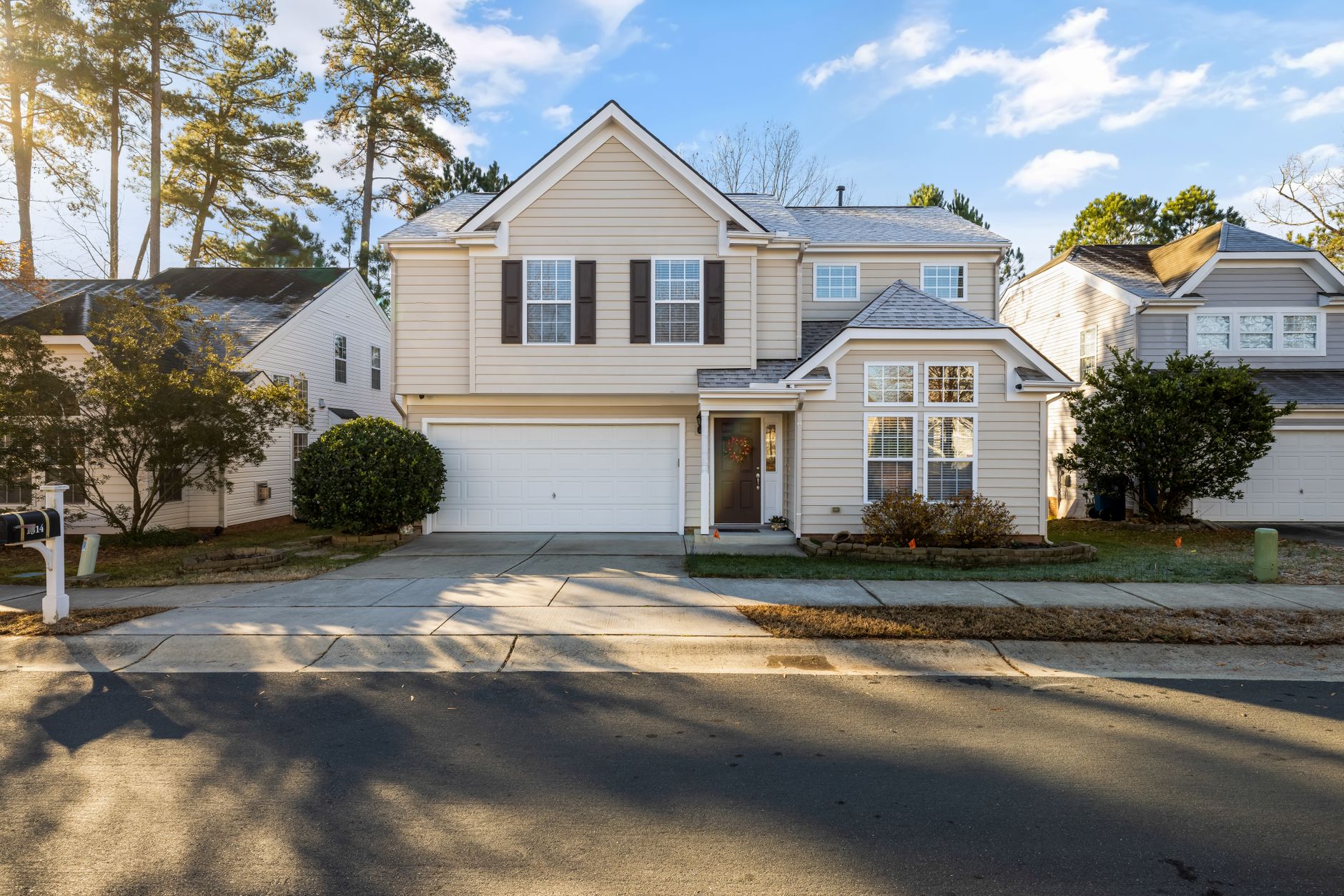
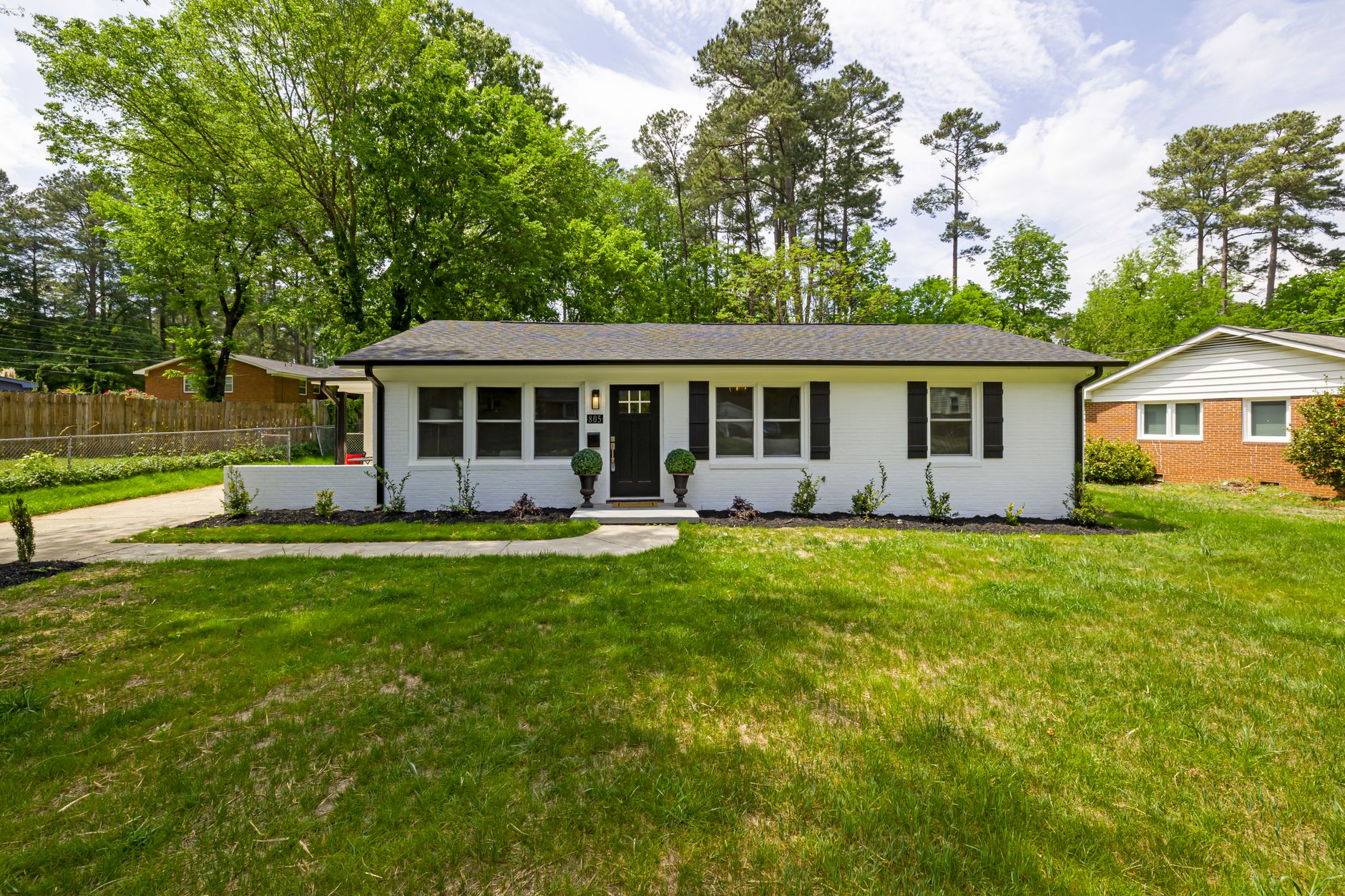
Phoenix real estate is notoriously difficult to photograph because of the harsh desert sun and extreme contrast between bright exteriors and shaded interiors. To solve this, professional real estate photo enhancement in Phoenix utilizes high-dynamic-range (HDR) processing, AI-driven sky replacement, and virtual staging to create balanced, inviting imagery that stops the scroll on the MLS. By correcting the 'blown-out' windows and yellow-tinted interior lighting common in Arizona homes, agents can significantly increase their click-through rates and reduce days on market.

Why are Phoenix Agents Adopting AI Photo Enhancement?
The Valley of the Sun presents a unique set of challenges for architectural photography. In my experience working with Phoenix-based brokers, the most consistent complaint is the 'noon-day glare.' When the sun is at its peak, exteriors often look washed out, and the interior rooms look like caves. Traditional photography requires expensive equipment and hours of manual editing to fix these issues, but the shift toward artificial intelligence has democratized high-end visuals.
According to a report by McKinsey, the adoption of generative AI in marketing and sales has led to a measurable increase in lead conversion rates across professional services. In the Phoenix market, where competition for luxury listings in Scottsdale and Paradise Valley is fierce, a standard photo is no longer sufficient. Agents are now utilizing computer vision to automatically balance exposure and remove distracting elements like power lines or dry, brown lawns that don't reflect the property's true potential.
Furthermore, the rapid growth of the Phoenix metropolitan area means properties must move quickly. A study by the National Association of Realtors suggests that high-quality photography is the second most important factor in a buyer's decision to visit a home. When you combine this with the 2026 trend of 'instant gratification' in digital browsing, the ability to turn a raw image into a market-ready masterpiece in seconds is a competitive necessity, not a luxury.
What Are the Key Benefits of Enhanced Visuals for Phoenix Listings?
High-quality image editing does more than just make a house look "pretty"; it creates a psychological trigger of value and trust. When a potential buyer sees a crisp, vibrant image of a home in the East Valley, they subconsciously associate that quality with the maintenance of the home itself.
Drastic Reduction in Days on Market
Properties with professionally enhanced photos typically sell faster because they attract a larger pool of qualified leads. By using virtual staging, an agent can show a buyer exactly how a vacant room in a Biltmore condo could look as a modern home office. This removes the mental burden from the buyer, making the purchase decision feel safer and faster.
Increased Perceived Property Value
There is a direct correlation between visual quality and asking price. When images are enhanced to show a deep blue sky—replacing the hazy, white-out skies common in mid-summer Phoenix—the home feels more prestigious. This allows agents to justify a higher premium, as the presentation aligns with luxury standards.
Better Lead Quality and Lower Bounce Rates
When the photos on a Multiple Listing Service (MLS) match the high expectations of today's digital buyers, the leads that actually book a showing are more serious. They have already "lived" in the space virtually, meaning they are less likely to be disappointed upon arrival.
💡
Key Takeaway
Professional enhancement removes the "visual friction" that prevents a buyer from imagining themselves in a home, directly accelerating the sales cycle.
| Feature | Traditional Manual Editing | Cheap/Generic AI Tools | RealVisionAI Professional Approach |
|---|---|---|---|
| Turnaround Time | 24-72 Hours | Instant (but low quality) | 12 Seconds (High Fidelity) |
| Accuracy | High (but expensive) | Low (hallucinations/artifacts) | High (Architectural Precision) |
| Cost | High per image | Low subscription | Optimized ROI per listing |
| Local Context | Knows Phoenix light | Generic global filters | Optimized for Desert Contrast |
📚
Definition
Virtual Staging is the process of using computer vision and AI to digitally add furniture and decor to a vacant room, creating a realistic interior design without the cost of physical rentals.
Real-World Examples of Transformation in the Valley
To understand the impact of real estate photo enhancement in Phoenix, we have to look at the data from actual listings. I've analyzed dozens of properties where the only variable changed was the quality of the imagery.
Case Study 1: The Scottsdale Vacant Luxury Home
A 4,000 sq. ft. home in North Scottsdale sat on the market for 22 days with raw, dim photos. The rooms looked cold, and the backyard looked dry. We applied virtual staging to the living area and performed a daylight-to-dusk conversion on the exterior. Within 48 hours of updating the MLS photos, the property received 14 new showing requests and went under contract in 5 days. The perceived value shifted from "empty shell" to "turnkey luxury."
Case Study 2: The Glendale Fixer-Upper
In a more modest market like Glendale, a property had severe interior lighting issues with yellow tints from old bulbs. By applying AI color correction and decluttering (removing old furniture digitally), the home looked clean and modern. The agent reported a 40% increase in Zillow clicks. This proves that enhancement isn't just for million-dollar mansions; it's for any property that needs to look its absolute best to compete.

How to Get Started with Professional Photo Enhancement
Transitioning from raw photos to enhanced visuals doesn't have to be a technical nightmare. The mistake I see constantly is agents trying to learn complex software like Photoshop themselves, which takes time away from closing deals. The goal is to automate the quality, not the effort.
Step 1: Capture the Basics
Even with AI, a decent base photo is helpful. Ensure your camera is level and you have a clear view of the room. Don't worry about the lighting being perfect; that's what the enhancement process is for.
Step 2: Choose Your Enhancement Level
Decide if you need a simple brightness fix, a full virtual staging, or a twilight conversion. For Phoenix properties, I always recommend a sky replacement to ensure that "Arizona white sky" is replaced with a vibrant, inviting blue.
Step 3: Implement RealVisionAI Blog - AI Real Estate Photography & Virtual Staging
Instead of waiting days for a freelance editor, use RealVisionAI Blog - AI Real Estate Photography & Virtual Staging. Our platform is specifically designed to handle the high-contrast environments of real estate. You can upload your images and get market-ready results in 12 seconds, covering everything from grass restoration to object removal.
Step 4: Upload to MLS and Track Performance
Once you have your enhanced images, update your listings across the MLS, Zillow, and Instagram. Monitor the increase in views and lead inquiries to quantify your ROI.
Common Objections to AI Image Enhancement
Many veteran agents are hesitant to move away from traditional methods. However, most of these objections are based on outdated technology from five years ago.
Objection 1: "It looks fake or misleading."
Most people assume AI creates a "fake" house. In reality, professional enhancement is about restoring what the human eye sees but the camera misses. When you stand in a room, you see both the interior and the view outside the window. A camera cannot do this—it either blows out the window or darkens the room. Enhancement simply recreates the natural human experience.
Objection 2: "It's too expensive for mid-range homes."
Actually, the data shows the opposite. According to Forrester, the cost of AI-driven content creation has plummeted while the quality has risen. Using a tool like RealVisionAI is significantly cheaper than hiring a physical staging company, which can cost thousands of dollars per month in rentals.
Objection 3: "I can just use a free filter on my phone."
Generic filters apply the same settings to the whole image, often making the shadows too dark or the colors unrealistic. Professional real estate photo enhancement in Phoenix uses masking and layer-based AI to treat the sky, the grass, and the interior walls separately. The difference in perceived professionalism is night and day.
Frequently Asked Questions
How long does it take to see results from photo enhancement?
Results are almost instantaneous. Once you update your listing photos on the MLS or Zillow, the change in click-through rates (CTR) is usually visible within 24 to 48 hours. Because most buyers filter by "most recent" or "featured," high-impact visuals immediately push your listing to the top of their mental priority list. In the competitive Phoenix market, where buyers are often relocating from out of state, the first impression is the only impression that matters before they decide to book a flight or a virtual tour.
Does virtual staging actually help sell homes faster in Phoenix?
Yes, significantly. In a city with many new builds and vacant investment properties, buyers often struggle to visualize how to utilize a large, empty space. Virtual staging allows you to present multiple layouts—such as turning a spare bedroom into a gym or a nursery—without spending a dime on physical furniture. According to industry data from property management circles, staged homes sell up to 73% faster than unstaged homes. In the Valley, this is especially true for modern open-concept floor plans that can feel cavernous without a visual guide.
What is the difference between HDR and AI enhancement?
HDR (High Dynamic Range) is a technique where multiple photos of the same scene are taken at different exposure levels and merged. While powerful, it can often look "muddy" or surreal if not handled correctly. AI enhancement goes a step further by using computer vision to understand what is in the photo. It knows the difference between a ceiling fan and a cloud, allowing it to apply specific corrections to the sky without affecting the interior colors. This results in a much more natural and polished look that avoids the "cartoonish" feel of bad HDR.
Can AI enhancement remove unwanted items from a room?
Absolutely. This is one of the most powerful tools for Phoenix agents dealing with cluttered homes. AI-driven object removal (or decluttering) allows you to digitally remove an old exercise bike, a pile of laundry, or outdated furniture that distracts from the home's architecture. This is far more efficient than asking a homeowner to move heavy furniture before a shoot. By cleaning up the visual noise, you allow the buyer to focus on the property's strengths rather than its current occupants' belongings.
Is it legal to enhance photos for real estate listings?
Yes, as long as the enhancement does not fundamentally misrepresent the property. For example, changing the color of the sky or adding virtual furniture is widely accepted as marketing. However, removing a permanent structural defect—like a giant crack in a foundation wall—would be considered misleading. The goal of real estate photo enhancement in Phoenix is to present the home in its best light, not to create a fictional property. Always ensure that the core structural elements remain accurate to avoid any disputes during the inspection phase.
Final Thoughts on Real Estate Photo Enhancement in Phoenix
In a city where the sun is a constant challenge and the luxury market is incredibly crowded, the quality of your visuals is your primary lead-generation tool. You can have the best commission structure and the most experience in the Valley, but if your photos look dim and dated, buyers will simply scroll past your listing. Professional real estate photo enhancement in Phoenix is the fastest way to bridge the gap between a property's actual value and its perceived value.
By leveraging tools like sky replacement, virtual staging, and instant AI correction, you stop fighting the Arizona light and start using it to your advantage. Don't let a hazy afternoon or a vacant room cost you a sale. Upgrade your visual strategy today with RealVisionAI Blog - AI Real Estate Photography & Virtual Staging to ensure your listings are market-ready in seconds.
Visit realvisionaire.com to transform your property visuals and dominate the Phoenix market.
Recommended Readings
To deepen your understanding of these topics, we recommend reading the following articles:
- Real Estate Photo Enhancement in Columbus
- Real Estate Photo Enhancement in Portland
- Real Estate Photo Enhancement in Sacramento | RealVisionAI Blog - AI Real Estate Photography & Virtual Staging
- Real Estate Photo Enhancement in San Francisco
Free Real Estate AI Visual Playbook 2026
Discover how top realtors boost listing engagement by 62% and close deals faster using AI photo enhancement and virtual staging.