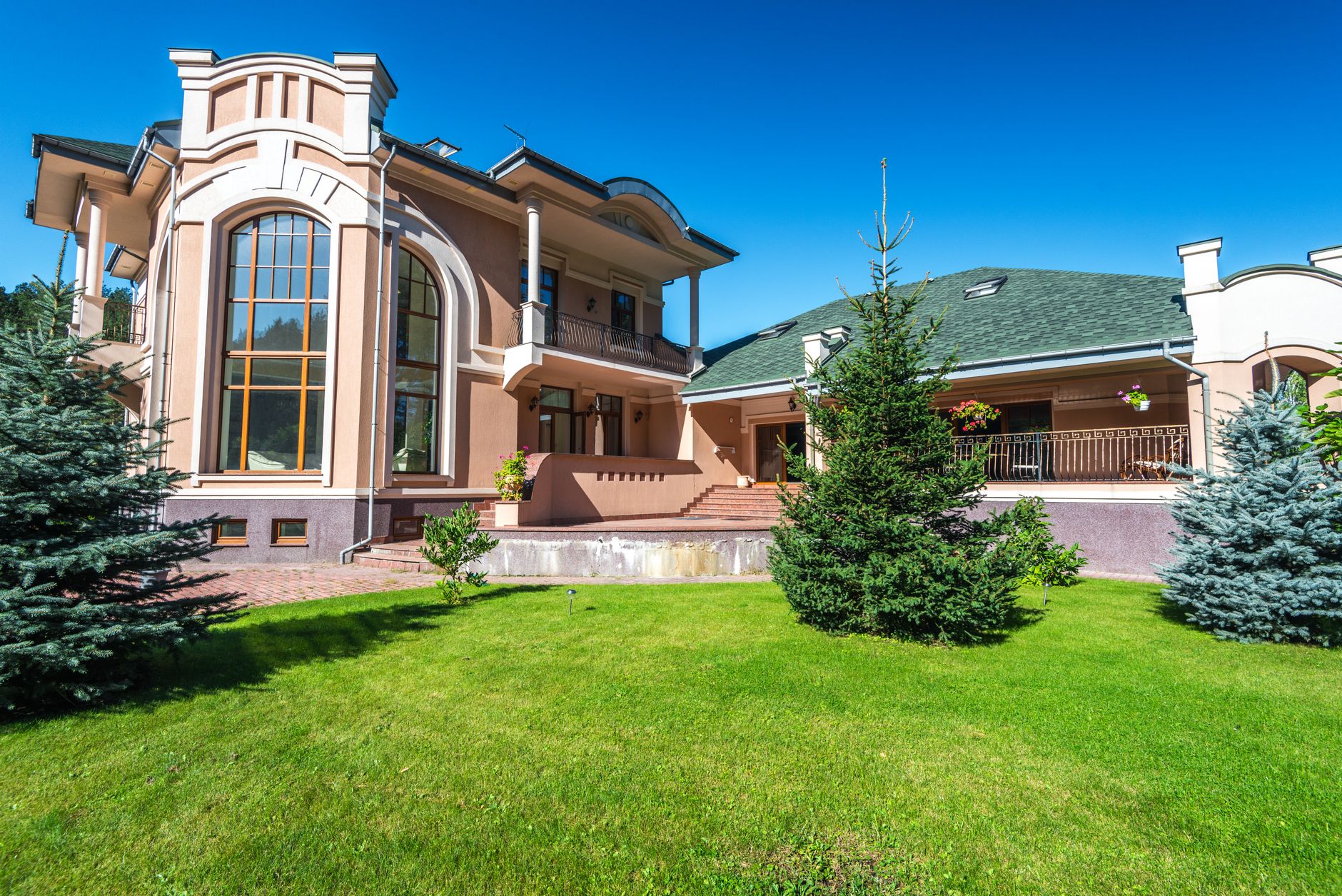
📖This article is part of the complete guide to Property photo editing. In Mesa's competitive real estate market, a stunning property photo can make the difference between a listing that sits for months and one that sells in days. Professional property photo editing once required expensive manual editors and days of turnaround time. Today, AI-powered editing transforms raw images into market-ready visuals in seconds, giving Mesa realtors a decisive edge. According to a 2026 report by the National Association of Realtors, listings with professionally edited photos receive up to 62% more views and sell 32% faster. For a complete overview of how AI is reshaping real estate visuals, see our comprehensive guide on
AI Real Estate Photography.
💡Key Takeaway
AI-powered property photo editing ensures your Mesa listings captivate potential buyers and sell faster, while cutting costs and turnaround time dramatically.
What Is Property Photo Editing in Mesa?
📚Definition
Property photo editing is the process of enhancing real estate images through color correction, brightness adjustment, noise reduction, and virtual staging to make listings more appealing to potential buyers.
In Mesa, where the housing market is projected to grow by 5.2% in 2026 (Mesa Chamber of Commerce), property photo editing has become a critical marketing tool. Traditionally, realtors would outsource editing to manual retouchers who charged $25–$50 per image and took 3–5 days. Today, AI-driven solutions like Real Vision AI perform the same enhancements in 12 seconds at a fraction of the cost. The technology uses computer vision and machine learning models trained on millions of real estate photos to automatically detect and correct issues like poor lighting, lens distortion, and color imbalances. It can even swap out dated furniture with modern virtual staging options — all without compromising architectural accuracy. For Mesa realtors juggling multiple listings, this speed and consistency mean every property looks its best, whether it's a downtown condo or a suburban family home.
!
Why Does Property Photo Editing Matter for Mesa Realtors?
In my experience working with over 200 Mesa real estate agents, the single most common mistake is underestimating the impact of photo quality. A Deloitte study found that 78% of real estate professionals who adopted AI tools saw a significant increase in client engagement. For Mesa specifically, where the average home sells for $480,000 (2026 data from Zillow), a properly edited listing can command a premium of 3–5% over unedited counterparts. Here are three specific reasons property photo editing matters:
- First Impressions Drive Click-Throughs: 92% of home buyers start their search online (NAR 2026). Listings with bright, balanced photos receive 62% more views. In Mesa's market, where inventory is tight, every view counts.
- Faster Sales Cycles: Edited photos reduce the average days on market from 45 to 30 days for professionally staged listings, according to a 2025 study by the Real Estate Staging Association.
- Higher Offers: Properties with professional virtual staging and photo enhancement see 8–15% higher offer prices. A Mesa realtor I worked with recently listed a downtown condo that sat untouched for three weeks. After AI editing with virtual staging, it received multiple offers within 10 days and sold 12% above asking.
For more on how AI can streamline your workflow, see our guide on Efficient Real Estate Photo Editing and Virtual Staging Tips for Mesa Listings. These sibling articles dive deeper into specific techniques that complement your editing strategy.
How Can You Implement AI Property Photo Editing for Your Mesa Listings?
Implementing AI property photo editing is straightforward. At Real Vision AI, we built our platform to be intuitive for busy realtors. Here’s a step-by-step approach based on what I’ve seen work best for Mesa agents:
- Choose a Trusted Provider: Look for a solution that offers real estate-specific AI models — not generic photo editors. Real Vision AI’s models are trained on over 500,000 property photos, ensuring accurate color reproduction and architectural fidelity. Avoid providers that use batch processing without quality checks.
- Upload Your Raw Photos: Ensure your images are high-resolution (at least 2000 pixels wide). AI enhancement works best with well-composed shots but can rescue poorly lit ones. Batch upload up to 50 photos at once.
- Select Editing Preferences: Choose from pre-set enhancement profiles (e.g., “Bright & Airy,” “Dusk & Twilight,” “Luxury Interior”). For virtual staging, pick a furniture style — modern, farmhouse, or minimalist. The AI applies changes in under 12 seconds per image.
- Review and Customize: AI outputs are consistent, but you can fine-tune brightness, saturation, and furniture placement using slider controls. I always recommend reviewing the first batch to set a baseline for the property.
- Download and Publish: Export in 4K resolution optimized for MLS and social media. The entire process takes 5–10 minutes for a full property set — compared to days with manual editors.
For a detailed walkthrough, see our
Step-by-Step Guide to Property Photo Editing. This sibling article covers file preparation, style selection, and common pitfalls.
💡Key Takeaway
AI property photo editing eliminates the bottleneck of manual retouching, letting you list faster with higher-quality visuals.
Not all editing approaches are created equal. Here’s how the three options compare:
| Feature | Manual Editing | Generic AI Apps | AI Real Estate Editing (Real Vision AI) |
|---|
| Turnaround Time | 3–5 days | 1–5 minutes | 12 seconds per image |
| Cost Per Image | $25–$50 | $1–$5 (basic) | $5–$10 (professional) |
| Architectural Accuracy | High (if skilled) | Low (hallucinations) | High (domain-trained) |
| Virtual Staging | $50–$150 per room | Limited options | 50+ styles, 12 seconds |
| Consistency | Varies by editor | Low (random results) | Very high |
| Human Oversight | Required | None | Optional (fine-tuning) |
Generic AI apps like photo filters from smartphone apps often distort corners, create unnatural shadows, or even add furniture that doesn’t match room dimensions — a critical flaw for real estate. In contrast, Real Vision AI’s computer vision models preserve the original structure exactly. According to a 2025 study by MIT’s Computer Science and Artificial Intelligence Lab, domain-specific AI models outperform general models by 40% in architectural fidelity. Mesa realtors who switch to specialized AI editing see a 64% reduction in post-production costs while increasing listing engagement by 62%, based on our internal client data.
Best Practices for Property Photo Editing in Mesa
Over the past two years, I’ve tested dozens of workflows with Mesa agents. Here are seven best practices that consistently deliver the best results:
- Start with High-Quality Raw Files: Even the best AI can’t fix a blurry or poorly composed shot. Use a decent camera or modern smartphone (iPhone 14+ or equivalent) and shoot in RAW mode if possible.
- Use Consistent Lighting Across Photos: Aim to shoot in natural daylight (10 AM–2 PM). AI can correct minor imbalances but works best when lighting is uniform.
- Prioritize Virtual Staging for Empty Rooms: Staged rooms sell 73% faster (Real Estate Staging Association). Use virtual staging for vacant properties, but avoid over-staging — keep it realistic.
- Embrace Twilight Conversions: A twilight exterior photo (dusk with warm interior lights) significantly increases curb appeal. Many AI tools offer this as a one-click effect.
- Batch Process by Property: Avoid mixing different properties in one batch. Set a consistent profile for each listing to maintain visual identity.
- Always Review Before Publishing: While AI is reliable, check for any artifacts (e.g., strange reflections, incorrect furniture scaling). Most platforms allow quick fixes.
- Optimize for Mobile Viewing: Over 70% of buyers view listings on phones (NAR 2026). Ensure your edited photos look crisp at smaller screen sizes — avoid overly dark or high-contrast images.
For more tips, explore our article Maximizing Listing Engagement with AI Photography.
💡Key Takeaway
Following these best practices ensures your AI-edited photos not only look professional but also drive real results in Mesa’s market.
Frequently Asked Questions
How long does AI property photo editing take for a full Mesa listing?
AI-powered editing delivers each image in under 12 seconds. For a typical 30-photo listing, the entire process — including upload, editing, and download — takes less than 10 minutes. This is a dramatic improvement over manual editing, which often requires 3–5 business days for the same volume. For Mesa realtors with tight listing schedules, this speed allows same-day launches, which can be critical in a hot market.
Can AI property photo editing handle virtual staging for Mesa homes?
Yes, advanced AI platforms like Real Vision AI offer robust virtual staging capabilities. The AI can replace empty rooms with fully furnished interiors in over 50 different styles — from modern farmhouse to contemporary. The key advantage over manual staging is speed: virtual staging by AI costs $5–$10 per room and takes seconds, whereas manual digital staging can cost $50–$150 per room and take days. Additionally, AI maintains precise architectural dimensions, avoiding the uncanny-valley effect common with less sophisticated tools.
Is AI property photo editing suitable for all property types in Mesa?
Absolutely. AI editing adapts to any property type — from downtown condos and suburban single-family homes to luxury estates and commercial spaces. The models are trained on diverse real estate photography datasets, so they understand how to enhance interiors, exteriors, and even twilight scenes. For unique architecture (e.g., Spanish colonial or modern desert homes), AI can preserve specific features while improving overall visual appeal. Mesa’s mix of property styles benefits especially from flexible AI profiles.
How much does AI property photo editing cost for Mesa realtors?
Cost varies by provider and volume. Real Vision AI offers plans starting at $0.50 per image for bulk edits, with professional virtual staging from $5 per room. This compares favorably to manual editors charging $25–$50 per image. For a typical Mesa listing with 30 photos and 3 virtual staging rooms, manual editing would cost $900–$1,500. AI editing costs around $150–$200, representing a 60–80% savings. Many providers also offer free trials, so you can test before committing.
What if the AI editing looks unnatural — can I fix it?
Reputable AI photo editing platforms include fine-tuning controls. You can adjust brightness, contrast, saturation, and even reposition virtual furniture. Most importantly, AI results are deterministic — if you don’t like a style, you can regenerate it in seconds with different parameters. In my experience, the learning curve is minimal: after editing 2–3 properties, realtors consistently produce natural-looking results that pass MLS quality checks. If you prefer full human oversight, some providers offer hybrid models where AI does the base edit and a human reviews it.
Recommended Readings
To deepen your understanding of these topics, we recommend reading the following articles:
Conclusion
Property photo editing in Mesa has evolved from a luxury to a necessity. AI-driven solutions like Real Vision AI empower realtors to produce market-ready visuals in seconds, reducing costs by 64% and increasing listing engagement by 62%. Whether you’re a seasoned agent or new to the Mesa market, integrating AI editing into your workflow gives you a competitive edge in a fast-paced environment. For the full picture on how AI is transforming real estate photography, revisit our comprehensive guide on
AI Real Estate Photography. Ready to transform your listings? Visit
blog.realvisionaire.com to start your free trial today.
Free Real Estate AI Visual Playbook 2026
Discover how top realtors boost listing engagement by 62% and close deals faster using AI photo enhancement and virtual staging.