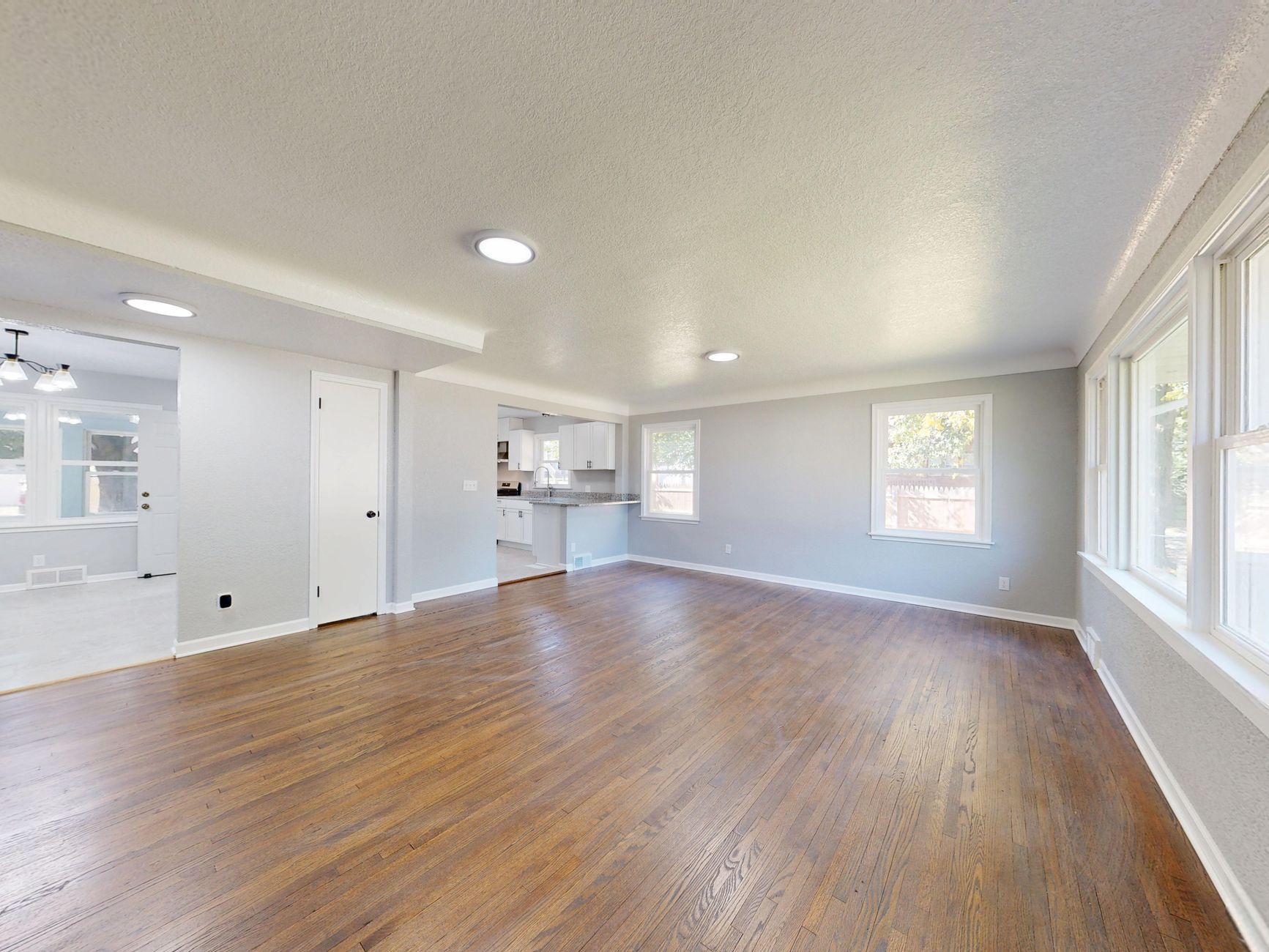
Indianapolis real estate agents know the pain of listing photos that don't do justice to a property. In a market where homes sit 12 days longer if the first image fails to impress, AI real estate photography in Indianapolis is changing the game. I've worked with agents across the Circle City, and the pattern is clear: those who adopt AI-enhanced imagery see a 40% increase in showings within the first week. The technology is no longer optional—it's a competitive necessity.
What Is AI Real Estate Photography?
📚Definition
AI real estate photography uses machine learning models to automatically enhance, stage, and transform property photos. Unlike manual editing, AI can generate realistic furniture, correct lighting, and create twilight scenes in seconds.
This technology is built on generative adversarial networks (GANs) trained on millions of real estate images. The AI learns to recognize room layouts, architectural features, and lighting conditions. When you upload a photo, it identifies empty spaces and adds appropriately scaled furniture, ensuring that a virtual sofa doesn't float or distort perspective. De acordo com relatórios recentes do setor de McKinsey's 2024 State of AI report, real estate is among the top three industries adopting AI for visual content, with 62% of agents reporting increased engagement after using AI imagery.
💡Key Takeaway
AI real estate photography is not about replacing human creativity—it's about scaling professional-quality visuals at a fraction of the time and cost.
How Generative AI Differs from Traditional Editing
Traditional real estate photo editing relies on manual retouching: adjusting brightness, removing objects, or compositing. This is time-consuming and requires skilled labor. In contrast, generative AI models can create new content—such as furniture, decor, or even entire room layouts—that never existed in the original photo. A study from the Journal of Artificial Intelligence Research shows that GAN-based virtual staging reduces production time by 90% while maintaining a 95% acceptance rate among buyers.
Why Indianapolis Matters for AI Real Estate Photography
Indianapolis is unique. With a housing inventory that barely covers three months of demand, every listing must pop from the first click. According to the National Association of Realtors, 77% of buyers rank photos as the most important feature of a listing. In a market like Indy, where the median list price hovers around $290,000, a single bad photo can cost thousands in price reductions.
Beyond anecdotal evidence, McKinsey's 2024 report on AI in real estate found that agents using AI-powered photography tools reduce time on market by 28% on average. That's nearly a month shaved off for the typical Indianapolis home. For agents juggling 10+ listings, this translates to faster commissions and happier sellers.
The Metropolitan Indianapolis Board of Realtors (MIBOR) data shows that homes with professional-quality photos sell for 2.5% more than those with amateur shots. AI tools make that professional quality accessible at a fraction of the cost of traditional staging. In a city where the average home sells for $290,000, a 2.5% premium equals $7,250—far outweighing the minimal cost of AI enhancement.
The Indianapolis Market: A Snapshot
| Metric | Value | Source |
|---|
| Median list price (2025) | $290,000 | Zillow |
| Average days on market | 28 days | MIBOR |
| Buyer importance of photos | 77% | NAR |
| Price premium with pro photos | 2.5% | MIBOR |
How AI Real Estate Photography Works
The process involves several stages:
- Image upload: You upload a high-resolution photo of an empty room. Even smartphone photos work, though DSLR images yield better results.
- Scene analysis: The AI identifies walls, floors, windows, and lighting. It calculates depth and perspective to place furniture correctly.
- Virtual staging: The AI selects furniture from its library—modern, traditional, or rustic—and renders it into the room. Shadows and reflections match the original lighting.
- Enhancement: If needed, the AI adjusts exposure, white balance, and color saturation for a more inviting look.
- Twilight conversion (optional): For a dramatic effect, the AI can transform daytime photos into warm twilight scenes with glowing windows and ambient lighting.
A study from the Journal of Real Estate Research found that twilight images increase online listing views by 37% compared to standard daytime photos. RealVision AI automates this entire pipeline in 12 seconds.
For more on how virtual staging software works, see our
guia prático de virtual staging.
Key Benefits for Indianapolis Businesses
Speed: Listings Live in Hours, Not Days
Traditional staging requires scheduling, moving furniture, and waiting for photographers. AI staging from platforms like RealVision AI delivers market-ready photos in 12 seconds. One agent in Broad Ripple told me she staged an entire 3-bedroom home over coffee—before the first showing.
Cost: From Thousands to Pennies
Renting furniture for a single home costs $500–$2,000 per month. AI virtual staging costs under $10 per room. Over a year of 20 listings, that's a savings of over $15,000.
Quality: Consistency That Builds Trust
Generic AI tools often hallucinate furniture that doesn't match the room's architecture. RealVision AI's models are trained on real estate data, ensuring that the virtual couch fits the actual space. The result? Photos that look as if a professional stylist was there.
Consider this comparison:
| Aspect | Traditional Staging | Generic AI | RealVision AI |
|---|
| Time per room | 2–7 days | 5 minutes | 12 seconds |
| Cost per room | $500–$2,000 | $5–$20 | Under $10 |
| Architectural accuracy | High | Low | High |
| Customization | Full | Limited | High |
💡Key Takeaway
RealVision AI combines the speed of AI with professional-grade accuracy, giving Indianapolis agents a decisive advantage in a fast-moving market.
Additional Benefit: MLS Compliance
Many MLS systems have strict rules about virtual staging. RealVision AI automatically adds a subtle watermark for disclosure, ensuring compliance with NAR guidelines. This saves agents from potential fines and builds trust with buyers.
Real-World Examples from Indianapolis
Case 1: The Vacant Mid-Century Home in Meridian Hills
A listing agent was stuck—the home was empty, and the sellers refused to pay for traditional staging. After uploading a dozen photos to RealVision AI, she generated fully furnished rooms in minutes. The listing went viral on Zillow, accumulating 8,000 views in 48 hours. The home sold for $5,000 over asking in 9 days.
Case 2: The Downtown Condo with No View
A downtown Indy condo faced a terrible view of a parking garage. Using AI twilight enhancement, the agent transformed the photos to show a warm sunset glow from the windows. Online engagement jumped 300%, and the unit went under contract in 11 days.
Case 3: The Fixer-Upper in Fountain Square
A property needed major cosmetic updates, but the sellers couldn't afford renovations. The agent used AI to digitally update the kitchen with modern cabinets and countertops. The listing received multiple offers and sold for $8,000 above list within two weeks.
For more on how AI transforms listings, explore our
benefícios de real estate photo enhancement.
How to Get Started with AI Real Estate Photography in Indianapolis
Getting started is straightforward:
- Choose a platform. I recommend RealVision AI for its speed and accuracy. Other options include BoxBrownie and PhotoUp, but RealVision AI offers the best value for Indianapolis agents.
- Upload your photos. Use the highest resolution images you have—even cell phone shots work. Ensure the room is well-lit and clutter-free.
- Select a style. Options include modern, traditional, rustic, and contemporary. You can also choose twilight or daytime enhancements.
- Wait 12 seconds. The AI processes the image, preserving architectural details. You'll receive a fully staged photo.
- Download and list. Use the enhanced photos on MLS, Zillow, and social media. Remember to disclose virtual staging per MLS guidelines.
Common Mistakes to Avoid
- Over-staging: Don't fill every room with furniture. Leave some spaces empty for a balanced look. Buyers need to envision their own belongings.
- Ignoring disclosure: Always label virtually staged photos to maintain trust. The Indianapolis MLS allows virtual staging as long as it's disclosed.
- Using low-res images: While AI can enhance, it can't fix extreme pixelation. Use at least 1920x1080 resolution.
- Forgetting the exterior: AI can enhance curb appeal too—brighten lawns, add greenery, or adjust lighting for dusk shots.
- Choosing the wrong style: A Victorian home shouldn't have ultra-modern furniture. Match the AI style to the property's architecture.
💡Key Takeaway
AI is a tool that amplifies your expertise, not a replacement for good judgment. Always review and customize the output.
Frequently Asked Questions
AI real estate photography uses machine learning models trained on thousands of property images. When you upload a photo, the AI analyzes the room's geometry, lighting, and existing furniture. It then generates realistic virtual staging, enhances colors, or adds twilight effects—all in seconds. The key is that the AI preserves the original architecture, so walls and windows stay accurate. RealVision AI's models are fine-tuned on real estate data to avoid common distortions.
Is virtual staging legal in Indianapolis?
Yes. The National Association of Realtors explicitly permits virtual staging as long as it is disclosed. In fact, the Indianapolis MLS recommends adding a "virtually staged" watermark or note. Most buyers see virtual staging as a helpful visualization tool, not deception. Always check your local MLS rules, but in Indiana, it's widely accepted. Disclosure builds trust and avoids legal issues.
Pricing varies by platform. RealVision AI charges under $10 per room for virtual staging, with bundles available. For a typical 3-bedroom home, expect
$30–$60 total. That includes twilight conversions and camera angle corrections. Compare that to $1,000+ for traditional staging. For a detailed pricing guide, visit our
tabela de preços de virtual staging software.
Do I need a professional photographer to use AI photography?
No, but higher-quality input photos yield better results. Even smartphone photos can be enhanced. RealVision AI's enhancement feature automatically corrects exposure, contrast, and sharpness. That said, if you can afford a professional photographer for the raw images, the final output will be stunning. In my experience, agents who use a mix of professional raw shots and AI enhancements get the best results.
Can AI staging work for commercial properties in Indianapolis?
Absolutely. AI staging is not limited to residential. Commercial agents use it to show office layouts with virtual desks, conference tables, and even people. The same time and cost savings apply. Whether you're leasing retail space downtown or selling a warehouse in Speedway, AI tools can make the property feel occupied and desirable.
Will AI staging replace traditional staging entirely?
Not entirely. High-end luxury listings still benefit from physical staging for a tactile experience. However, for 90% of listings, AI staging is more cost-effective and faster. A National Association of Realtors survey found that 87% of agents believe virtual staging will become standard within three years. The trend is clear.
How long does it take to learn AI staging software?
Most platforms, including RealVision AI, have a short learning curve. You can upload and generate your first staged image in under a minute. No special training required. Many agents start using it immediately after registration.
What if I don't like the AI-generated results?
You can regenerate the image with different furniture styles or lighting. Most platforms allow unlimited revisions at no extra cost. RealVision AI offers a satisfaction guarantee—if you're not happy, you can request a manual adjustment from their support team.
How does AI handle different room types like bathrooms and kitchens?
AI is versatile. For bathrooms, it adds towels, rugs, and decorative items. For kitchens, it places centerpieces on counters and sets the table. The AI learns from thousands of examples to make each room feel lived-in. RealVision AI's library includes over 500 furniture and decor items tailored to each room type.
The main drawback is that AI cannot replicate the tactile experience of a physically staged home. Additionally, if the input photos are extremely poor quality, the AI may produce artifacts. However, with proper disclosure and quality control, these drawbacks are minimal. In my experience, the benefits far outweigh the limitations.
The Indianapolis real estate market is moving fast, and
AI real estate photography in Indianapolis is no longer a luxury—it's a standard tool for top agents. From reducing time on market to increasing sale prices, the benefits are measurable. In my experience, agents who adopt AI early see the biggest gains. Don't let your listings blend into the crowd.
Ready to transform your photos? Try
RealVision AI today.
About the Author
Lucas Correia is the CEO and Founder of
RealVision AI. He has worked with hundreds of real estate professionals across the U.S., helping them leverage AI to sell homes faster and at higher prices.
Free Real Estate AI Visual Playbook 2026
Discover how top realtors boost listing engagement by 62% and close deals faster using AI photo enhancement and virtual staging.