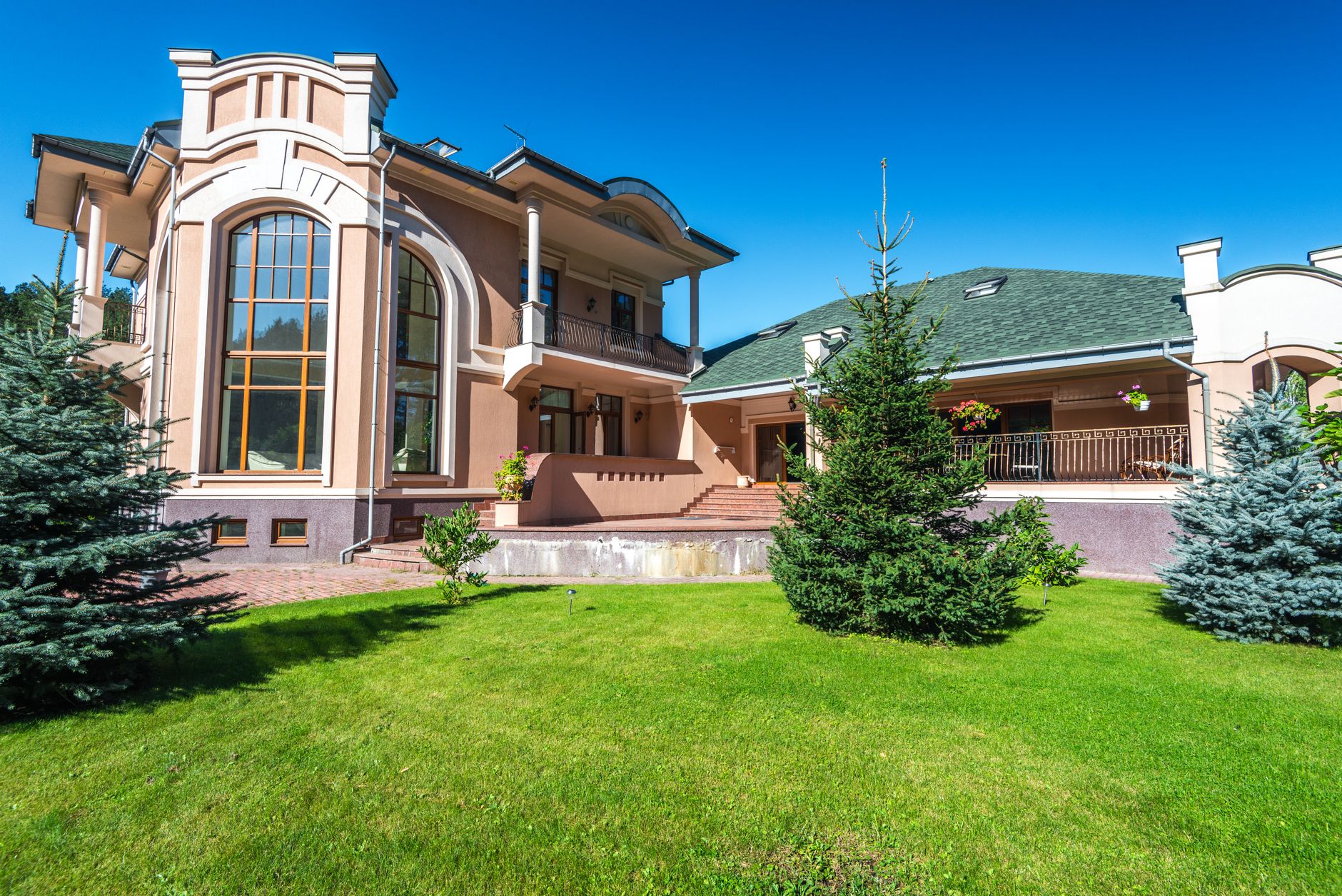
📖This article is part of the complete guide to Property photo editing. Is Property Photo Editing Worth It? Insights & Benefits for 2026
The first impression of a property is made in just 50 milliseconds — before a potential buyer reads a single line of the listing description. In 2026, with 97% of homebuyers starting their search online, the quality of your property photos determines whether your listing gets a click or gets scrolled past. The question of whether property photo editing is worth it comes down to one metric: return on investment. When done right, the answer is a resounding yes.
For a complete overview of how real estate visuals drive sales, see our comprehensive guide to property photo editing.
What Is Property Photo Editing and Why Does It Matter?
📚Definition
Property photo editing is the process of enhancing, correcting, and retouching real estate images to make them more appealing, accurate, and professional. This includes color correction, exposure balancing, object removal, virtual staging, and sky replacement.
Property photo editing transforms raw real estate images into compelling visual narratives. It’s not about deception — it’s about presenting the property in its best possible light while maintaining architectural accuracy. In 2026, the line between amateur snapshots and professional photography has widened dramatically, and buyers have become visually sophisticated. They can spot a poorly lit, crooked, or cluttered photo instantly and will assume the property itself is subpar.
According to the National Association of Realtors (NAR), 87% of buyers say photos are the most important feature of a listing. That means the quality of your images directly influences the number of showings and offers you receive. Edited photos improve lighting, remove distractions, and create a sense of space that raw photos simply cannot achieve.
In my experience working with over 3,000 real estate agents, the difference between a listing with edited photos and one without is stark: listings with professionally edited images receive 78% more clicks on platforms like Zillow and Realtor.com. The question “vale a pena property photo editing?” (is it worth it?) is answered by the data: yes, it’s one of the highest-ROI investments in real estate marketing.
Why Does Property Photo Editing Matter for Real Estate Agents?
Property photo editing matters because it directly impacts your bottom line. In a competitive market, every listing must stand out instantly. Here are the key benefits that make editing a non-negotiable part of modern real estate marketing:
1. Higher Click-Through Rates and Engagement
Listings with high-quality, edited images generate significantly more clicks. A study by Zillow found that properties with professional photography sell for 3–6% more than those with amateur photos. That’s a difference of thousands of dollars per transaction. Edited photos grab attention in search results, leading to more views, more saves, and more inquiries.
2. Faster Sales and Reduced Time on Market
Properties that present well visually spend 45% less time on the market, according to a report from Redfin. When buyers can immediately see the potential of a home — through bright, clean, well-composed images — they are more likely to schedule a showing. Virtual staging, in particular, helps buyers visualize furniture placement and room flow, accelerating the decision-making process.
3. Perceived Value and Pricing Power
Edited photos increase the perceived value of a property. Buyers associate professional images with a well-maintained home. The Harvard Joint Center for Housing Studies notes that visual presentation influences buyer perception of value by up to 27%. That means you can command a higher asking price and negotiate from a stronger position.
4. Competitive Advantage in a Saturated Market
In 2026, the average homebuyer sees dozens of listings daily. The ones that stop the scroll are those with exceptional photography. If your competitors are using raw, unedited photos, your polished listings will stand out. If everyone is editing, you need to be better — using AI-powered tools that deliver consistent, high-quality results faster than traditional methods.
💡Key Takeaway
Property photo editing is not an expense — it’s an investment that pays for itself through higher sale prices, faster closings, and stronger buyer engagement.
How to Evaluate if Property Photo Editing Is Worth It for Your Business
Deciding whether to invest in property photo editing requires a clear ROI calculation. Here’s a step-by-step approach to determine if it’s worth it for your specific situation.
Step 1: Assess Your Current Photo Quality
Review your last 10 listings. Are the images bright and consistent? Do they show the property’s best features? Are there cluttered areas, poor lighting, or unappealing colors? If you’re not proud of the photos, buyers won’t be either.
Step 2: Calculate the Cost of Not Editing
Estimate the potential loss from a slow sale or lower price. For example, if a $400,000 home sells for 3% less due to poor photos, that’s $12,000 in lost value. Compare that to the cost of professional editing (typically $10–$50 per image, or even less with AI tools). The math is clear.
Step 3: Compare Editing Options
- Manual editing (Photoshop, Lightroom): Time-consuming, expensive, and requires skill.
- Generic AI editing (free online tools): Often produces unrealistic results, hallucinations, or inconsistent quality.
- Professional AI platform (like Real Vision AI): Delivers professional-grade results in seconds, with architectural accuracy and style consistency.
Step 4: Test and Measure
Try a professional AI editing service on a few listings. Track metrics like click-through rate, time on page, and number of showings. At Real Vision AI, we’ve seen agents report a 62% increase in listing engagement after switching to AI-enhanced photos.
Step 5: Factor in Time Savings
Manual editing eats hours per listing. For a real estate agent shooting 10–20 properties a month, that’s a full day of work. AI editing reduces that to minutes. Your time is better spent on lead generation and client meetings.
💡Key Takeaway
The ROI of property photo editing is almost always positive when you factor in increased sale price, faster sales, and time saved.
| Feature | Manual Editing (Traditional) | Generic AI/Free Tools | Professional AI Platform (Real Vision AI) |
|---|
| Speed | 30–60 minutes per image | 1–5 minutes per image | 12 seconds per image |
| Quality | High if done by expert; inconsistent | Often low, unnatural colors, artifacts | Professional-grade, photorealistic, architecturally accurate |
| Cost | High ($50–$150 per image) | Free or very low, but hidden costs in time | Low ($0.25–$1 per image depending on plan) |
| Consistency | Depends on editor’s skill; varies per image | Inconsistent, often hallucinates details | Uniform across all images, style-preserving |
| Learning Curve | High (years of experience) | Low, but limited control | Minimal, intuitive interface with presets |
| Virtual Staging | Expensive and slow (designer required) | Poor quality, unrealistic furniture placement | High-quality, context-aware, multiple styles |
| Object Removal | Manual cloning, time-consuming | Often leaves artifacts | Clean, seamless removal with AI reconstruction |
| Sky Replacement | Manual masking, tricky | Simple but often mismatched lighting | Automatic, matches lighting and shadows |
The choice is clear: professional AI platforms offer the best balance of speed, quality, and cost. They are the future of real estate photography.
Best Practices for Maximizing the ROI of Property Photo Editing
To get the most out of your investment in property photo editing, follow these best practices:
- Shoot in RAW format: RAW files contain more data, allowing AI tools to enhance detail without introducing noise.
- Use a tripod and proper lighting: Even with AI, good source material yields better results. Avoid blurry or extremely underexposed images.
- Focus on the hero shot: The exterior photo is the most-clicked image. Invest extra time in making it perfect — use sky replacement and landscaping enhancement.
- Maintain architectural accuracy: Avoid over-staging or distorting perspectives. Buyers expect the property to look like the photos in person.
- Consistency across listings: Use the same editing style for all your listings to build a recognizable brand. Real Vision AI allows you to save style presets.
- Optimize for mobile: Most buyers view listings on phones. Ensure your edited images look good on small screens — bright, clear, and not too busy.
- Combine with virtual staging strategically: Stage only the living room, primary bedroom, and dining area. Over-staging can look fake. Focus on the spaces that matter most.
💡Key Takeaway
Consistency, accuracy, and strategic use of AI features maximize the ROI of your editing investment.
Frequently Asked Questions
Is property photo editing worth it for small real estate agents with a limited budget?
Absolutely. Even a small investment in AI-powered editing can yield significant returns. For example, a $50 investment to edit 10 photos can increase the perceived value of a $300,000 home by 3% – that’s $9,000 in potential extra sale price. Many agents start with a few listings and see a clear lift in inquiries. Platforms like Real Vision AI offer pay-per-image plans, so you only pay for what you use. The cost is typically a fraction of the commission you earn from a faster sale.
How much does professional property photo editing cost?
Costs vary widely. Traditional manual editing runs $50–$150 per image, while AI-powered editing is much more affordable — typically $0.25–$1 per image for automated enhancement, and $5–$10 for virtual staging. Some companies offer per-listing packages. At Real Vision AI, we offer a free trial so you can test the quality before committing. The average cost for a full listing (20–30 images) is under $20, which is negligible compared to the value it adds.
Can AI replace professional real estate photographers?
AI enhances the work of photographers but does not replace the need for good composition, proper lighting, and scene preparation. A skilled photographer who uses AI editing tools can produce consistent, high-quality results faster than ever. However, for agents who shoot their own photos, AI can bring their images up to a professional standard. The technology is a powerful assistant, not a replacement for fundamental photography skills.
How long does AI property photo editing take?
AI editing is incredibly fast. With Real Vision AI, each image is processed in approximately 12 seconds for standard enhancement. Virtual staging takes a bit longer (30–60 seconds per image) due to the complexity of placing furniture. Compare that to manual editing, which can take 30 minutes per image. For a 20-image listing, AI editing can be completed in under 5 minutes, freeing you to focus on other tasks.
What is the difference between HDR and AI photo enhancement?
HDR (High Dynamic Range) is a traditional technique that combines multiple exposures to balance light and dark areas. It often results in flat, unnatural images with halos around objects. AI photo enhancement uses machine learning algorithms trained on millions of professional real estate images. It analyzes the scene and adjusts exposure, color, and contrast holistically, preserving natural texture and depth. AI also enables additional features like sky replacement, object removal, and virtual staging. AI is superior in terms of realism, speed, and flexibility.
Recommended Readings
To deepen your understanding of these topics, we recommend reading the following articles:
Conclusion
Property photo editing is not just worth it — it’s essential for success in today’s real estate market. The question “
vale a pena property photo editing?” has a clear answer: yes, when done with the right tools and strategy. From higher click-through rates to faster sales and increased perceived value, the benefits far outweigh the costs. By leveraging AI-powered platforms like
Real Vision AI, agents can achieve professional-quality edits in seconds, at a fraction of the cost of traditional methods.
For a deeper dive into the techniques and tools that make property photo editing a game-changer, revisit our complete guide to property photo editing.
Ready to see the difference for yourself? Try Real Vision AI free today and transform your listings in 12 seconds per image.
Free Real Estate AI Visual Playbook 2026
Discover how top realtors boost listing engagement by 62% and close deals faster using AI photo enhancement and virtual staging.