

Why is Virtual Staging Software Essential for Real Estate in 2026?
In the high-stakes environment of the 2026 property market, the difference between a listing that lingers for months and one that triggers a bidding war within forty-eight hours is almost entirely visual. In my experience working with high-volume real estate agencies, I have seen first-hand how an empty, echoing room can subconsciously signal "cold" or "uninviting" to a buyer, regardless of the square footage or location. Virtual staging software has shifted from being a "nice-to-have" luxury to a fundamental operational requirement.
According to a report by the National Association of Realtors, the vast majority of home searches now begin and end on a screen before a physical showing is ever scheduled. When the first interaction is digital, the psychology of the image becomes the primary driver of lead generation. Virtual staging doesn't just "fill a room"; it creates an emotional narrative that allows a buyer to project their own life into a space.
For a comprehensive overview of how this fits into the broader technological shift, explore our complete guide to AI in Real Estate.
📚
Definition
Virtual staging software is an AI-driven application that utilizes computer vision and generative design to digitally insert furniture, decor, and architectural enhancements into photographs of empty or outdated properties.

How Does Virtual Staging Software Work Technically?
Virtual staging software operates at the intersection of computer vision and generative artificial intelligence. Unlike old-school Photoshop editing, which required a human designer to manually mask layers and adjust perspectives, modern AI analyzes the geometry of a room in milliseconds. It identifies the "vanishing point," calculates the floor plane, and understands the light sources within the image. This allows the software to place a 3D model of a sofa or a dining table with perfect perspective and realistic shadows.
When we developed the core processing engine at RealVisionAI Blog - AI Real Estate Photography & Virtual Staging, we discovered that the biggest hurdle wasn't adding the furniture, but ensuring the lighting matched the environment. If a room has sunlight streaming from a window on the left, the virtual furniture must have highlights on the left and soft shadows on the right. Our system automates this "light mapping," ensuring the final image looks organic rather than like a collage.
This process involves several layers:
- Spatial Analysis: The AI maps the walls, ceiling, and floor to create a 3D wireframe of the vacant space.
- Style Selection: The user chooses a design aesthetic (e.g., Scandinavian, Industrial, or Mid-Century Modern).
- Object Placement: The AI populates the room with scale-accurate furniture that fits the dimensions of the room.
- Post-Processing: Final adjustments to contrast, saturation, and lighting are applied to blend the virtual elements with the original photograph.
Why Does Virtual Staging Software Matter for Modern Listings?
The primary reason virtual staging software is essential is that it solves the "imagination gap." Most buyers lack the spatial awareness to visualize how a king-sized bed or a sectional sofa fits into an empty bedroom or living room. When a space is empty, buyers often focus on the flaws—the scratch on the floor or the dated paint—rather than the potential of the home.
Research from the Real Estate Staging Association indicates that staged homes sell significantly faster and often for a higher premium than non-staged homes. In 2026, the cost of carrying a vacant property—including insurance, utilities, and taxes—makes every day on the market an expensive liability. Virtual staging mitigates this risk by maximizing the property's appeal from day one.
Beyond the psychological impact, there are tangible business advantages:
- Increased Click-Through Rates (CTR): On platforms like Zillow or Redfin, a vibrant, staged thumbnail attracts more clicks than a photo of a beige, empty room.
- Higher Perceived Value: Professionally staged visuals signal that the property is "premium," allowing agents to justify higher asking prices.
- Reduced Showing Fatigue: By filtering out buyers who aren't a fit for the layout (through accurate virtual staging), agents spend less time conducting unproductive physical tours.
💡
Key Takeaway
Virtual staging isn't about deceiving the buyer; it is about communicating the maximum potential of a space to attract the right target demographic.
How Do You Implement Virtual Staging into Your Workflow?
Integrating virtual staging software into a real estate workflow requires a shift from "capture and upload" to "capture, enhance, and market." The goal is to create a cohesive visual story that guides the buyer through the home.
Step 1: High-Quality Base Capture
You cannot stage a blurry or dark photo. The first step is capturing a wide-angle, well-lit shot of the room. I always recommend using a tripod and HDR (High Dynamic Range) photography to ensure that the windows aren't "blown out" and the corners of the room are visible.
Step 2: Strategic Decluttering
If the property isn't empty but is filled with the current owner's dated furniture, use AI decluttering tools. This removes the "noise" of personal belongings, creating a clean slate for the virtual furniture.
Step 3: Selecting the Right Persona
You shouldn't use the same furniture style for every house. A luxury penthouse in the city requires a sleek, minimalist aesthetic, while a suburban family home benefits from a warm, traditional feel. This is where the flexibility of AI staging for realtors becomes a competitive advantage.
Step 4: Enhancing Environmental Factors
Staging the interior is only half the battle. To truly optimize a listing, you must address the exterior. This includes AI sky replacement to remove grey clouds and "green-up" services to make dormant lawns look lush.

Virtual Staging vs. Traditional Staging vs. Cheap AI
Many agents struggle to choose between the old way of doing things and the new AI-driven approach. It is important to distinguish between professional-grade AI and the "cheap" generators that produce distorted furniture and floating chairs.
| Feature | Traditional Physical Staging | Low-End/Generic AI | Professional AI (RealVisionAI) |
|---|---|---|---|
| Cost | Very High ($2k - $10k+) | Low (Subscription) | Moderate/Scalable |
| Setup Time | Days or Weeks | Minutes | Seconds (12s) |
| Realism | Absolute | Poor (Hallucinations) | High (Photorealistic) |
| Flexibility | Zero (One style only) | High (Random) | High (Curated Styles) |
| Logistics | Trucking, Assembly, Rental | Digital Only | Digital Only |
The "Traditional Approach" is often overkill for everything except the top 1% of luxury estates. On the other hand, "Cheap AI" often creates images that look like video games, which can actually damage an agent's reputation by making the listing look "fake." The "Modern Professional Approach" leverages high-end computer vision to ensure that the furniture is perfectly scaled and the lighting is physically accurate.
Best Practices for Ethical and Effective Virtual Staging
The most common mistake I see in the industry is the "over-staging" of a property. When a room looks too perfect—like a 3D render from a luxury hotel catalog—buyers become skeptical. To avoid this and maintain trust, follow these professional guidelines:
- Maintain Structural Integrity: Never use virtual staging to hide a permanent flaw, such as a crack in the wall or a leaking ceiling. This is not staging; it is misrepresentation, and it can lead to legal disputes.
- Scale Accuracy: Ensure the furniture used is realistic for the room size. Placing a massive 12-person dining table in a small breakfast nook is a mistake that will frustrate buyers when they arrive for the physical tour.
- Disclosure is Mandatory: Always include a small watermark or a caption stating, "Virtually Staged for Visualization Purposes." This transparency actually builds trust with the buyer.
- Match the Neighborhood: Use furniture that reflects the local market. You wouldn't put ultra-modern Italian furniture in a rustic farmhouse listing.
- Focus on the "Hero" Rooms: You don't need to stage every closet. Focus your budget and effort on the living room, master bedroom, and primary kitchen. These are the rooms that drive the emotional decision to buy.
💡
Key Takeaway
The goal of virtual staging is to assist the buyer's imagination, not to replace reality.
Pro Tip: The Power of "Day-to-Dusk" Conversion
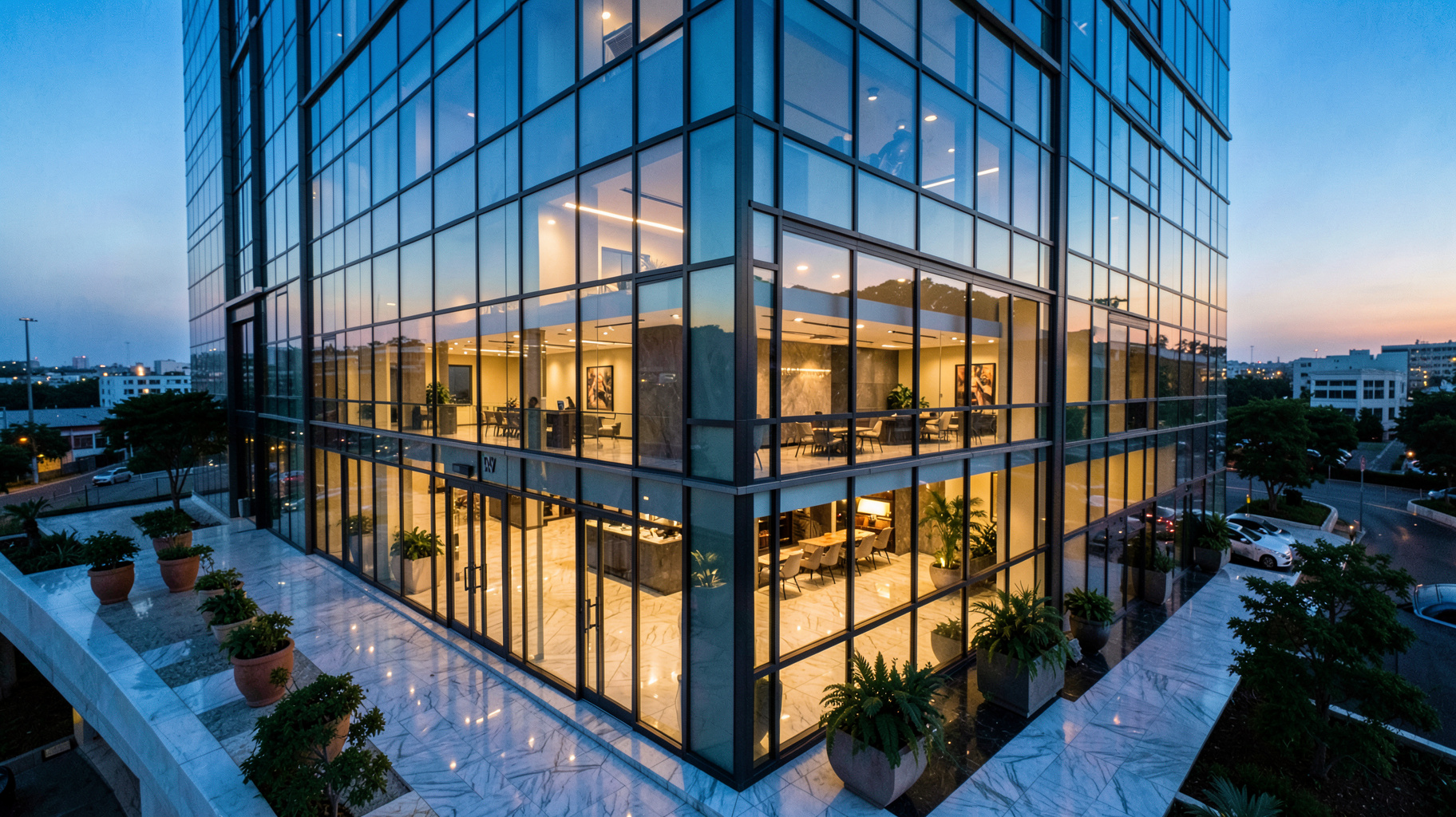
While virtual staging handles the interior, "Twilight Conversion" handles the emotional hook. There is a psychological phenomenon where properties look more welcoming and "expensive" during the golden hour. However, scheduling a photographer to arrive at exactly 6:00 PM is a logistical nightmare.
By using AI to convert a daytime exterior photo into a twilight scene, you can create a high-impact "hero image" for the listing. This involves adding a warm glow to the interior windows, deepening the blue of the sky, and adjusting the shadows of the landscape. Combined with virtual staging, this creates a comprehensive visual package that makes a property look like a dream home. For more on this, check out our guide on AI property enhancement.
Implementation Guide: Scaling Your Visuals in 2026
If you are a property manager or a high-volume agent, you cannot afford to spend hours on a single image. The key to profitability is a streamlined pipeline.
The High-Efficiency Pipeline:
- Batch Capture: Shoot all rooms in a property using a standardized wide-angle setting.
- Cloud Upload: Upload photos to a professional platform like RealVisionAI Blog - AI Real Estate Photography & Virtual Staging.
- Style Templating: Apply a consistent "Design Theme" across the entire house to ensure visual continuity.
- Rapid Iteration: If a client dislikes a specific furniture piece, use the software to swap styles in seconds rather than re-shooting or re-editing.
- Omnichannel Deployment: Push these visuals simultaneously to the MLS, Instagram, and Facebook Ads to create a synchronized marketing blitz.
By using tools that deliver results in 12 seconds, you eliminate the bottleneck of waiting for a freelance editor, allowing you to get the listing live while the seller's motivation is at its peak.
Frequently Asked Questions
Is virtual staging considered a deceptive practice in real estate?
No, provided there is clear disclosure. Most real estate boards and regulatory bodies allow virtual staging as long as the structural elements of the home are not altered. It is viewed as a marketing tool similar to using a wide-angle lens or adjusting brightness. The key is to use it to show potential, not to hide defects. Adding a "Virtually Staged" label ensures the buyer knows the furniture is not physically present, maintaining professional ethics.
Can virtual staging software work with cluttered or occupied homes?
Yes, but it requires a two-step process. First, "AI Decluttering" is used to digitally remove existing furniture, trash, or personal items from the photo. Once the room is a "blank canvas," the virtual staging software then populates the space with professional furniture. This is incredibly useful for "fixer-upper" properties where the current interior is unappealing, but the layout is excellent.
How does virtual staging impact the final sale price of a home?
While it is difficult to isolate a single variable, data from the Real Estate Staging Association suggests that staged homes often command a higher sale price. This happens because the staging helps buyers perceive the home as "move-in ready" and helps them visualize the lifestyle they are buying. When buyers can see how a room functions, they are less likely to negotiate the price down based on "renovation fears."
Do I need professional photography for virtual staging to look real?
Absolutely. Virtual staging is an enhancement, not a replacement for good photography. If the base photo has distorted lines, poor lighting, or low resolution, the virtual furniture will look like it is "floating" or pasted on. High-quality, high-resolution photos provide the necessary data for the AI to map the room's geometry accurately, which is the secret to achieving a photorealistic result.
Which rooms should be prioritized for virtual staging?
You should prioritize the "high-emotion" rooms. The living room and primary bedroom are the most important because they represent the buyer's primary areas of relaxation. The kitchen is a close second, as it is often the deciding factor in a home purchase. I generally advise against staging bathrooms or laundry rooms unless they are exceptionally large, as these spaces add less emotional value to the overall listing.
Recommended Readings
To deepen your understanding of these topics, we recommend reading the following articles:
- Ultimate AI Lead Generation for Real Estate Agents
- AI Virtual Staging by Property Type
- Automated property editing
- Commercial real estate photography
Conclusion
In 2026, the digital storefront is the only storefront that matters. If your listings are competing with others that use cutting-edge visuals, an empty room is a liability. Virtual staging software allows you to eliminate the massive costs of physical furniture rentals while increasing the speed at which your properties move. By bridging the imagination gap, you don't just sell a house; you sell a vision of a better life.
Whether you are trying to attract luxury buyers or move a modest starter home, the ability to generate market-ready visuals in seconds is a superpower. Stop letting empty rooms kill your conversion rates. Elevate your professional image and accelerate your sales by leveraging the AI-driven power of RealVisionAI Blog - AI Real Estate Photography & Virtual Staging.
Explore our professional solutions and transform your listings today at realvisionaire.com.
Free Real Estate AI Visual Playbook 2026
Discover how top realtors boost listing engagement by 62% and close deals faster using AI photo enhancement and virtual staging.