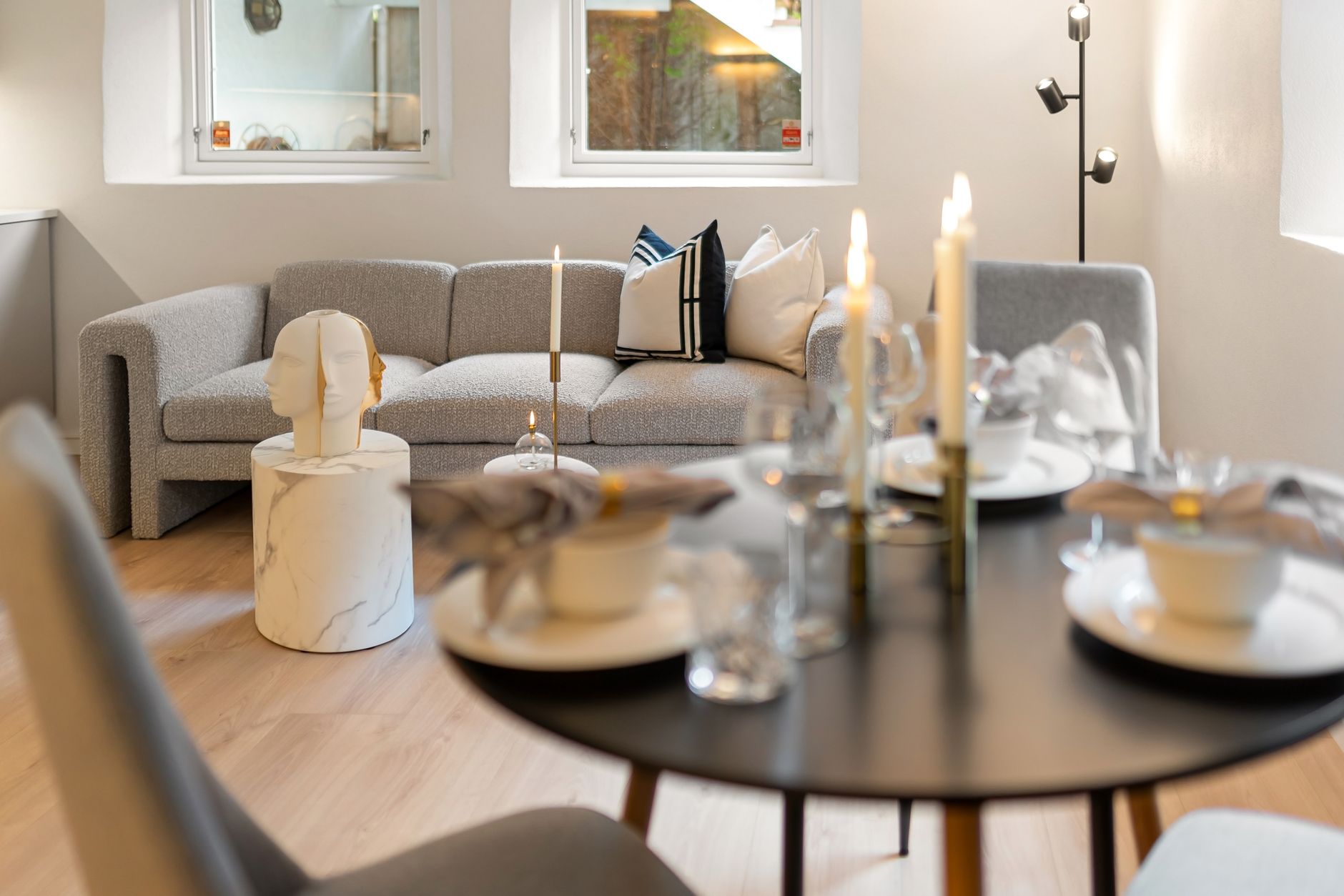
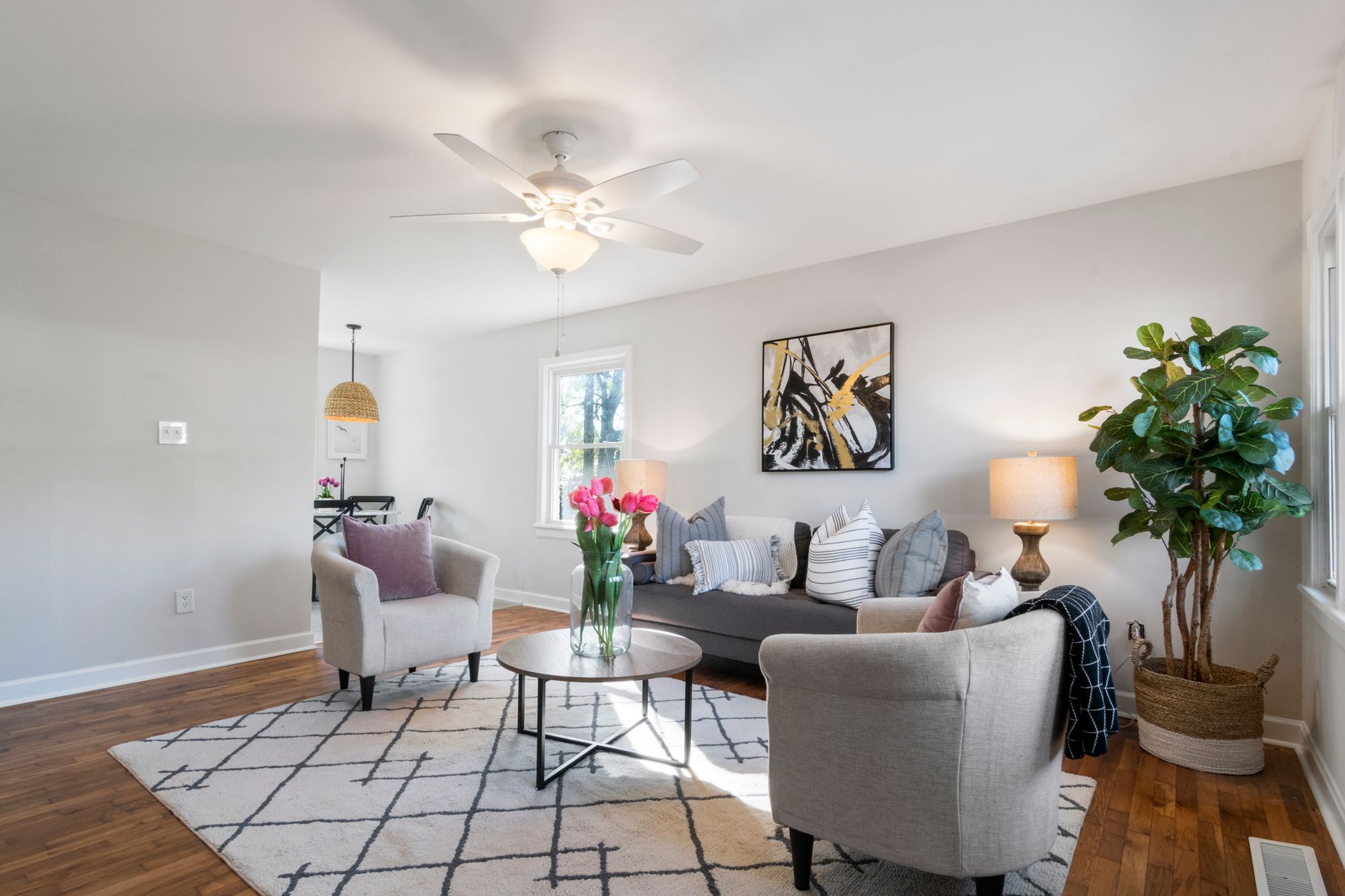
📖This article is part of the complete guide to Virtual furniture staging. What is Virtual Furniture Staging? Complete Guide 2026
In the competitive 2026 real estate market, visual presentation is the most decisive factor for both the speed and final sale price of a property. Neuroscientific studies applied to real estate marketing indicate that buyers form a decisive first impression in just 0.2 seconds when viewing online listing photos. In this scenario, virtual furniture staging emerges as the most powerful tool to ensure that impression is irresistible.
Crucial Data: Properties with professionally enhanced photos and virtual staging receive 62% more inquiries and stay half the time on the market compared to listings using raw or untreated photos, according to data from the National Association of Realtors (NAR).
The technology is no longer a differentiator but has become a market standard. To understand the complete ecosystem, see our
guide on how to use virtual staging software.
How Does Virtual Furniture Staging Work in Practice?
Virtual furniture staging is the technical process of digitally adding furniture, decorative objects, and design elements to photographs of empty or underutilized spaces, using artificial intelligence and computer vision. Unlike the traditional physical staging technique – which requires vehicle rentals, transportation, manual assembly, and days of preparation – the virtual version is executed in seconds and costs up to 97% less per room.
📚Definition
Virtual Furniture Staging is a computer vision technology that analyzes the architecture, perspective, and lighting of a real environment and inserts photorealistic 3D objects with shadows, reflections, and textures perfectly integrated into the original scene.
The Technology Behind the Process
The modern virtual staging technical pipeline involves three main steps:
-
AI Architectural Mapping: The algorithm first identifies walls, floors, ceilings, windows, and doors. It calculates the scene's depth and the dominant light source position, creating a 3D grid over the original 2D photo.
-
3D Object Library: A catalog with thousands of items – from sofas and tables to plants and paintings – is analyzed for a perfect fit. Each object has real-size data, material (leather, wood, metal), and light behavior (diffusion, reflection, absorption).
-
Neural Rendering: The system applies Generative Adversarial Networks (GANs) to fill occluded pixels behind furniture, adjust shading, and blend textures indistinguishably from the original photo.
For a detailed step-by-step of the technical settings, access the
practical guide to virtual staging software.
The 4 Main Types of Virtual Staging and When to Use Each
| Type of Staging | When to Use | Relative Cost | Visual Result |
|---|
| Basic Staging | Properties for quick rental or investors | Low | Functional and clean |
| Premium Staging | Standard residential sales | Medium | Welcoming and aspirational |
| Architectural Redesign | Properties for renovation or older homes | High | Complete transformation |
| Personalized Style | Luxury properties or specific niche | Variable | Highly segmented |
Basic Staging: Adds only essential furniture – bed, sofa, dining table – to demonstrate the room's functionality. Ideal for investors who want to show potential without creating unrealistic expectations.
Premium Staging: Includes full decoration: rugs, curtains, pillows, plants, paintings, and decorative lighting. Creates an emotional atmosphere that connects the buyer to the space. It is the most used in family homes.
Architectural Redesign: Goes beyond furniture. Changes wall colors, replaces floors, adds recessed lighting, and even removes non-structural walls (with advanced software). Perfect for dated properties or those needing to show renovation potential.
Personalized Style: Uses demographic data from the neighborhood and average buyer profile to select specific furniture. For example: industrial style for lofts in young areas, classic furniture for family neighborhoods, minimalist design for high-end studios.
💡Key Takeaway
The type of staging chosen directly impacts the conversion rate. A 2025 study by the Realtor.com platform showed that properties with personalized staging had 34% more scheduled visits than those with generic staging.
Why Is Virtual Staging Essential for Realtors in 2026?
The COVID-19 pandemic accelerated the digitalization of the real estate market by five years. In 2026, approximately 98% of buyers begin their search journey online, and first visual impressions determine whether a property will even be considered for a visit.
- Click-through rate up to 47% lower on portals like Zillow and Realtor.com
- Visit scheduling up to 3 times less than properties with virtual staging
- Perceived value between 12% and 15% below the actual market price
The Psychological Effect of Staging on the Buyer
Neuromarketing research applied to the real estate sector reveals specific mechanisms:
Visual Anchoring Effect: When a buyer sees an empty room, their brain cannot project scale and functionality. The space seems smaller and uncomfortable. Virtual staging activates areas of the prefrontal cortex associated with visualization of ownership and belonging.
Cognitive Load Reduction: Decorated environments require less mental effort to process. The buyer focuses on feeling the space, not on imagining how to occupy it. According to Harvard Business Review, buyers process decorated images 60% faster than photos of empty rooms.
Emotional Activation: Furniture and decoration create emotional triggers. A living room with a sofa, coffee table, and rug activates memories of comfort and coziness. MIT Media Lab research shows that appropriate decoration increases activity in the amygdala associated with purchase intention.
Real Case: A 2025 study conducted by Zillow with realtors in Rio de Janeiro demonstrated that virtually decorated apartments sold, on average, 22 days faster and for 8% above the average market price. The average ROI was 15 reais for every 1 real invested in virtual staging.
Impact on SEO and Digital Marketing
Realtors who use virtual staging also observe improvements in digital performance:
- Longer dwell time on the page – a positive signal for search algorithms
- Lower bounce rate – attractive images retain visitors
- Higher social sharing – visually impressive listings generate more engagement
To understand how to optimize your listings for search engines, check out our
complete guide to real estate photo enhancement.
Step by Step: How to Implement Professional Virtual Staging
1. Preparing the Photo Session
The quality of the final result directly depends on the quality of the base images. Fundamental rules:
- Minimum Resolution: Shoot at least 3000 pixels wide (RAW format preferred)
- Strategic Angles: Capture each room from 2 to 3 different angles – never just one central point
- Uniform Exposure: Avoid overexposed (blown out) windows or underexposed (black) corners
- Controlled Distortion: Use lenses with focal length between 24mm and 35mm; avoid super-wide angles that distort proportions
2. Data-Driven Style Selection
The decorative style should not be chosen by personal taste, but by market analysis:
- Corporate Neighborhoods (e.g., Faria Lima, Berrini): clean, contemporary minimalist style
- Family Areas (e.g., Moema, Tijuca): welcoming style, neutral tones with touches of color
- University Regions (e.g., Vila Mariana, Centro): functional and economical decor
- High Luxury Zones (e.g., Jardins, Leblon): designer style, visible branded furniture
Use market analysis tools like DataZap or GeoInfo to identify the predominant demographic profile in the property's region.
The 2026 market offers specialized solutions that make the process accessible to any realtor:
RealVision AI stands out as a leading platform, offering:
- Catalog with over 5,000 licensed 3D furniture and objects
- Automatic lighting system that replicates the natural light of the original photo
- Complete neural rendering in 12 seconds per room
- Support for multiple simultaneous styles (test 3 versions per room)
💡Key Takeaway
Automation does not replace a professional eye. Even with AI, human review is recommended for fine adjustments of scale (measure doors as a reference) and stylistic coherence between rooms.
For a detailed comparison between the main tools, see our
2026 virtual staging software ranking.
4. Export and Publication on MLS
Formatting rules for real estate platforms:
- Format: JPEG with 90%+ quality (minimum size 1920x1080 pixels)
- Naming: [address][room][style].jpg (e.g., oliveira_street_living_contemporary.jpg)
- Legal Disclaimer: Must include the phrase "Images with virtual furniture for visualization purposes" in the description field or photo caption
5. Measuring Results
After publishing the virtually decorated images, monitor:
- Percentage increase in MLS views
- Click-through rate and leads generated
- Average time to first scheduled visit
- Comparison of final sale price vs. asking price
Technical Comparison: Virtual vs. Physical vs. No Staging
| Criteria | Virtual Staging (RealVision AI) | Traditional Physical Staging | No Staging |
|---|
| Cost per Room | R$ 50–150 per photo | R$ 2,000–8,000/month (rental) | Free |
| Execution Time | 12 seconds to 5 minutes | 3 to 7 days (setup) | 0 |
| Style Flexibility | 20+ styles available | 1 fixed style | None |
| Scalability | Unlimited (all rooms) | Limited by budget | N/A |
| Impact on Visits | +73% in inquiries | +68% in inquiries | Baseline |
| Average ROI | 15:1 | 5:1 | 1:1 |
| Sustainability | Zero waste | Frequent furniture disposal | Neutral |
Data based on NAR 2025 research and RealVision AI market analysis.
7 Common Mistakes in Virtual Staging (and How to Avoid Them)
1. Overcrowding the Room
Mistake: Inserting too much furniture, creating a cramped feeling.
Solution: Keep at least 40% of the floor visible. The rule of thumb is that it should be possible to walk between furniture – at least 90 cm of passage.
2. Disproportionate Scale
Mistake: Sofas too large or tables too small for the space.
Solution: Use known architectural references – standard door width (80 cm), counter height (90 cm), average ceiling height (2.70 m).
3. Style Incompatible with the Audience
Mistake: Decorating a popular apartment with expensive Japanese minimalist design.
Solution: Research the typical buyer profile for the region using recent sales data.
4. Discordant Artificial Lighting
Mistake: Furniture shadows that don't match the direction of natural light.
Solution: Tools like RealVision AI do automatic mapping. In manual editors, define the primary light source (main window) and orient shadows consistently.
5. Disregarding Flow and Function
Mistake: Positioning furniture blocking natural circulation or doors.
Solution: Before finalizing, trace the path from entrance to exits. Each room should have a logical flow.
6. Ignoring the Purpose of Each Room
Mistake: Decorating all bedrooms as generic master suites.
Solution: Define the function: master bedroom (bed + nightstands), child's room (bed + desk), home office (desk + chair + bookshelf).
7. Outdated or Generic Styles
Mistake: Using the same generic furniture in every property.
Solution: Include seasonal elements (warmer colors in winter) and regional ones (wood for mountain areas, cool tones for the coast).
To delve deeper into each mistake with visual examples, read our
complete guide on virtual staging software.
Frequently Asked Questions about Virtual Furniture Staging
Is virtual staging allowed on Brazilian real estate portals?
Yes, it is allowed as long as the realtor follows the transparency rules established by the main portals (Zap, Viva Real, Imovelweb, OLX) and CRECI regulations. The image or caption must contain a clear statement that it is digitally inserted virtual furniture. CRECI also determines that permanent structural features of the property, such as walls, windows, and doors, cannot be altered – only the decoration can be modified. Non-compliance can result in ethical penalties and even fines.
What is the difference between virtual staging and 3D rendering?
The fundamental difference lies in the base image. 3D rendering starts from a completely synthetic three-dimensional model, created from scratch in software like SketchUp, 3ds Max, or Blender. It represents an idealized projection of the space, not a real photograph. Virtual staging, on the other hand, works on a real photo of the property, preserving all original details – wall textures, finishes, doors, windows, flooring. AI inserts furniture and decoration respecting the real architecture. Therefore, virtual staging is accepted on MLS and portals, while full 3D renderings may be rejected for not representing the actual property.
How to choose the ideal decorative style for each property?
Style choice should be based on data, not personal preference. Analyze four factors: (1) property price range – high-end properties call for designer and minimalist style; (2) neighborhood demographic profile – young professionals prefer contemporary, families prefer cozy; (3) local design trends – research regional decoration sites; (4) season – neutral colors and pastel tones for spring/summer, warmer and cozier tones for fall/winter. Practical tip: analyze the 10 most successful listings in the region from the last month and identify the dominant aesthetic pattern.
How long does the complete virtual staging process take?
With AI-based tools like RealVision AI, the time is drastically reduced: the automatic full staging of a room takes approximately 12 seconds to generate the first version. Fine manual adjustments – such as repositioning objects, changing textures, or correcting scale – take an additional 2 to 3 minutes. Generating multiple versions of the same room in different styles (modern, classic, rustic) takes about 5 minutes total. Comparatively, physical staging requires at least 3 days for rental, delivery, and furniture assembly.
What is the average cost of virtual staging per property?
The cost varies depending on the service provider and project complexity. Self-service platforms like RealVision AI charge between R$ 50 and R$ 150 per processed photo, depending on the number of rooms and the level of customization. For a standard 3-bedroom apartment (about 5 to 7 rooms), the total investment ranges from R$ 350 to R$ 1,050. In contrast, a physical staging service for the same property would cost between R$ 2,000 and R$ 8,000 monthly (furniture rental + assembly). Considering the average ROI of 15:1 and time savings, virtual staging is significantly more affordable.
Does it work for any type of property and any photo?
Virtual staging performs best in some scenarios and has limitations in others. It works excellently in: empty apartments (new or recently vacated), houses for renovation or partial demolition, commercial spaces (stores, offices, clinics), and floor plans (to show furniture layout). It performs poorly in: already furnished properties (real objects compete with virtual ones), environments with many complex architectural details (columns, stained glass, niches), and low-quality photos (blurry, underexposed, with severe distortions). For bad photos, it is recommended to first do image enhancement before applying staging.
Can virtual staging be used for videos and virtual tours?
Yes, this is one of the strongest trends for 2026. Companies like RealVision AI already offer integration that allows applying the same virtual staging set to 360-degree videos and interactive virtual tours. The technology maps the scene in depth and applies the furniture consistently across all angles, creating an immersive experience. This is particularly useful for properties sold entirely or partially online – as happens with international investors or buyers from other cities. The decorated virtual tour significantly increases buyer confidence before an in-person visit.
How to measure the ROI of virtual staging?
The return on investment calculation should consider multiple indicators. First, measure the percentage increase in listing views on the MLS (average +47% with virtual staging). Then, calculate the reduction in time on market (staged properties sell on average 22 days faster). Financially, each R$ 1 spent on virtual staging generates on average R$ 15 in additional perceived value – meaning if the investment was R$ 800, the property tends to sell for R$ 12,000 more than it would without staging. Use CRM tools to track the origin of each lead and correctly attribute the impact. The simplified formula is: (final price with staging – estimated price without staging) / total staging cost.
The Future of Virtual Staging: Trends 2026-2027
The virtual staging industry is evolving rapidly, driven by advances in generative AI, augmented reality, and real estate data integration. The main trends shaping the market:
Augmented Reality at Point of Sale: Buyers will be able to scan a QR Code on the "For Sale" sign and view the decorated property directly on their smartphone, overlaying virtual furniture onto the real space. Companies like IKEA already test similar technology on a large scale.
Predictive Personalization by AI: Machine learning algorithms will analyze the buyer's digital profile (search history, color preferences, budget) and automatically generate staging optimized for that specific buyer.
Dynamic Multi-Style Staging: Realtors will be able to offer buyers the option to switch between 3 to 5 different decorative styles in the same room with one click, allowing each visitor to view the property according to their personal taste.
Metaverse Integration: Properties will be made available in virtual worlds like Decentraland or Spatial, where international buyers can "walk through" the decorated property without leaving home, using VR headsets.
Sustainability as a Differentiator: The ESG movement will also impact virtual staging, with libraries of furniture made from recycled materials, native plants, and biophilic design (connection with nature) gaining prominence.
💡Key Takeaway
Realtors who adopt these new technologies early will have a significant competitive advantage. Virtual staging in 2026 is no longer just about decorating – it's about creating personalized immersive experiences.
Conclusion
Virtual furniture staging has gone from being an optional differentiator to a basic requirement in modern real estate marketing. The evidence is clear and quantifiable: virtually decorated properties receive more inquiries, sell faster, and achieve higher prices than equivalent properties without staging.
The technology has made the process accessible to any realtor, regardless of the size of the agency. With platforms like RealVision AI, the investment per room has dropped to tens of reais, and execution time to seconds. The average return on investment of 15:1 surpasses any other real estate marketing strategy currently available.
Next Steps for Immediate Implementation:
- Capture quality photos of an empty property in your current portfolio
- Test RealVision AI's Virtual Staging for free with 3 photos
- Publish the before and after images and measure the increase in engagement
- Expand to your entire portfolio and monitor the reduction in average time to sale
To deepen your knowledge and master all visual optimization techniques for the real estate market, we recommend reading the following resources:
About the Author
RealVisionAI Editorial Team is a team of Brazilian specialists in real estate visualization and artificial intelligence technology applied to the real estate sector. With practical experience implementing virtual staging in hundreds of properties, our analysis combines deep technical knowledge with real market results, helping realtors transform the presentation of their properties and accelerate sales.
Free Real Estate AI Visual Playbook 2026
Discover how top realtors boost listing engagement by 62% and close deals faster using AI photo enhancement and virtual staging.