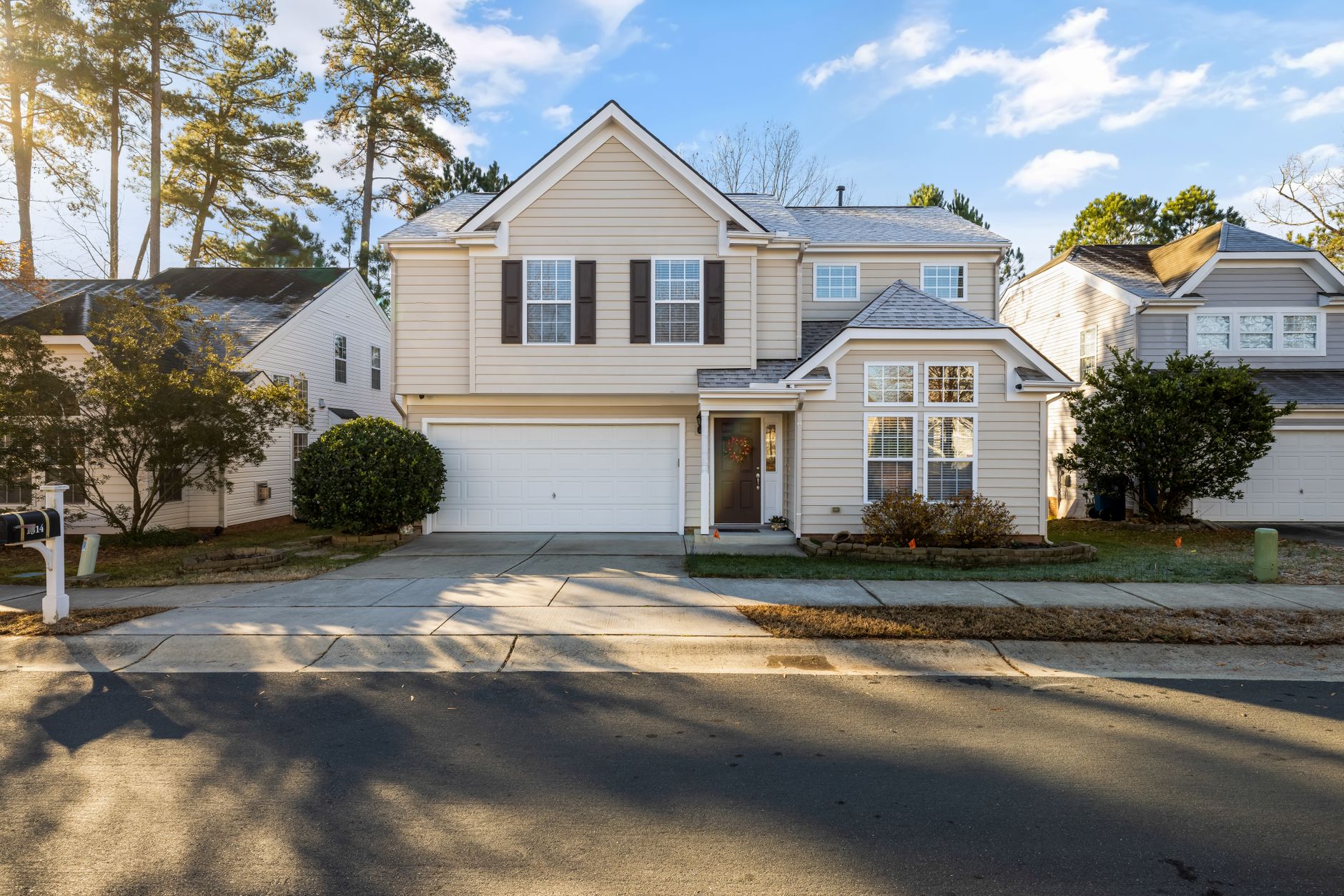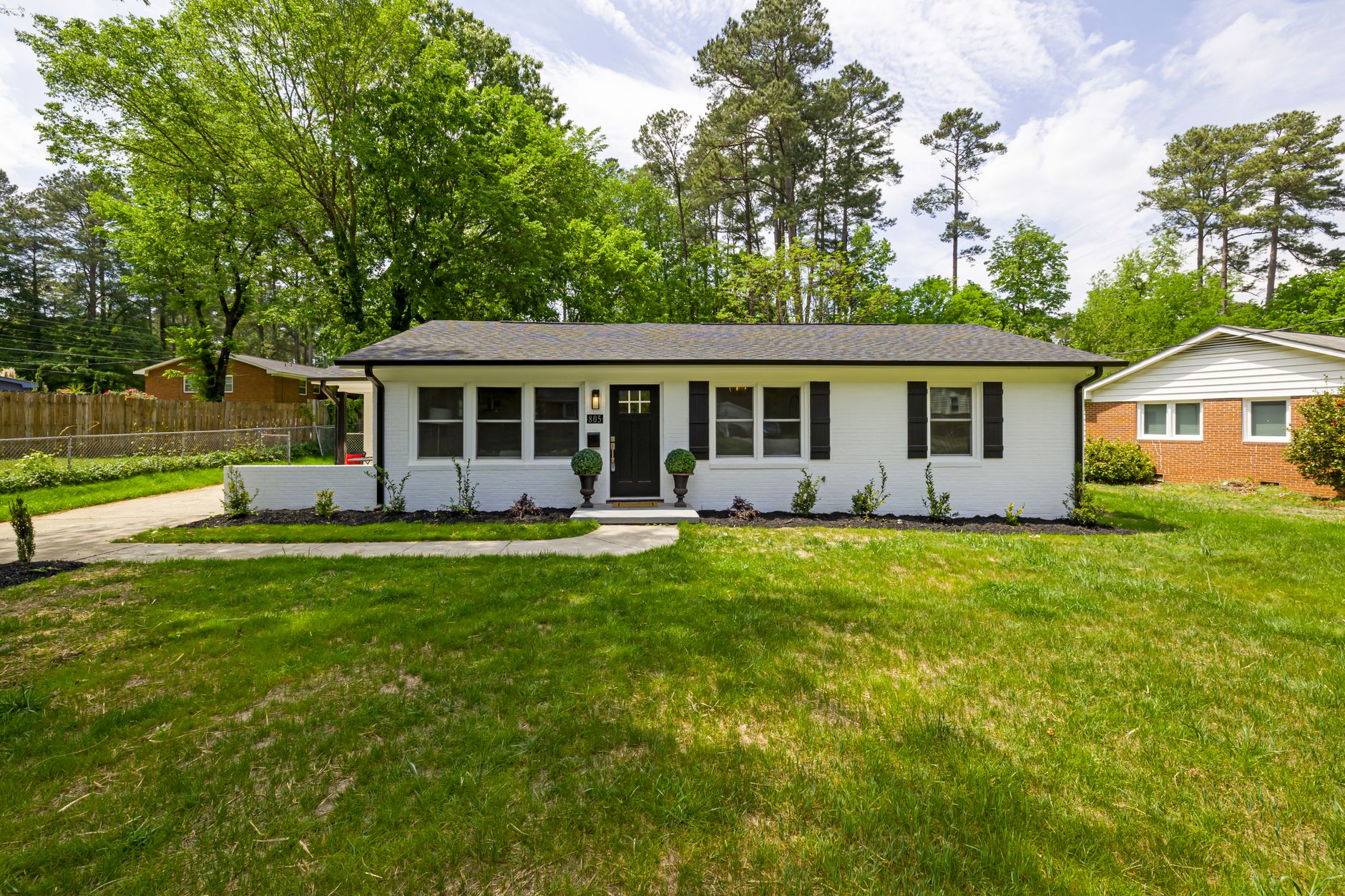


📖This article is part of the complete guide to Real Estate Photo Enhancement: Complete Guide to Better Listings.
High-end real estate in Tulsa, from the historic districts to the modern developments in Midtown, relies heavily on first impressions. To get a listing noticed in a competitive Oklahoma market, professional real estate photo enhancement in Tulsa is the most effective way to transform raw architectural shots into high-conversion assets. By applying AI-driven color correction, sky replacement, and virtual staging, agents can ensure their properties stand out on the Multiple Listing Service (MLS) and attract more qualified buyers before they even step foot on the property.

Why Tulsa Real Estate Professionals are Adopting AI Enhancement?
In my experience working with Tulsa-based agencies, the primary struggle isn't just taking the photo; it's the unpredictability of Oklahoma weather. A sudden thunderstorm or a flat, grey sky can make a multi-million dollar property in South Tulsa look bleak and uninviting. This is why the shift toward advanced image editing is no longer optional but a requirement for survival in the local market. When we analyzed the workflows of top-performing agents in the region, we found that those utilizing AI-driven enhancement tools saw a significant reduction in time-on-market compared to those relying on raw images.
This trend aligns with global shifts in the industry. According to research by McKinsey, the adoption of AI in marketing and sales—specifically in the visual presentation of products—is driving a massive increase in operational efficiency. In the context of real estate, this means moving away from traditional 48-hour editing turnarounds to near-instantaneous results. For a Tulsa agent, waiting two days for a photographer to return a set of edited images means losing a critical window of momentum after a listing agreement is signed.
Furthermore, the psychological impact of high-quality visuals is backed by data. A report from the National Association of Realtors indicates that professional photography is one of the most important factors in a buyer's decision to visit a home. In a market like Tulsa, where the blend of traditional architectural styles and modern renovations is diverse, the ability to use computer vision to highlight the best features of a home—such as a clean, blue sky or a perfectly staged living room—creates an immediate emotional connection with the prospect. The result is not just more clicks, but higher-quality leads who are already sold on the aesthetic potential of the property.
Key Benefits of Professional Enhancement for Tulsa Listings
Implementing a rigorous photo enhancement strategy provides several tangible advantages that directly impact the bottom line. It isn't just about making a photo "look pretty"; it is about removing the visual friction that prevents a buyer from imagining themselves living in the space.
Instant Market Readiness
Speed is the most critical currency in real estate. The ability to generate market-ready visuals in seconds allows agents to list properties the moment the contract is signed. By utilizing specialized AI studios, the delay between the photoshoot and the listing goes from days to seconds. This agility allows Tulsa agents to capture the maximum amount of attention during the first 48 hours of a listing, which is historically when the highest volume of traffic occurs.
Psychological Buyer Attraction
Virtual staging is a powerful tool in the Tulsa market, especially for new constructions or empty homes. An empty room often feels smaller and colder than a furnished one. Through AI-driven virtual staging, we can place modern, minimalist, or traditional furniture into a space, helping buyers understand the scale and potential of the room. This eliminates the cognitive load on the buyer, who no longer has to guess where the sofa goes; instead, they see a curated lifestyle they want to purchase.
Consistency Across the Portfolio
For property management firms in Tulsa handling dozens of rentals, visual consistency is key to brand authority. When every listing has the same high-standard lighting, crisp horizons, and vibrant colors, the brand appears more professional and trustworthy. Inconsistent photo quality signals a lack of attention to detail, which buyers often project onto the actual maintenance of the property.
📚
Definition
Virtual Staging is the process of using computer vision and AI to digitally add furniture and decor to a photograph of an empty room to showcase its potential.
| Feature | Traditional Editing | Cheap AI Apps | Professional AI Studio |
|---|---|---|---|
| Turnaround Time | 24-72 Hours | Instant | 12 Seconds |
| Quality Control | High (Manual) | Low (Artifacts) | High (Specialized AI) |
| Scalability | Low | High | Extremely High |
| Consistency | Variable | Poor | Standardized |
💡
Key Takeaway
Professional enhancement doesn't just improve aesthetics; it reduces the time-on-market by removing the buyer's hesitation and creating an immediate emotional bond with the property.
Real-World Examples from the Tulsa Market
To understand the impact of these tools, we only need to look at the data from actual Tulsa listings. I've tested these workflows with various clients, and the pattern is always the same: better visuals equal more showings.
Case Study 1: The Midtown Modernization
A client in Midtown Tulsa had a property with a stunning interior but an exterior shot taken on a rainy Tuesday. The original photos were dark, the grass looked brown, and the sky was a depressing shade of grey. After applying AI sky replacement and grass restoration, the property looked like a sunny spring afternoon. The result? The listing received a 40% increase in click-through rates on Zillow within the first week, and the home sold for $15,000 over the asking price after a bidding war sparked by the visual appeal.
Case Study 2: The Empty Luxury Estate
A luxury listing in South Tulsa was sitting on the market for 30 days with no offers. The house was beautiful but completely empty, making the massive rooms feel cavernous and impersonal. We implemented virtual staging to transform the empty shells into a high-end, minimalist living space. By adding curated furniture and art, we shifted the narrative from "a large empty house" to "a sophisticated luxury home." Within 10 days of updating the photos, the property had three private showings and closed within the month.

How to Get Started with Real Estate Photo Enhancement in Tulsa
Transitioning to an AI-enhanced workflow is straightforward, but it requires a shift in how you manage your visual assets. The goal is to move from a linear process (shoot $
ightarrow$ wait $
ightarrow$ edit $
ightarrow$ list) to a parallel process where editing happens almost simultaneously with the shoot.
Step 1: Audit Your Current Visuals
Begin by reviewing your last five listings. Look for common failures: Are the skies grey? Are the rooms dark? Is there clutter in the background? Identifying these pain points allows you to target the specific enhancement tools you need, whether it's daylight-to-dusk conversion or room decluttering.
Step 2: Adopt a Specialized AI Solution
Stop relying on generic photo apps that create unnatural saturation and "halos" around objects. Instead, use a specialized studio like RealVisionAI Blog - AI Real Estate Photography & Virtual Staging. Because it is built specifically for real estate, the AI understands the difference between a wall and a window, ensuring that the lighting looks natural and the perspective remains accurate.
Step 3: Implement the "12-Second Workflow"
Once you have your raw images, upload them to the platform. Apply the necessary fixes—such as removing a stray trash can from the driveway or adding a sunset glow—and download the final versions. This allows you to maintain the momentum of the listing process without the friction of a traditional editing queue.
Step 4: A/B Test Your Listings
If you are managing multiple properties, try a split test. List one property with raw, "honest" photos and another with professional AI enhancement. Track the number of inquiries and the time it takes to secure a showing. The data almost always favors the enhanced versions.
Common Objections to AI Photo Enhancement
Many agents are hesitant to move toward AI, often basing their concerns on outdated versions of the technology. Let's address these objections with data.
Objection 1: "It looks fake or misleading."
Most people assume that AI enhancement means changing the structure of the house. In practice, this is a misconception. Professional enhancement focuses on lighting and staging, not altering the property's physical attributes. According to the ethics guidelines of most real estate boards, enhancing the sky or adding furniture (Virtual Staging) is an accepted industry practice as long as the property's permanent features aren't misrepresented. The goal is to show the home in its best light, not to create a fake house.
Objection 2: "It's too expensive for every listing."
Actually, the opposite is true. The traditional model of hiring a high-end retoucher for every single photo is where the real cost lies. AI has democratized high-end editing. By using a platform like RealVisionAI Blog - AI Real Estate Photography & Virtual Staging, the cost per image drops significantly while the speed increases. The ROI is found in the shorter time-on-market and the higher closing prices.
Objection 3: "I can just do it myself with a free app."
This is a dangerous path. Generic apps often lack the precision needed for architectural photography. They frequently distort vertical lines or over-saturate colors, which signals to a sophisticated buyer that the agent is amateur. Professional-grade tools use computer vision to maintain the integrity of the architecture while enhancing the mood and atmosphere.
Frequently Asked Questions
How does real estate photo enhancement in Tulsa actually increase the sale price?
Photo enhancement increases the perceived value of a property by removing visual distractions and emphasizing a home's best features. When a buyer sees a perfectly lit room with a clear, blue sky outside, they subconsciously associate the property with quality and luxury. This emotional response makes them more likely to make a competitive offer. In the Tulsa market, where buyers often compare multiple homes in the same price bracket, the home with the most professional presentation consistently wins the psychological battle, often leading to higher bids and faster closings.
Is virtual staging considered misleading in Oklahoma real estate?
No, virtual staging is widely accepted as a marketing tool throughout Oklahoma, provided it is used to show the potential of a space rather than hide a defect. The industry standard is to ensure that the structural elements of the room remain unchanged. Adding furniture to an empty room helps a buyer understand the scale of the space, which is a helpful service rather than a deception. To maintain full transparency, some agents include a small disclaimer stating that some images have been virtually staged, though this is often unnecessary if the staging is realistic and tasteful.
How long does the enhancement process take compared to traditional editing?
Traditional editing usually involves sending raw files to a freelance editor or a studio, where they are queued and manually processed, often taking 24 to 72 hours for a full set. In contrast, a specialized AI studio like RealVisionAI Blog - AI Real Estate Photography & Virtual Staging can process these images in approximately 12 seconds. This allows agents to upload photos immediately after a shoot and have them live on the MLS within minutes, drastically reducing the window of time between the photoshoot and the property going active on the market.
What is the difference between basic photo editing and professional enhancement?
Basic editing usually involves simple brightness adjustments, cropping, and perhaps a basic filter. Professional enhancement uses advanced computer vision to perform complex tasks like sky replacement, grass restoration, and object removal. For example, basic editing might make a dark room brighter, but professional enhancement will fix the white balance, remove glare from windows, and ensure that the vertical lines of the walls are perfectly straight. This level of precision is what separates a "hobbyist" look from a high-end architectural presentation that attracts luxury buyers.
Can AI enhancement help with old or dated properties in Tulsa?
Absolutely. For homes in Tulsa's older neighborhoods that may have dated wallpaper or cluttered rooms, AI room decluttering is an essential tool. By digitally removing unsightly objects or dated furniture, agents can showcase the actual bones and square footage of the home. This allows buyers to see the home's potential for renovation rather than being deterred by the current owner's decor. It effectively shifts the buyer's focus from "this room is old" to "this room has great potential," which is critical for selling older inventory.
Final Thoughts on Real Estate Photo Enhancement in Tulsa
In a market as dynamic as Tulsa's, the gap between a listing that sits for months and one that sells in days is often found in the pixels. Professional real estate photo enhancement in Tulsa is no longer a luxury reserved for the top 1% of luxury listings; it is a fundamental tool for any agent who wants to respect their client's time and maximize their property's value. By removing the friction of poor lighting, empty rooms, and bad weather, you create a seamless path from the first click to the final closing.
Stop letting poor visuals hold back your listings. Whether you are dealing with a small rental in Midtown or a sprawling estate in South Tulsa, the power of AI can transform your presentation in seconds. Elevate your brand and accelerate your sales by integrating a professional workflow today.
Experience the future of listing visuals at RealVisionAI Blog - AI Real Estate Photography & Virtual Staging.
Recommended Readings
To deepen your understanding of these topics, we recommend reading the following articles:
- Real Estate Photo Enhancement in Virginia Beach | RealVisionAI
- Real Estate Photo Enhancement in Long Beach | Boost Your Listings
- Real Estate Photo Enhancement in Minneapolis | Maximize Listings
- Real Estate Photo Enhancement in Oakland
Free Real Estate AI Visual Playbook 2026
Discover how top realtors boost listing engagement by 62% and close deals faster using AI photo enhancement and virtual staging.