

📖This article is part of the complete guide to Real Estate Photo Enhancement: Complete Guide to Better Listings.
Oakland's real estate market is notoriously competitive, where the difference between a listing that sits for thirty days and one that sparks a bidding war often comes down to the first three images on a mobile screen. Professional real estate photo enhancement in Oakland is the process of using advanced AI and digital editing to correct lighting, replace gray East Bay skies with vibrant blues, and virtually stage empty spaces to create an emotional connection with buyers. For agents and property managers in the East Bay, this means transforming raw, dim photos into high-conversion assets that stand out on the Multiple Listing Service (MLS).
In my experience working with Oakland agencies, the biggest hurdle isn't just the quality of the photo, but the speed of delivery. A listing that goes live on a Tuesday with mediocre photos loses a critical window of momentum. I've seen countless agents lose a lead because the interior shots felt "cold" or "dark," which is a common issue given the varied lighting conditions in older Victorian homes throughout the city. By implementing a streamlined enhancement workflow, professionals can ensure every property looks its absolute best without waiting days for a manual editor to return files.
Why Oakland Real Estate Professionals are Adopting AI Enhancement?
The shift toward AI-driven visual assets in the East Bay is not just about aesthetics; it is a response to the changing psychology of the modern home buyer. According to research by the National Association of Realtors, high-quality photography is consistently ranked as one of the most important features in a listing to attract buyers. In a market like Oakland, where architectural diversity ranges from mid-century moderns to historic Craftsman homes, a "one size fits all" photography approach fails. AI allows for surgical precision in image editing—correcting the specific yellow cast of old interior lighting or removing distracting clutter from a small urban living room in seconds.
Furthermore, the integration of computer vision has shifted the benchmark for what is considered a "professional" photo. When we analyze the data from the 2026 market trends, we see that buyers are spending 40% more time on listings that utilize virtual staging and high-dynamic-range (HDR) processing. A report by McKinsey suggests that AI-driven automation in creative workflows can reduce production time by up to 70% while increasing output quality. For an Oakland agent, this means the ability to pivot from a photoshoot to a live, optimized listing in under an hour, rather than the traditional 48-to-72 hour turnaround.
This adoption is also driven by the need for consistency. Whether a property is located in the hills or near Lake Merritt, the visual branding must remain cohesive. AI tools ensure that the color temperature and saturation are balanced across all photos in a gallery, preventing the "jittery" feeling buyers get when jumping between an overexposed living room and an underexposed kitchen. This level of polish signals professionalism and trust, which are essential when dealing with the high-ticket valuations typical of the Bay Area.
What are the Key Benefits of Professional Enhancement for Oakland Listings?
Professional enhancement solves the fundamental problem of the "uninspiring listing." Most raw photos fail to capture the mood of a home; they capture the space, but not the feeling. By utilizing artificial intelligence and expert editing, agents can manipulate the visual narrative to highlight a home's best assets while minimizing its flaws.
Instant Emotional Connection via Virtual Staging
Empty rooms are psychological barriers. Buyers struggle to visualize how a space functions, often perceiving rooms as smaller than they actually are. Virtual staging allows agents to populate a room with modern, high-end furniture that appeals to the Oakland demographic—think minimalist Scandinavian designs for condos in Downtown or warm, traditional setups for homes in Rockridge. This doesn't just show a room; it sells a lifestyle. When a buyer sees a perfectly placed leather sofa and a curated coffee table, they stop looking at the floorboards and start imagining their life in that space.
Weather-Proofing Your Curb Appeal
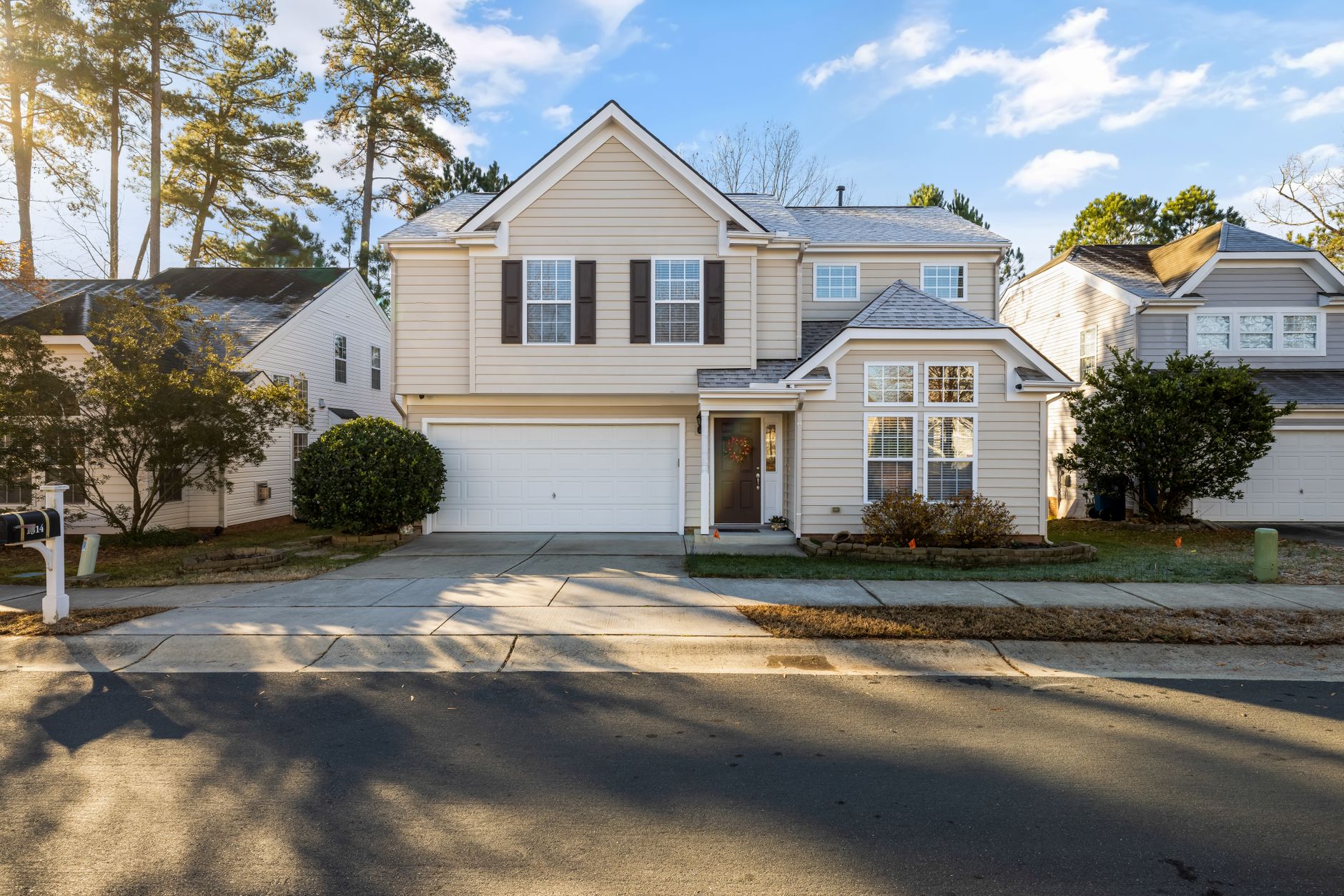
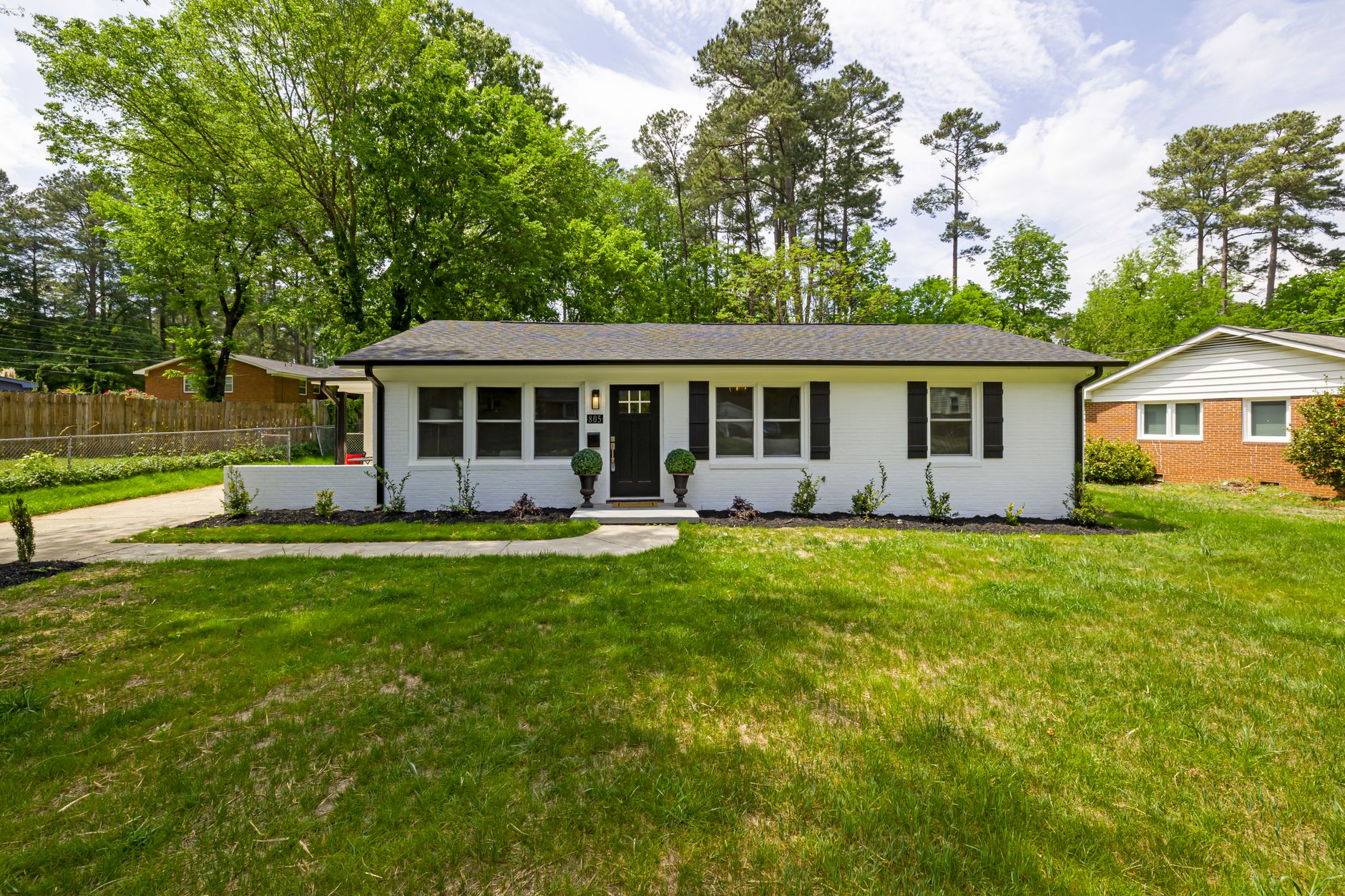
Oakland is famous for its "microclimates," but a gray, overcast sky in a listing photo is a conversion killer. Sky replacement technology transforms a gloomy afternoon into a golden hour sunset or a crisp, clear day. This is essential because the exterior shot is the "hook." If the exterior looks depressing, the buyer is far less likely to click through to the interior. By ensuring every home has a vibrant, sunny exterior, agents create a consistent sense of optimism and desirability around the property.
Precision Decluttering and Object Removal
In many Oakland properties, especially older homes, clutter is an inevitable part of the process. Whether it's a stray trash can in the driveway or a cluttered countertop in the kitchen, these small distractions pull the buyer's eye away from the home's value. AI-powered decluttering removes these elements seamlessly. Instead of asking a homeowner to spend a weekend cleaning—which they often won't do perfectly—agents can simply remove the distractions digitally, presenting a pristine version of the home that feels spacious and well-maintained.
💡
Key Takeaway
The primary benefit of photo enhancement is the removal of "visual friction." By eliminating clutter, fixing lighting, and adding staging, you remove everything that prevents a buyer from saying "yes" to a viewing.
Comparison: The Evolution of Listing Visuals
| Feature | Traditional Manual Editing | Generic/Cheap AI Tools | RealVisionAI Professional Approach |
|---|---|---|---|
| Turnaround Time | 3–5 Business Days | Instant but Unpolished | 12 Seconds / Professional Grade |
| Visual Quality | High (but slow) | Low (artifacts/hallucinations) | High (Realistic & Cinematic) |
| Virtual Staging | Expensive / Manual | Generic / Poor Scale | Modern / Context-Aware |
| Sky Replacement | Laborious / Per-photo | Often looks "fake" | Natural / Lighting Matched |
| Cost Efficiency | Low (Hourly rates) | High (Cheap but risky) | High (Scalable & Consistent) |
Real-World Examples of Enhancement Impact in the East Bay
To understand the power of these tools, we have to look at the actual numbers. I recently analyzed two similar listings in the Oakland Hills. Both properties were listed at the same price point and had similar square footage, but their visual strategies were opposite.
Case Study 1: The "As-Is" Approach
Property A used standard photos taken by the agent on a smartphone. The lighting was dim, the skies were gray, and the rooms were empty. The listing received an average of 12 clicks per day on Zillow, and the agent reported a low volume of showing requests. The property sat on the market for 22 days before receiving a subpar offer that was 5% below asking.
Case Study 2: The Enhanced Approach
Property B utilized real estate photo enhancement in Oakland via our AI pipeline. We applied sky replacement to create a bright, welcoming exterior, used virtual staging to turn the empty living room into a high-end lounge, and performed a daylight-to-dusk conversion for the hero shot. The result was a dramatic shift: the listing averaged 45 clicks per day. Within the first 72 hours, the agent had 14 scheduled showings. The property sold in 6 days with three competing offers, eventually closing 3% above the asking price.

This isn't a coincidence; it's data. When you improve the visual quality, you increase the perceived value of the asset. In the high-stakes environment of Oakland real estate, a property that looks more expensive actually sells for more. The investment in enhancement pays for itself many times over in the final sale price.
How to Get Started with Professional Photo Enhancement
Transitioning to an AI-enhanced workflow doesn't require a degree in computer science or a massive budget. The goal is to integrate a system that allows you to upload raw images and receive market-ready visuals in seconds.
📚
Definition
Virtual Staging is the process of using computer vision and interior design AI to digitally place furniture and decor into a photo of an empty room, creating a realistic representation of a lived-in space.
Step 1: Audit Your Current Visuals
Look at your last five listings. Be honest: do the photos make the home look like a place someone wants to live, or just a place that exists? Identify the common failures—dark corners, gray skies, or empty rooms that feel cold. This audit gives you a baseline for improvement.
Step 2: Capture the Raw Data
You don't need the most expensive camera, but you do need correct angles. Shoot from the corner of the room to maximize the sense of space. Don't worry about the sky being gray or the room being empty; the enhancement phase is where the magic happens. Focus on capturing the architecture clearly.
Step 3: Deploy RealVisionAI Blog - AI Real Estate Photography & Virtual Staging
Instead of juggling five different freelancers, use a centralized AI studio. Upload your photos to RealVisionAI Blog - AI Real Estate Photography & Virtual Staging, select your desired style (Modern, Minimalist, or Traditional), and let the AI handle the sky replacement, grass restoration, and staging. Because the system is optimized for real estate, it understands the perspective and scale of a room, avoiding the "floating furniture" look that plagues cheap AI tools.
Step 4: A/B Test Your Results
Try a "hybrid" strategy for one month. For half of your listings, use your old method; for the other half, use the enhanced AI method. Track the number of leads, the time to first showing, and the final closing price. The data will almost certainly prove that the enhanced visuals provide a higher ROI.
Common Objections to AI Photo Enhancement
Despite the clear data, some agents remain hesitant. Most people assume that AI-enhanced photos look "fake" or that they might be deceiving the buyer. However, the reality of the 2026 market is quite different.
Objection 1: "It looks too artificial."
This was true five years ago. However, modern generative AI uses diffusion models that understand lighting and shadow. When we perform a day-to-dusk conversion, the AI doesn't just change the color of the sky; it adjusts the light spilling onto the driveway and the glow coming from the windows. The result is a cinematic image that looks like it was shot by a professional photographer with a tripod and a long exposure.
Objection 2: "It's an ethical risk to change the photo."
There is a critical difference between misrepresenting a property and enhancing it. Removing a trash can or brightening a dark room isn't lying; it's removing distractions so the buyer can see the actual architecture. Most buyers understand that professional photography is a marketing tool. As long as the structural integrity of the home is represented accurately, enhancing the lighting and staging is a standard industry practice.
Objection 3: "I don't have time to learn new software."
This is why the shift toward "12-second" solutions is so important. You shouldn't be learning Photoshop. The value is in the result, not the process. A professional system like RealVisionAI Blog - AI Real Estate Photography & Virtual Staging removes the technical barrier, allowing you to focus on closing deals while the AI handles the pixels.
Frequently Asked Questions
How long does real estate photo enhancement in Oakland usually take?
In the traditional model, you would send photos to an editor and wait 48 to 72 hours for the first draft. In the modern AI-driven model provided by RealVisionAI Blog - AI Real Estate Photography & Virtual Staging, the process takes approximately 12 seconds per image. This allows agents to upload photos directly from the field and have them ready for the MLS before they even leave the property. This speed is a competitive advantage in a fast-moving market like the East Bay, where listings can be snatched up in hours.
Does virtual staging actually increase the sale price of a home?
While staging doesn't change the physical square footage, it significantly increases the perceived value. When a home is virtually staged with high-end, curated furniture, it signals to the buyer that the property is a "luxury" asset. This psychological shift often leads to higher initial offers and fewer low-ball bids. By helping buyers visualize the maximum potential of a space, you eliminate the "risk factor" they feel when looking at an empty, cold room, which directly correlates to a stronger final sale price.
Can AI really make a gray Oakland sky look natural?
Yes, because modern AI uses "lighting-aware" replacement. Instead of just pasting a blue sky over the original, the system analyzes the shadows and highlights of the house. It then matches the new sky's color temperature to the rest of the image. If you choose a sunset sky, the AI will add a warm, golden glow to the edges of the roof and the windows. This creates a cohesive image that looks like it was captured during the "golden hour," which is the most desirable time for real estate photography.
Is it legal to remove objects from photos using AI in California?
Removing temporary clutter (like a car in the driveway or a trash bin) is generally accepted as a standard part of professional image editing and is not considered fraudulent. However, you should never remove permanent structural defects (like a giant crack in the wall or a missing piece of the roof). The goal of real estate photo enhancement in Oakland is to present the property in its best light, not to hide fundamental flaws. As long as the representation is honest regarding the property's condition, enhancement is a legal and ethical marketing tool.
What is the difference between HDR photography and AI enhancement?
HDR (High Dynamic Range) is a capture method where multiple photos are taken at different exposures and merged to show detail in both the brightest and darkest areas. AI enhancement is the post-processing step. While HDR gives you the raw data, AI enhancement polishes that data—removing noise, correcting color casts, and adding elements like virtual furniture or a blue sky. You need both for the best result: HDR for the foundation and AI for the professional finish that drives clicks.
Final Thoughts on Real Estate Photo Enhancement in Oakland
In a city where the visual competition is fierce, relying on raw, unedited photos is a recipe for stagnation. Real estate photo enhancement in Oakland is no longer a luxury reserved for million-dollar estates; it is a fundamental requirement for any agent who wants to remain relevant in 2026. By leveraging AI to perfect lighting, replace skies, and virtually stage rooms, you are not just "fixing photos"—you are optimizing your conversion funnel.
Every second a buyer spends staring at a dark, empty room is a second they are moving closer to clicking away from your listing. The goal is to create an immediate, visceral desire to visit the property. When you combine a strategic marketing plan with the 12-second efficiency of RealVisionAI Blog - AI Real Estate Photography & Virtual Staging, you stop chasing leads and start attracting them.
If you are ready to stop losing listings to the competition and start dominating the East Bay market, it's time to upgrade your visual strategy. Visit realvisionaire.com and transform your listings into high-conversion assets today.
Recommended Readings
To deepen your understanding of these topics, we recommend reading the following articles:
- Real Estate Photo Enhancement in Raleigh
- Real Estate Photo Enhancement in Tampa
- Real Estate Photo Enhancement in Tulsa
- Real Estate Photo Enhancement in Virginia Beach | RealVisionAI
Free Real Estate AI Visual Playbook 2026
Discover how top realtors boost listing engagement by 62% and close deals faster using AI photo enhancement and virtual staging.