
Where Can You Find Professional AI Property Enhancement Services?
The reality of the current real estate market is that a listing's success is decided in the first three seconds of a scroll. In my experience working with high-volume property managers, the difference between a property that sits for 60 days and one that generates ten offers in a weekend is almost always the visual presentation. When searching for AI property enhancement, you aren't looking for a generic photo app; you are looking for specialized AI studios and cloud-based platforms that integrate computer vision with architectural photography standards. The most effective place to acquire these services today is through dedicated AI-driven real estate studios like RealVisionAI Blog - AI Real Estate Photography & Virtual Staging, which offer localized, high-speed processing specifically for the Multiple Listing Service (MLS) ecosystem.

What Exactly Is AI Property Enhancement and Where Does It Live?
To understand where to buy these services, you first have to understand what you are actually purchasing. Most people mistake a simple "filter" for enhancement. True enhancement is a suite of computer vision processes that analyze depth, lighting, and spatial geometry to alter a physical environment without making it look "fake."
📚
Definition
AI property enhancement is the application of machine learning and generative AI to real estate imagery to perform tasks such as virtual staging, sky replacement, daylight-to-dusk conversion, and object removal, ensuring the property is presented in its most marketable state.
These services typically live in three distinct environments: SaaS (Software as a Service) platforms where you upload photos to a dashboard, Managed Service studios where a human editor oversees the AI output, and API integrations that embed enhancement directly into property management software.
Now, here is where it gets interesting: the industry is shifting away from "generalist" AI. According to a Gartner report on emerging AI trends, businesses that adopt domain-specific AI—AI trained on a narrow set of data, like architectural photography—see significantly higher accuracy and lower hallucination rates than those using general-purpose tools. This is why you shouldn't buy your enhancements from a general graphic design tool. You need a platform that understands the specific constraints of a real estate photo, such as maintaining the structural integrity of a wall while adding a virtual sofa.
In my early days of integrating these tools, the mistake I made—and that I see constantly now—was assuming that "AI" meant "automatic." The best places to buy these services provide a hybrid approach. They use AI for the heavy lifting (like removing a messy pile of laundry from a bedroom in seconds) but maintain a professional eye for the final output to ensure the listing doesn't look like a video game.
Why Does the Choice of Platform Matter for Your Bottom Line?
Choosing where to source your AI property enhancement isn't just about the cost per photo; it's about the impact on your lead conversion rate. If you use a low-quality, "budget" AI tool that creates warped perspectives or unnatural lighting, you aren't just failing to attract buyers—you are actively signaling that the listing is dishonest.
The business impact is quantifiable. Research from the National Association of Realtors (NAR) has consistently shown that high-quality professional photography is one of the top factors in how quickly a home sells. When you combine professional composition with AI enhancements, you are effectively optimizing for the "click-through rate" of your MLS listing.
From a data perspective, the efficiency gains are massive. Traditional virtual staging used to take 3 to 5 business days and cost upwards of $50 per image. By moving to a dedicated AI studio, that timeline drops to seconds. According to McKinsey's research on generative AI productivity, the ability to automate visual content creation can reduce operational costs in marketing by up to 30% while increasing the volume of assets produced.
For a property manager handling 50 units, this is the difference between spending $2,500 a month on staging and spending a fraction of that while getting the photos back instantly. The risk of not acting is "listing fatigue." When a property sits on the market because the photos look gloomy or empty, buyers begin to wonder what is wrong with the house itself, not the photos. This leads to lower offers and longer carrying costs for the seller.
How to Implement AI Property Enhancement in Your Workflow
If you are wondering how to actually start using these tools, the process is simpler than most people think, provided you use the right platform. You don't need to be a prompt engineer; you need a streamlined pipeline.
For those seeking the fastest route to market-ready visuals, I recommend the workflow provided by RealVisionAI Blog - AI Real Estate Photography & Virtual Staging. Their system is built for speed, delivering enhancements in as little as 12 seconds.
Here is the professional implementation sequence:
- Capture Raw Assets: Take your photos. Don't worry about the grey skies or the empty rooms. Focus on the angles.
- Upload to the AI Studio: Upload your images to a specialized platform. Avoid using a general-purpose AI image generator, as they often change the actual layout of the room, which is a liability in real estate.
- Select Your Enhancement Path:
- Virtual Staging: Choose a style (Modern, Minimalist, Traditional) to fill empty spaces.
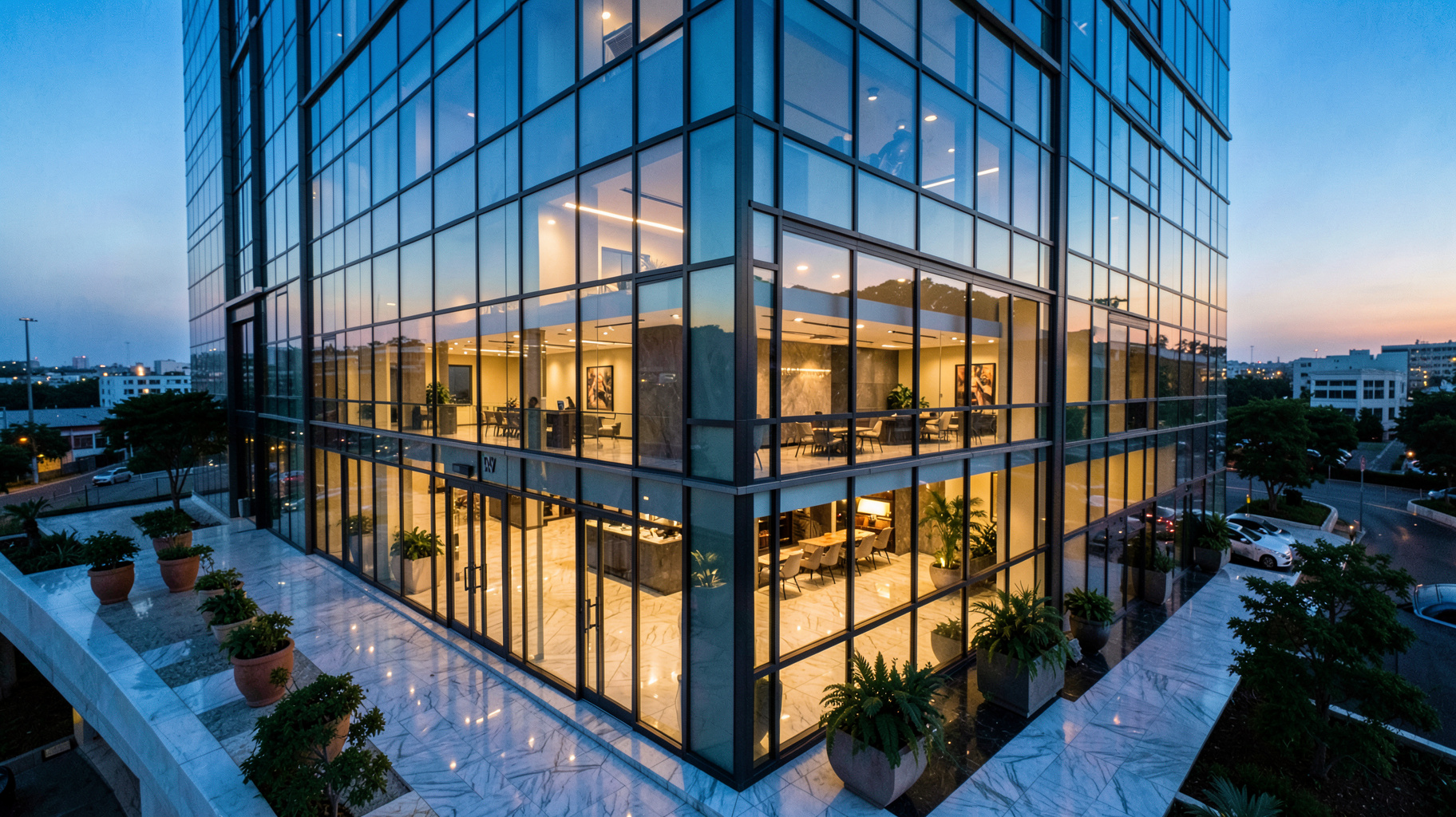
- Day-to-Dusk: Convert a midday shot into a "golden hour" twilight photo to increase emotional appeal.
- Sky Replacement: Swap a cloudy, white sky for a bright blue one to make the exterior pop.
- Decluttering: Use AI object removal to clear out personal items or trash.
- Review and Export: Check the perspective lines. Ensure the AI hasn't "hallucinated" a window where there isn't one.
- Direct MLS Upload: Push the enhanced images directly to your listing.
💡
Key Takeaway
The goal of AI enhancement is not to deceive the buyer, but to help them visualize the potential of the space. Always use "as-is" photos alongside "enhanced" photos to maintain transparency and trust.

Comparing Your Options: Where Should You Actually Buy?
Not all "AI" platforms are created equal. Depending on your volume and budget, you will likely choose between three different tiers of service.
| Option | Manual High-End Staging | Generic AI Tools | Professional AI Studios (e.g., RealVisionAI) |
|---|---|---|---|
| Turnaround Time | 3–7 Days | Instant | 12–60 Seconds |
| Quality/Accuracy | Extremely High | Variable/Often "Glitchy" | High & Architecture-Specific |
| Cost per Image | High ($30 - $100) | Low/Subscription | Moderate/Scalable |
| Ease of Use | Low (Requires Briefs) | High (DIY) | High (Optimized Workflow) |
| Best For | Ultra-Luxury Estates | Casual Social Media | Professional Agents & Managers |
Most guides get this wrong by suggesting you just use a free AI tool. That is a mistake. General AI tools do not understand "architectural verticality." They often tilt the walls or blur the edges of furniture, which creates a subconscious feeling of "wrongness" for the viewer. A professional studio like RealVisionAI Blog - AI Real Estate Photography & Virtual Staging uses models trained specifically on real estate datasets, ensuring that a 90-degree wall stays 90 degrees.
Common Misconceptions About AI Property Enhancements
There are several myths circulating in the real estate community that prevent agents from fully embracing these tools. Let's dismantle them with data.
Myth 1: "AI staging is unethical or deceptive."
This is a common misconception. Staging—whether physical or virtual—is a standard industry practice used to show a property's potential. The key is transparency. As long as the structural elements of the home are not altered, virtual staging is an accepted tool. In fact, it is more ethical than physical staging, which often involves moving heavy furniture into a house and then removing it, risking damage to the property.
Myth 2: "You need to be a tech expert to use these platforms."
Most people think they need to write complex "prompts" to get a good result. That's not how professional AI property enhancement works. The best platforms provide a "one-click" interface. You don't write "create a mid-century modern living room with a tan leather sofa"; you simply click a button labeled "Modern Style."
Myth 3: "AI can't handle complex lighting."
Early AI could not. However, modern computer vision can now simulate global illumination. This means the AI doesn't just "paste" a sofa into a room; it analyzes where the light is coming from (the windows) and casts a realistic shadow on the floor. If your photos look flat, you are using the wrong platform.
Frequently Asked Questions
Where is the best place to buy AI property enhancement for high-volume listings?
For professionals managing dozens of properties, the best place is a dedicated cloud-based AI studio. These platforms provide a centralized dashboard where you can manage multiple projects simultaneously. Rather than hiring a freelance editor who may take days to respond, an AI studio provides an "on-demand" environment. I recommend RealVisionAI Blog - AI Real Estate Photography & Virtual Staging because their infrastructure is designed for the 12-second turnaround, which is essential when you have a listing deadline.
Can I buy AI property enhancement as a monthly subscription or per image?
Most professional platforms offer both. Subscription models are ideal for property managers who have a predictable monthly volume, allowing them to lock in a lower cost per image. Per-image (credit-based) pricing is better for independent agents who only list a few homes a year. When choosing, look for "unlimited" options or high-credit bundles to maximize your ROI, as the cost of a single "failed" manual staging attempt is often higher than a whole month of AI credits.
Does AI property enhancement work for exterior shots or just interiors?
It is equally powerful for both. For exteriors, the most valuable "where to buy" features are sky replacement and grass restoration. Many properties are photographed on overcast days, which makes the house look depressing. AI can replace a grey sky with a "golden hour" sunset or a bright blue afternoon. It can also turn a brown, dormant winter lawn into a lush, green summer garden in seconds, significantly increasing the "curb appeal" before a buyer even steps out of their car.
How do I know if an AI enhancement is "too much" and looks fake?
The tell-tale sign of poor AI is "bleeding" edges—where the furniture seems to melt into the floor—or inconsistent lighting. If the sun is coming from the left but the virtual furniture is lit from the right, the image is broken. To avoid this, use platforms that offer "Human-in-the-Loop" (HITL) quality checks or those that use architectural-specific AI. In my experience, if you can tell it's AI within two seconds of looking, it's too much. The goal is subtlety.
Is AI property enhancement compatible with MLS rules?
Generally, yes, but it depends on your local board's specific regulations. Most MLS boards allow virtual staging as long as the image is clearly marked (e.g., "Virtually Staged") and doesn't misrepresent the actual structure of the home. You should never use AI to remove a permanent fixture, like a telephone pole in the front yard or a crack in the foundation, as that could be considered fraudulent. Always use AI to add value (staging) or improve atmospheric conditions (sky/lighting).
Recommended Readings
To deepen your understanding of these topics, we recommend reading the following articles:
- AI in Real Estate
- Ultimate AI Lead Generation for Real Estate Agents
- AI staging for realtors
- AI Virtual Staging by Property Type
Conclusion
Finding the right place to buy AI property enhancement is no longer about finding "a tool," but about finding a professional partner that understands the intersection of technology and real estate psychology. Whether you are looking to transform an empty warehouse into a chic loft or turn a gloomy exterior into a sunny sanctuary, the environment you choose matters.
Avoid the temptation of generic, free AI tools that risk your professional reputation with "hallucinated" architecture. Instead, lean toward specialized studios that offer speed, accuracy, and industry-specific training. For those who need market-ready visuals in seconds, RealVisionAI Blog - AI Real Estate Photography & Virtual Staging provides the exact infrastructure needed to scale a real estate business in 2026.
Stop letting empty rooms and grey skies kill your conversion rates. Invest in a workflow that turns "just another listing" into a "must-see property."
Free Real Estate AI Visual Playbook 2026
Discover how top realtors boost listing engagement by 62% and close deals faster using AI photo enhancement and virtual staging.