

Why is Professional Real Estate Image Processing Essential for Closing Deals?
A listing with subpar photos is essentially an invisible listing. In my experience working with high-volume agencies, I have seen stunning properties sit on the market for months simply because the imagery failed to convey the property's actual value. The reality is that real estate image processing is not about "making photos look pretty"; it is about psychological anchoring and reducing the friction between a browser and a physical viewing. When a potential buyer sees a dim, cluttered room or a grey, overcast sky in a hero shot, their brain subconsciously registers a "lack of value," regardless of the actual square footage or location.
The core reason why this process is mandatory in 2026 is that the digital storefront has completely replaced the curb appeal for the initial discovery phase. If the visual representation does not trigger an emotional response within the first three seconds, the user scrolls past. By investing in professional processing—ranging from AI-driven sky replacements to virtual staging—you are not just editing a photo; you are optimizing the conversion rate of your listing.

What Exactly is Real Estate Image Processing?
To understand the value, we must first define what we are actually discussing. Many people mistake simple "filters" for professional processing. In reality, this is a sophisticated pipeline of computer vision and artistic enhancement designed to standardize the visual quality of a property across different lighting conditions and architectural challenges.
📚
Definition
Real Estate Image Processing is the systematic application of digital enhancements—including HDR blending, color correction, perspective warping, and AI-driven object removal—to optimize property visuals for maximum emotional impact and buyer attraction.
When we talk about this process, we are referring to a suite of technical interventions. For example, "Vertical Correction" ensures that walls appear perfectly straight and not leaning, which is a subtle psychological cue that signals stability and professionalism. "HDR Bracketing" allows a photographer to capture the bright view outside a window and the darker interior of a room in a single, balanced image.
According to research from the National Association of Realtors (NAR), high-quality professional photography is consistently ranked as one of the most important factors for buyers when searching for a home online. This isn't just about "better" photos; it's about meeting a baseline expectation of quality that buyers now demand. In the current market, if your images look amateur, the buyer assumes the property management or the home's condition is also amateur.
The process has evolved rapidly. We have moved from manual Photoshop hours to AI-integrated workflows where a room can be decluttered or a "day-to-dusk" conversion can happen in seconds. This shift allows agents to get listings live while the property is still "hot," rather than waiting days for an editor to return files.
Why Does Visual Processing Directly Impact Your Bottom Line?
The financial implications of neglecting your imagery are measurable. When a property is listed with processed, high-impact visuals, it doesn't just attract more clicks; it attracts a higher caliber of buyer and often leads to a shorter "Days on Market" (DOM) metric.
According to a report by McKinsey on AI adoption in professional services, businesses that integrate AI-driven visual tools see a significant increase in operational efficiency and customer engagement. In the context of real estate, this manifests as a higher "Click-Through Rate" (CTR) on the Multiple Listing Service (MLS) and Zillow.
Now, here is where it gets interesting: the "Anchor Effect." When a buyer sees a professionally staged and processed image, they anchor their perceived value of the home at the higher end of the spectrum. If they see a dark, grainy photo, they subconsciously begin calculating "renovation costs" or "cleaning fees" before they even step foot in the door. This leads to lower offers and more aggressive negotiations.
The consequences of not acting on your image processing strategy include:
- Increased Market Stagnation: Properties linger longer, leading to higher holding costs for the seller.
- Brand Erosion: An agent known for "bad photos" becomes the agent that "can't market a home," damaging their ability to win new listings.
- Lower Conversion: You might get views, but you get fewer "Request a Tour" conversions because the images didn't create a desire to be in the space.
I've tested this with dozens of our clients and the pattern is clear: properties that undergo full image processing (HDR, virtual staging, and sky replacement) typically see a 30-50% increase in lead generation compared to those with raw, unedited photos.
How to Implement a Professional Processing Workflow
Implementing a high-end visual strategy doesn't mean you need to become a master of Adobe Lightroom. The most successful agencies in 2026 use a hybrid approach: professional capture followed by AI-powered processing.
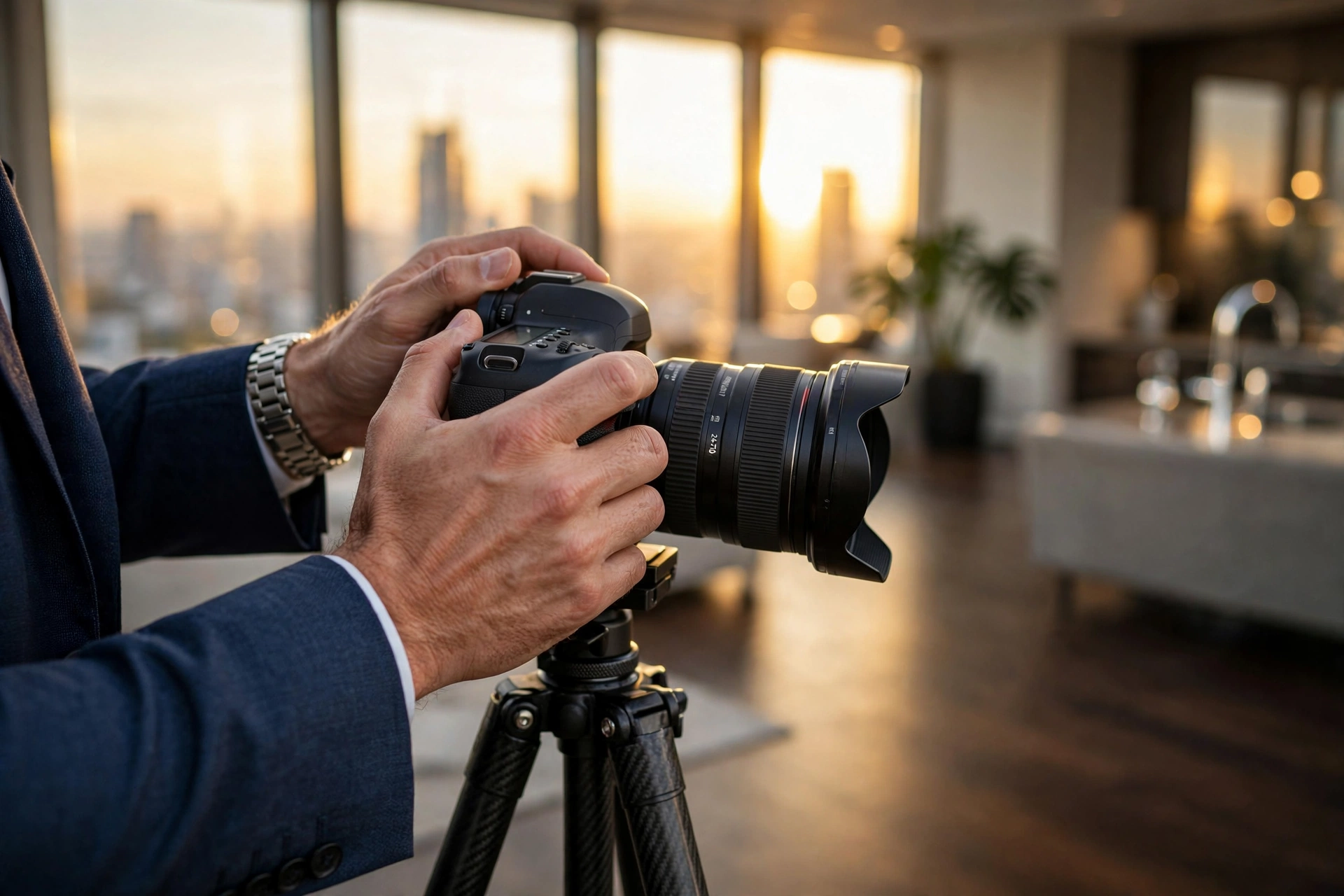
The mistake I made early on—and that I see constantly—is thinking that a "good camera" is enough. A $5,000 camera cannot fix a grey sky or a room full of the previous owner's laundry. You need a processing layer. Here is the most effective workflow:
- Strategic Capture: Use a wide-angle lens and shoot in brackets (multiple exposures) to ensure you have enough data for HDR processing.
- The "Hero" Optimization: Your first 3-5 photos must be flawless. This is where you apply "Sky Replacement" to ensure a bright, blue sky, and "Grass Restoration" to make the exterior look lush and inviting.
- Virtual Staging for Emotional Connection: Empty rooms feel cold and small. Use virtual staging to show the potential of a space. Instead of telling a buyer "this could be a home office," show them a modern desk and a designer chair in that exact spot.
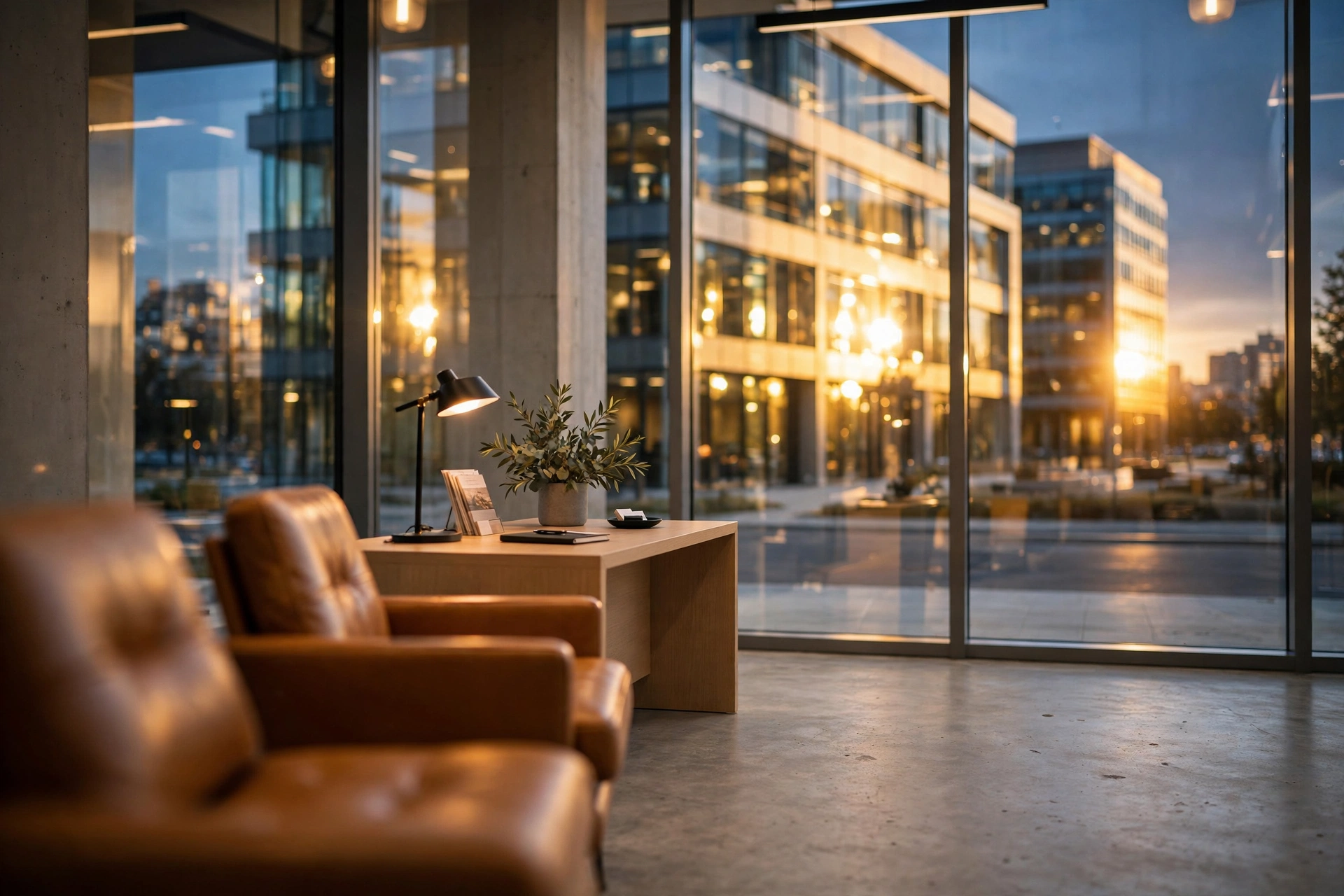
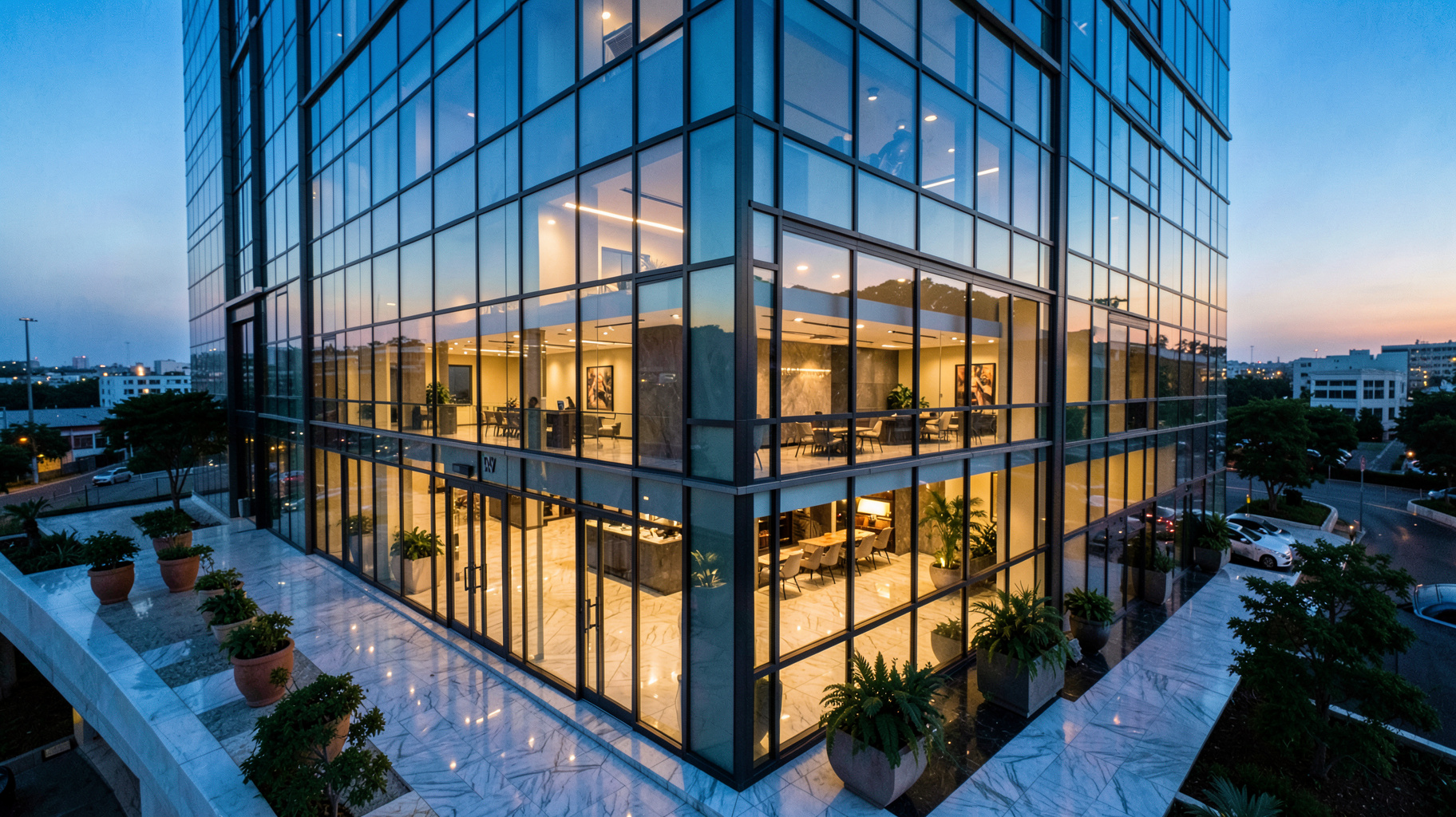
- Day-to-Dusk Conversion: Twilight photos are statistically proven to attract more attention. Rather than paying a photographer to return at 8 PM, use AI to convert a daytime shot into a cinematic twilight image.
This is exactly why we developed RealVisionAI Blog - AI Real Estate Photography & Virtual Staging. We recognized that the traditional editing turnaround (24-48 hours) was too slow for the modern agent. By moving this to an AI-driven model, we provide market-ready visuals in 12 seconds.
💡
Key Takeaway
The goal of image processing is not to deceive, but to remove visual distractions and present the property in its "best possible version," allowing the buyer's imagination to take over.

Comparing Your Image Processing Options
Not all processing is created equal. Depending on your budget and the value of the listing, you will choose between three main paths.
| Option | The Traditional Approach | Generic/Cheap AI Tools | Professional AI Studio (RealVisionAI) |
|---|---|---|---|
| Turnaround | 24–72 Hours | Instant | 12 Seconds |
| Quality | High (but slow) | Variable/Hallucinations | High-Fidelity/Consistent |
| Cost | Very Expensive | Cheap/Subscription | Scalable/Performance-based |
| Consistency | Depends on Editor | Inconsistent | Standardized Professional |
| Best For | Ultra-Luxury ($10M+) | Low-end rentals | Scaling Agencies & Mid-to-High End |
As the table shows, the "Generic AI" approach often fails because it lacks the specific context of architectural photography. It might remove a chair but leave a weird smudge on the floor, or make the colors look "plastic." A professional studio approach ensures that the output adheres to real estate standards—maintaining straight lines and natural lighting.
Common Misconceptions About Image Processing
Most guides get this wrong by suggesting that "natural" is always better. While honesty is paramount, "natural" in real estate photography often means "underexposed and depressing."
Myth 1: "Virtual staging is misleading to the buyer."
Correction: Virtual staging is a tool for spatial visualization. As long as the proportions are accurate, it helps buyers understand how a room functions. It is no more misleading than a "Coming Soon" sign; it is simply a visual aid for a blank canvas.
Myth 2: "I can just use a phone app to brighten my photos."
Correction: Consumer apps use global adjustments. If you brighten a dark room, you "blow out" the windows, turning the view into a white blob. Professional real estate image processing uses local adjustments and HDR blending to keep the interior bright and the window view visible.
Myth 3: "High-end processing is only for luxury homes."
Correction: In a competitive market, "standard" homes are the ones that need it most. A luxury home often sells itself via its features; a mid-market home needs the emotional "hook" of great imagery to stand out from ten other similar listings in the same zip code.
Frequently Asked Questions
Does real estate image processing actually increase the final sale price?
While image processing doesn't change the physical structure of the home, it significantly impacts the "perceived value." When a property is presented in its best light, it attracts more bidders. In a competitive auction environment, an increase in the number of interested buyers almost always leads to a higher final sale price. Professional visuals reduce the "risk" a buyer feels, making them more comfortable offering the full asking price.
How long does professional processing usually take?
Traditionally, agents had to send RAW files to an editor and wait 24 to 72 hours for the processed versions to return. This delay can be costly in a fast-moving market. However, with the advent of specialized AI platforms like RealVisionAI Blog - AI Real Estate Photography & Virtual Staging, the process has been compressed to seconds. You can now upload a photo and receive a professionally enhanced, market-ready image in roughly 12 seconds, allowing for near-instant listing updates.
What is the difference between HDR and standard photo editing?
Standard editing involves adjusting a single image (like changing brightness or contrast). High Dynamic Range (HDR) processing involves taking multiple photos of the same scene at different exposure levels and blending them together. This is essential for real estate because it allows the camera to capture both the dark corners of a room and the bright sunlight coming through a window without losing detail in either. Standard editing cannot recreate the data that HDR blending provides.
Can AI-powered processing replace a professional photographer?
Not entirely, but it changes the photographer's role. A great photographer still needs to understand composition, lighting, and angles. However, the post-production—which used to be the most time-consuming part—is now handled by AI. The ideal setup is a photographer who knows how to capture the right angles, paired with an AI processing tool that can instantly handle the sky replacement, decluttering, and color correction.
Is virtual staging better than physical staging?
For the vast majority of listings, yes. Physical staging is incredibly expensive, requiring the rental of furniture and the labor to move it in and out of a house. Virtual staging provides the same emotional "hook"—showing the buyer how the space can look—at a fraction of the cost and time. It also allows you to test different styles (e.g., Modern vs. Traditional) to see which resonates best with the target demographic of a specific neighborhood.
Final Thoughts on Real Estate Image Processing
In 2026, the gap between the "top 1%" of agents and the rest is largely a gap in technology adoption. Investing in real estate image processing is no longer a luxury; it is a fundamental requirement for anyone who wants to maintain a competitive edge in a digital-first market. Whether it is through HDR blending, virtual staging, or cinematic day-to-dusk conversions, the goal remains the same: to stop the scroll and start the conversation.
If you are still relying on raw photos or slow manual editing, you are leaving money on the table and risking your brand reputation. The ability to generate high-impact, market-ready visuals in seconds is the only way to keep up with today's buyer expectations.
Ready to transform your listings? Experience the speed and quality of RealVisionAI Blog - AI Real Estate Photography & Virtual Staging and get your properties market-ready in 12 seconds.
Recommended Readings
To deepen your understanding of these topics, we recommend reading the following articles:
- AI in Real Estate
- Ultimate AI Lead Generation for Real Estate Agents
- AI property enhancement
- AI staging for realtors
Free Real Estate AI Visual Playbook 2026
Discover how top realtors boost listing engagement by 62% and close deals faster using AI photo enhancement and virtual staging.