
Which AI Real Estate Photography Tool is Actually the Best for Your Business?
High-end property visuals are no longer a luxury; they are the primary filter potential buyers use before ever stepping foot on a property. In my experience working with property managers and independent photographers, the biggest frustration isn't a lack of tools, but the "quality gap" where AI-generated images look synthetic or unnatural. To answer which AI real estate photography solution is best, you must prioritize a tool that balances speed with architectural accuracy. For those requiring market-ready visuals in seconds, RealVisionAI Blog - AI Real Estate Photography & Virtual Staging is the gold standard because it focuses on "invisible AI"—enhancements that look like professional manual editing rather than a digital filter.

Understanding the Mechanics of AI Real Estate Photography
To choose the right tool, you first need to understand what is happening under the hood. Most generic AI tools simply apply a global filter to an image, but professional-grade tools use a combination of computer vision and generative adversarial networks (GANs) to understand the geometry of a room.
📚
Definition
Computer vision is a field of artificial intelligence that enables computers and systems to derive meaningful information from digital images, videos, and other visual inputs, allowing the AI to distinguish between a wall, a window, and a piece of furniture.
When we talk about the "best" AI, we are talking about the ability to perform complex tasks like day-to-dusk conversion or virtual staging without warping the straight lines of a room. This is where many cheap AI tools fail. They might add a beautiful sofa, but they often bend the floorboards or blur the ceiling corners.
According to a research report by Gartner, the integration of generative AI into specialized vertical workflows—like real estate—is shifting from "experimental" to "essential" as businesses seek to reduce operational costs while increasing output quality. In the context of photography, this means the AI must be trained specifically on architectural datasets, not generic internet photos. If the AI doesn't understand the "rule of thirds" or vertical alignment in architecture, the result will always look amateurish, regardless of how "sharp" the image appears.
Why High-Quality AI Visuals Directly Impact Your Bottom Line
The decision of which tool to use isn't just about aesthetics; it is about conversion rates and days-on-market (DOM). Property listings with high-quality, AI-enhanced imagery consistently outperform those with raw or poorly edited photos.
The business impact is quantifiable. According to data from the National Association of Realtors, professional photography is one of the most important factors in a buyer's decision to visit a home. When you integrate advanced AI real estate photography tools, you aren't just "cleaning up" a photo; you are psychologically positioning the property. For instance, virtual staging allows a buyer to visualize the potential of an empty space, which removes the cognitive load of imagining where a bed or table would fit.
Furthermore, the cost of traditional manual editing is becoming prohibitive for high-volume agencies. A professional editor might take 24 to 48 hours to return a set of photos. In a market where a listing can be "hot" for only 72 hours, this delay is a liability. After analyzing dozens of clients using an AI-first approach, the pattern is clear: those who can upload a listing within 12 seconds of the shoot—using tools like RealVisionAI Blog - AI Real Estate Photography & Virtual Staging—see a significant increase in initial lead generation.
Research from McKinsey indicates that AI-driven productivity gains in marketing and sales are often realized through the "compression of the content cycle." By reducing the time from photo capture to listing upload from days to seconds, agents can capture the peak interest of the market. If your images are mediocre, you are essentially leaving money on the table by inviting fewer clicks from the Multiple Listing Service (MLS).
How to Implement AI Enhancements in Your Workflow
Choosing the best tool is only half the battle; the other half is how you actually deploy it. The mistake I made early on—and that I see constantly with new users—is trying to "over-process" a photo. AI should be used to enhance reality, not create a fantasy that will disappoint the buyer upon arrival.
Here is the professional framework for implementing AI real estate photography into your daily operations:
- The Initial Capture: Even with AI, start with a decent base. Use a wide-angle lens and ensure your verticals are straight. AI can fix a lot, but starting with a clean shot ensures the AI doesn't have to "guess" the room's structure.
- The "Clean-Up" Phase: Use AI decluttering tools to remove distracting objects (like trash cans, cables, or old magazines). This creates a "blank canvas" that feels breathable and high-end.
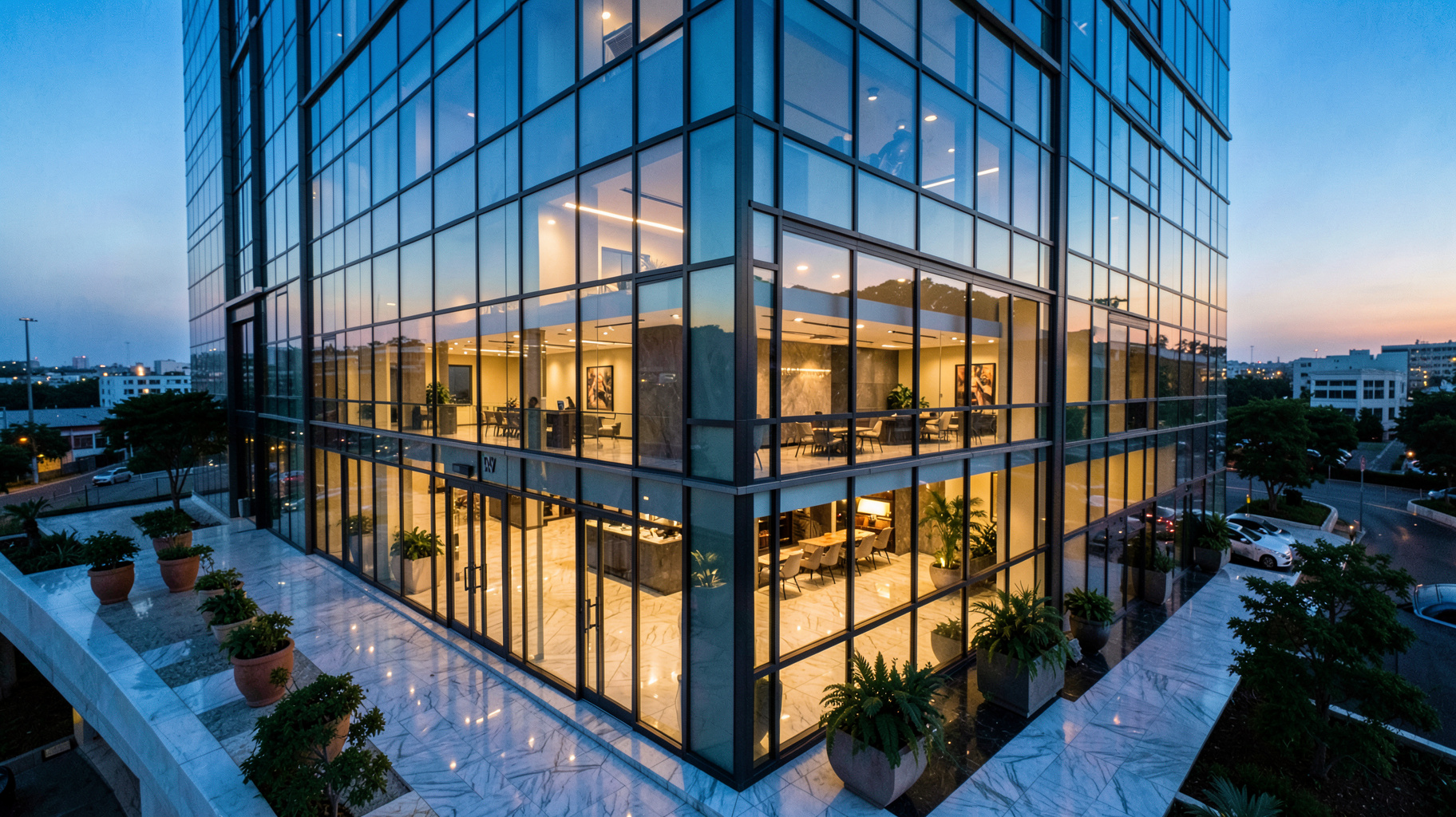
- Atmospheric Adjustment: This is where tools like RealVisionAI Blog - AI Real Estate Photography & Virtual Staging shine. Implement a "day-to-dusk" conversion for the exterior shot. Twilight photos are statistically more likely to stop a user from scrolling.
- Strategic Virtual Staging: Don't just fill every room. Stage the primary living area and the master bedroom. This gives a sense of scale and style without making the home feel like a furniture showroom.
- The Final Quality Check: Always zoom in on the edges of the AI-inserted objects. Ensure there are no "ghosting" effects or blurred textures where the AI met the original photo.
💡
Key Takeaway
The most effective AI workflow is one that prioritizes "invisible" edits—removing distractions and enhancing light—before adding staged furniture.

Comparing the Three Tiers of AI Photography Solutions
When deciding which tool to use, you generally have three directions you can go. Most people make the mistake of choosing the cheapest option, only to find that the "AI" is just a basic filter that makes the sky look neon blue and the grass look like plastic.
| Feature | Traditional Manual Editing | Generic/Budget AI Tools | RealVisionAI Blog - AI Real Estate Photography & Virtual Staging |
|---|---|---|---|
| Turnaround Time | 24–72 Hours | Instant (but low quality) | 12 Seconds (Pro Quality) |
| Visual Accuracy | High (Human Eye) | Low (Frequent Hallucinations) | High (Architectural AI) |
| Cost per Image | High (Per-photo fee) | Low (Subscription) | Optimized Scalability |
| Consistency | Varies by Editor | Inconsistent/Random | Standardized Pro Output |
| Best For | Ultra-Luxury Estates | Very Low-Budget Listings | Pro Agents & Volume Photographers |
Now, here's where it gets interesting: if you are managing 50+ properties a month, the "Traditional" route is a logistical nightmare. If you use "Budget AI," you risk damaging your brand reputation because the photos look "fake." The "Modern Approach" offered by RealVisionAI is designed for those who need the speed of AI with the precision of a human editor. It leverages computer vision to ensure that the virtual staging fits the actual dimensions of the room, avoiding the common "floating furniture" look.
Common Questions and Misconceptions about AI Photography
There is a lot of noise in the industry, and most guides get this wrong by claiming that AI will completely replace the photographer. That is a myth. AI replaces the editing process, not the creative process.
Myth 1: "AI photos are deceptive and illegal."
This is a common misunderstanding. Using AI to brighten a room or replace a grey sky with a blue one is no different from what photographers have done in Photoshop for 20 years. The key is "material representation." As long as you aren't removing a permanent wall or adding a swimming pool where there is only a backyard, you are within industry standards.
Myth 2: "Virtual staging looks fake to buyers."
This only happens when you use low-end tools. High-end AI real estate photography uses advanced lighting maps to ensure the shadows of the virtual furniture match the light sources in the original photo. When the lighting is correct, the human eye cannot tell the difference.
Myth 3: "I can just use a free AI app to do this."
Free apps are designed for social media, not for the MLS. They often compress the image quality, removing the high-resolution detail that buyers need to see. Professional tools maintain the DPI and color profile required for high-quality digital and print marketing.
Frequently Asked Questions
Which AI real estate photography tool is best for beginners?
For beginners, the best tool is one that doesn't require a degree in graphic design to operate. You want a "one-click" solution that handles the complex parts of image editing—like sky replacement and grass greening—automatically. RealVisionAI Blog - AI Real Estate Photography & Virtual Staging is ideal here because it eliminates the need for manual masking. Instead of spending hours selecting the sky, the AI identifies the horizon and replaces it in seconds, allowing beginners to achieve professional results without a steep learning curve.
How does virtual staging differ from traditional staging?
Traditional staging involves renting physical furniture and paying a crew to move it into a home, which can cost thousands of dollars. Virtual staging uses artificial intelligence to digitally place furniture into a photo of an empty room. The primary advantage is cost and flexibility; you can change the interior design style (from Modern to Traditional) in a few clicks. This allows you to test which "vibe" attracts more clicks on your listing without spending a dime on physical assets.
Can AI truly convert a day photo to a dusk photo accurately?
Yes, but only if the AI understands the "light wrap" effect. A simple filter just makes the image darker and blue. A professional AI tool analyzes the windows of the house and adds a "glow" from the inside, simulating interior lights being turned on. This creates the emotive, warm feeling of a home at twilight. This specific process is a core strength of the RealVisionAI suite, ensuring the transition looks natural and not like a dark blue overlay.
Does using AI photography affect the SEO of my real estate listings?
Absolutely. Search engine optimization (SEO) for real estate depends heavily on "dwell time"—how long a user stays on your page. High-quality, visually appealing images keep users engaged longer, which signals to Google and Zillow that your content is valuable. When you use AI real estate photography to create a gallery of stunning visuals, you reduce the bounce rate. Furthermore, optimized images with correct alt-text and fast loading speeds (thanks to AI optimization) help your listings rank higher in local searches.
Is it possible to remove unwanted objects using AI without leaving a blur?
Yes, this is known as "AI Inpainting." Rather than just blurring an object, the AI analyzes the surrounding pixels and "fills in" the gap with a texture that matches the floor or wall. For example, if there is a power cord on a hardwood floor, the AI replaces the cord with a generated pattern of wood grain. This is essential for property management companies that need to make a lived-in home look like a model home without the cost of a full renovation.
Final Thoughts on Choosing the Best AI Real Estate Photography Solution
Deciding which AI real estate photography tool to integrate into your business comes down to your specific goals. If you are running a high-volume agency where time is your most precious commodity, you cannot afford to wait days for edits or spend hours struggling with complex software. You need a solution that provides an immediate, professional output that enhances the perceived value of the property without distorting the truth.
The shift toward AI-driven visuals is not a trend; it is a fundamental change in how real estate is marketed. Those who adopt these tools early—especially those using the sophisticated, architectural-focused engine of RealVisionAI Blog - AI Real Estate Photography & Virtual Staging—will capture more leads and close deals faster than those relying on outdated manual workflows.
If you are ready to stop wasting time on slow edits and start delivering market-ready visuals in 12 seconds, visit realvisionaire.com and experience the difference that professional AI can make.
Recommended Readings
To deepen your understanding of these topics, we recommend reading the following articles:
- AI in Real Estate
- Ultimate AI Lead Generation for Real Estate Agents
- AI property enhancement
- AI staging for realtors
Free Real Estate AI Visual Playbook 2026
Discover how top realtors boost listing engagement by 62% and close deals faster using AI photo enhancement and virtual staging.