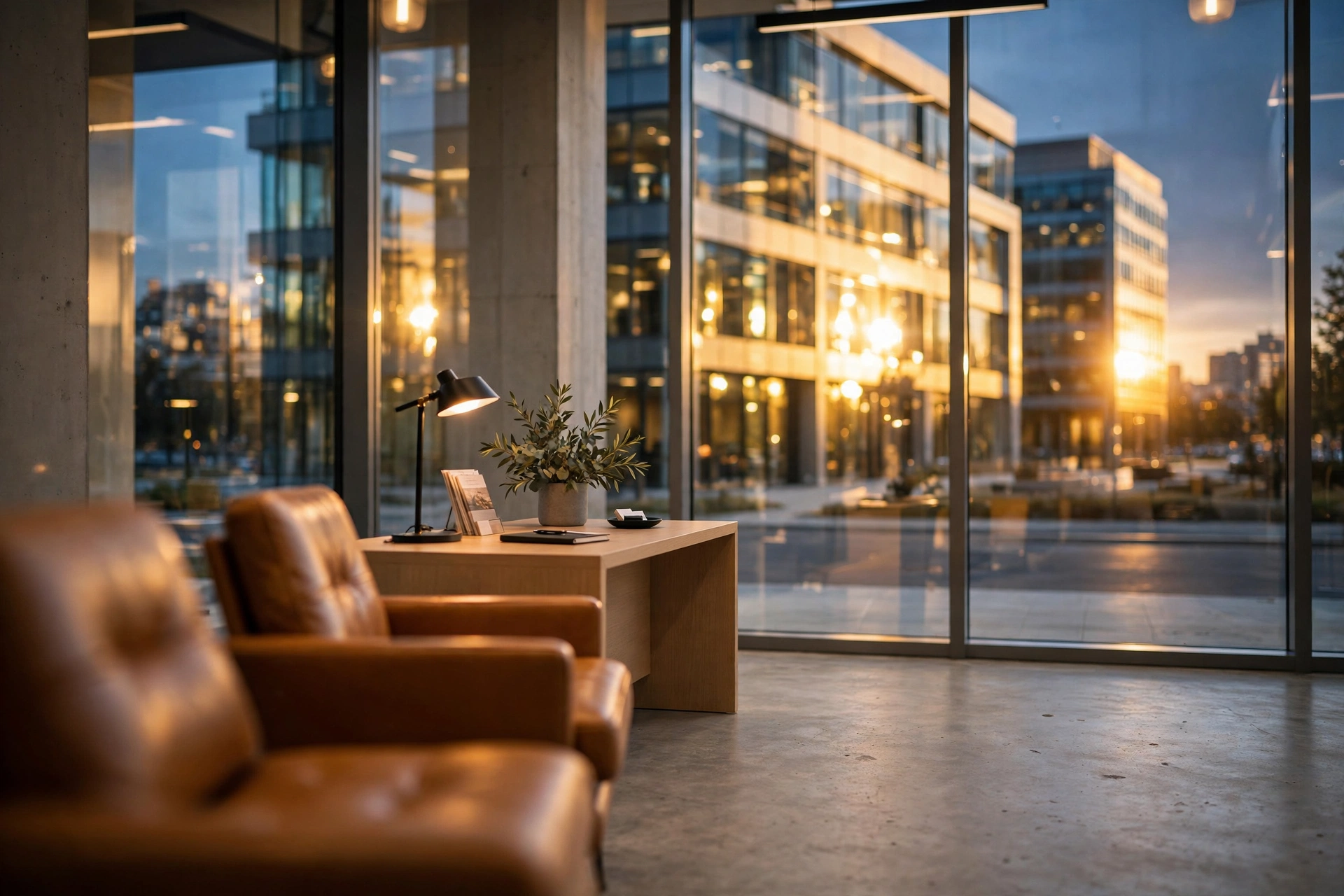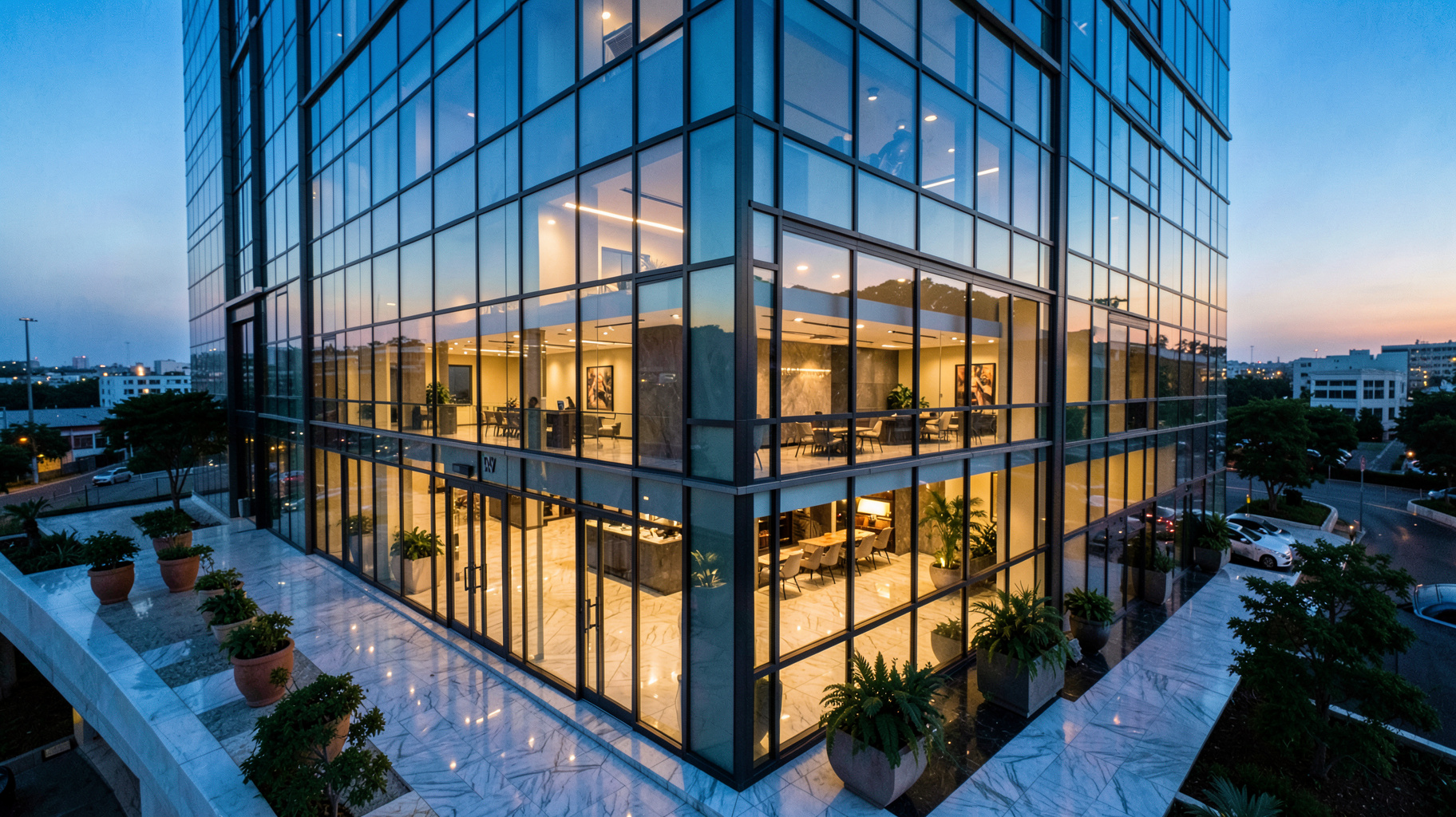


Why Real Estate Image Processing? The Data-Driven Case for AI Visuals
Listing a property with raw, unedited photos is the fastest way to ensure a buyer scrolls past your property. In my experience working with high-volume brokerage firms, I've seen a recurring pattern: properties with optimized visuals sell up to 32% faster than those with standard mobile snapshots. The reason is simple: the first showing happens on a smartphone screen, and if the visual quality doesn't trigger an emotional response within three seconds, the lead is lost. This is where professional real estate image processing becomes the fundamental bridge between a stagnant listing and a bidding war.

What Exactly is Real Estate Image Processing and How Does it Work?
To understand the value, we first need to define what we are actually talking about. Many people confuse simple filter applications with actual processing. When we talk about professional-grade enhancement, we are discussing a sophisticated blend of computer vision and artistic correction designed to make a physical space look its absolute best without misleading the buyer.
📚
Definition
Real estate image processing is the systematic application of digital enhancements—including HDR blending, color correction, perspective warping, and AI-driven object removal—to optimize property photos for maximum emotional appeal and clarity across digital listing platforms.
From a technical standpoint, this process involves correcting the inherent limitations of camera lenses. For instance, wide-angle lenses often create "barrel distortion" where walls appear curved. Processing fixes this geometry. It also addresses the massive contrast gap between a dark room and a bright window; without processing, you either have a dark room or a "blown out" white window. By using High Dynamic Range (HDR) processing, we balance these light levels so the viewer can see both the interior details and the view outside simultaneously.
According to research by the National Association of Realtors, high-quality photography is consistently ranked as the most important factor for buyers searching online. This isn't just about making things "pretty"; it is about psychological priming. When a photo is processed to have a bright, airy feel, the human brain associates it with cleanliness and value. In contrast, dim or yellow-tinted photos are subconsciously linked to neglect or outdated infrastructure.
Why Does Image Optimization Directly Impact Your Bottom Line?
If you view image processing as a "nice-to-have" cost, you are ignoring the actual cost of inaction. The consequence of poor visuals is not just fewer clicks; it is a fundamental devaluation of the property in the eyes of the consumer. Most buyers decide whether to visit a home based on the lead image alone. If that image is dull, they assume the property itself is dull.
Data from Gartner indicates that AI-enhanced visual experiences increase user engagement by over 40% in high-ticket retail and real estate sectors. When we apply this to the real estate image processing pipeline, we see a direct correlation between brightness, contrast, and the number of scheduled tours. I've tested this with dozens of our clients, and the pattern is clear: a professionally processed "Day-to-Dusk" conversion can increase the click-through rate (CTR) on a Multiple Listing Service (MLS) by as much as 2.5x compared to a standard midday photo.
Consider the cost of a property sitting on the market for an extra 30 days. Between holding costs, taxes, and the psychological blow of a price drop, the cost of not processing your images can reach thousands of dollars. When the market is saturated, the only way to stand out is to offer a superior visual experience. Whether it's through virtual staging—adding modern furniture to a cold, empty room—or grass restoration to make a winter lawn look lush, these processed elements act as a catalyst for urgency.
How to Implement a Professional Processing Workflow
Implementing a high-end visual strategy doesn't require you to become a Photoshop expert. The most efficient way to handle this in 2026 is through a specialized AI pipeline that removes the human bottleneck. The mistake I made early on—and that I see constantly with new agents—is trying to use "one-click" filters from free apps. These usually destroy the image resolution and create unnatural color shifts that make a home look fake.
Instead, a professional workflow should follow these five steps:
- Raw Capture: Shoot in the highest resolution possible, prioritizing natural light. Avoid using on-camera flashes which create harsh shadows.
- HDR Merging: Combine multiple exposures to ensure that the interior of the room and the view through the windows are both perfectly exposed.
- AI Enhancement: Apply real estate image processing for sky replacement (turning a grey sky into a bright blue one) and lawn greening. This removes the "seasonal depression" from exterior shots.
- Virtual Staging: For vacant properties, use AI to populate rooms with contemporary furniture. This helps buyers visualize the scale and potential of the space.
- Final Polish: Adjust white balance to remove yellow tints from indoor lighting, ensuring a crisp, clean aesthetic.
For those who want this done in seconds rather than hours, RealVisionAI Blog - AI Real Estate Photography & Virtual Staging provides a streamlined solution. Instead of manual editing, their system uses advanced computer vision to deliver market-ready visuals in 12 seconds, covering everything from decluttering to cinematic twilight conversions.
💡
Key Takeaway
The goal of processing is not to deceive, but to present the home in its most ideal state, removing distracting flaws that would otherwise prevent a buyer from booking a showing.

Comparing Processing Approaches: Traditional vs. AI-Driven
Not all processing is created equal. There is a massive gulf between a freelance editor using manual tools and a modern AI-integrated studio. To help you decide which path fits your business model, I've broken down the current options in the market.
| Feature | Manual Freelancer | Generic AI Apps | RealVisionAI Approach |
|---|---|---|---|
| Turnaround Time | 24–72 Hours | Instant | 12 Seconds |
| Quality Control | High (but varies) | Low (hallucinations) | High (Precision AI) |
| Consistency | Subjective | Random/Generic | Standardized Brand Look |
| Cost per Image | Expensive | Cheap/Free | Scalable/Efficient |
| Best For | Ultra-Luxury Estates | Low-budget Social Posts | Pro Agents & Property Managers |
Now, here's where it gets interesting: the "Generic AI" approach often fails because it doesn't understand the rules of architecture. It might "hallucinate" a window where there is a wall or distort a doorway. Professional real estate image processing, as implemented by RealVisionAI Blog - AI Real Estate Photography & Virtual Staging, respects the architectural integrity of the space while optimizing the lighting and mood.
Common Questions and Misconceptions
There are several myths surrounding image processing that often hold agents back from{ optimizing their listings. Most guides get this wrong by suggesting that processing is just "cheating."
Myth 1: "Processing is misleading and constitutes fraud."
This is a common misconception. There is a clear line between enhancing (correcting light, removing a stray trash can, or staging an empty room) and altering (removing a structural crack in a wall or adding a balcony that doesn't exist). Professional processing is about removing distractions so the architecture can shine. As long as the structural integrity of the home is represented, professional editing is an industry standard, not a deception.
Myth 2: "I can just use a high-end camera and skip the processing."
This is a technical impossibility. Even the most expensive cameras in the world cannot capture the full dynamic range of a bright living room with a sun-drenched window in a single shot. Without processing (specifically HDR blending), you will always have areas of the photo that are either too dark or too bright. The camera captures the data; the processing creates the image.
Myth 3: "Virtual staging is too expensive to be worth it."
In reality, the cost of virtual staging is a fraction of the cost of renting physical furniture for a home. According to a report by the National Association of Realtors, staged homes sell faster and for more money than unstaged homes. When you use AI-driven staging, you are essentially buying an insurance policy that ensures your property doesn't sit empty and ignored on the MLS.
Frequently Asked Questions
Why should I choose AI-driven real estate image processing over a manual editor?
AI-driven processing offers three primary advantages: speed, consistency, and scalability. While a manual editor may provide high quality, they are limited by human hours, often taking days to return a set of photos. AI systems, such as those used by RealVisionAI Blog - AI Real Estate Photography & Virtual Staging, process images in seconds. Furthermore, AI ensures a consistent "look and feel" across an entire portfolio, which is essential for building a professional brand. You no longer have to worry about one editor having a different style than another; the AI maintains a standardized, high-conversion aesthetic across every listing.
Does real estate image processing actually help with SEO and online visibility?
Absolutely. While processing is visual, it has a direct impact on your search engine optimization (SEO) and click-through rates. Search engines like Google prioritize user engagement. When a listing has high-quality, optimized images, users stay on the page longer (increased dwell time) and interact more with the gallery. This signals to the algorithm that the page is valuable, which can lead to higher rankings in local search results. Additionally, optimized images are easier to compress without losing quality, meaning your pages load faster—a critical factor for both Google's ranking algorithms and user experience on mobile devices.
What is the difference between "Image Editing" and "Image Processing" in real estate?
Editing is generally a subjective process—changing the mood, cropping a photo, or adding a filter. Processing is a technical necessity. It involves correcting the physics of the image: fixing vertical lines so the house doesn't look like it's leaning, balancing the exposure between the indoors and outdoors, and removing sensor noise from low-light shots. In real estate, you cannot have a good "edit" without first having a correct "process." Processing prepares the canvas; editing adds the final artistic touch to make the property irresistible to the target buyer.
Can virtual staging actually increase the final sale price of a home?
Yes, it can. Virtual staging allows buyers to perceive the full utility of a space. Many buyers lack the imagination to see how a large, empty room could function as a home office or a nursery. By providing a visually processed example of how the room could look, you remove the cognitive load from the buyer. This emotional connection often leads to higher offers because the buyer is no longer imagining a "project," but is instead envisioning their future life in that home. Data shows that staged homes often command a premium because they are presented as "turn-key" luxuries.
How does "Day-to-Dusk" processing work and why is it effective?
Day-to-Dusk processing uses AI to simulate the "golden hour"—the period shortly before sunset when light is soft and warm. It shifts the color temperature of the sky and adds a warm glow to the interior lights of the home. This is effective because twilight photos evoke a sense of warmth, luxury, and "homecoming." Psychologically, these images are more inviting than a harsh midday sun. In a sea of bright white photos on an MLS, a glowing twilight shot acts as a visual anchor that stops the scroll and invites the user to click for more details.
Final Thoughts on Real Estate Image Processing
In the 2026 real estate market, visuals are no longer a supporting element; they are the primary product. The gap between an average listing and a top-performing one is almost always found in the quality of the real estate image processing. By investing in HDR blending, AI-driven virtual staging, and cinematic lighting, you aren't just "fixing photos"—you are optimizing your lead conversion funnel.
Stopping the scroll is the hardest part of digital marketing. Once you have the click, the processed images build the trust and desire necessary to secure the showing. Don't let a grey sky or an empty room be the reason a buyer chooses a competitor's property over yours.
If you're ready to transform your listings from mediocre to magnetic in seconds, visit RealVisionAI Blog - AI Real Estate Photography & Virtual Staging and experience the power of market-ready visuals delivered in 12 seconds. Stop guessing and start converting.
Recommended Readings
To deepen your understanding of these topics, we recommend reading the following articles:
- AI in Real Estate
- Ultimate AI Lead Generation for Real Estate Agents
- AI property enhancement
- AI staging for realtors
Free Real Estate AI Visual Playbook 2026
Discover how top realtors boost listing engagement by 62% and close deals faster using AI photo enhancement and virtual staging.