

How to Master AI Real Estate Photography for Maximum Listing Conversions
The difference between a listing that sits on the market for 60 days and one that triggers a bidding war in 48 hours usually comes down to the first three images. In my experience working with high-volume agencies, the most common failure isn't the quality of the house, but the "visual friction" created by grey skies, cluttered rooms, and poor lighting. To solve this, professionals are shifting toward AI real estate photography, a process that uses computer vision and generative filling to transform raw, often mediocre shots into high-conversion assets in seconds.
To implement this effectively, you don't need to be a prompt engineer. You need a workflow that prioritizes three specific pillars: automated lighting correction, strategic virtual staging, and atmospheric enhancement (like day-to-dusk conversion). By integrating these AI-driven steps, you move from simply "documenting" a property to "marketing" a lifestyle.

What Exactly is AI Real Estate Photography and How Does it Work?
At its core, this technology isn't about "faking" a property, but about removing the environmental variables that distract a buyer. When we talk about AI-driven imagery, we are referring to the application of deep learning models—specifically Convolutional Neural Networks (CNNs) and Diffusion Models—to analyze the geometry of a room and the luminosity of a scene.
📚
Definition
AI Real Estate Photography is the use of artificial intelligence and computer vision to automate the enhancement, staging, and atmospheric correction of property images, ensuring they meet professional architectural standards without requiring manual, frame-by-frame editing.
The process typically begins with "image segmentation," where the AI identifies which parts of the photo are the sky, the grass, the walls, or the furniture. Once the scene is segmented, the AI applies specific transforms. For example, a "Sky Replacement" doesn't just paste a blue image over a grey one; it calculates the light spill and reflection on the ground to ensure the new sun position looks natural.
According to research by Gartner on the evolution of generative AI, the transition from manual editing to "intent-based" editing allows professionals to focus on the creative direction rather than the technical execution. In the context of real estate, this means you stop spending four hours in Photoshop removing a trash can from a backyard and instead use a "decluttering" AI tool to do it in 12 seconds.
The mistake I made early on—and that I see constantly with new adopters—is over-processing. There is a thin line between a "market-ready" photo and a "cartoonish" one. The goal of AI is to enhance reality, not replace it. If the AI adds a swimming pool where there is only a lawn, you aren't marketing; you're misrepresenting. The power of the tool lies in its ability to fix lighting and add furniture (virtual staging), not to alter the structural integrity of the home.
Why Does AI Integration Matter for Modern Property Marketing?
The psychological impact of imagery on a prospective buyer is immediate and subconscious. High-quality visuals reduce the "perceived risk" of a property. When a buyer sees a bright, airy room with modern furniture, they aren't just seeing a house; they are projecting their own life into that space.
Data from the National Association of Realtors (NAR) consistently indicates that the quality of photos is one of the most important factors for buyers searching online. When images are subpar, buyers mentally "discount" the value of the home before they even step inside. By using AI to standardize quality, you eliminate this subconscious bias.
Furthermore, the business impact is seen in the "Time on Market" (TOM) metric. According to McKinsey's analysis of AI adoption in service industries, companies that integrate AI into their operational workflows see a significant increase in productivity and a reduction in overhead costs. In real estate, this translates to spending less on expensive physical staging furniture—which can cost thousands of dollars per month—and instead using virtual staging to test different styles (Minimalist, Industrial, Traditional) to see which resonates most with the local demographic.
The risk of ignoring this shift is "digital invisibility." In a crowded Multiple Listing Service (MLS), the human eye skips over images that look flat or dated. If your competitor's listing has a stunning "Golden Hour" twilight shot created via AI day-to-dusk conversion and yours is a midday photo taken under a cloudy sky, the buyer will click their listing first. Every single time.
Practical Application: Step-by-Step Workflow for AI Enhancements
Implementing a professional AI workflow requires a shift from "shooting and hoping" to "capturing and refining." Here is the exact sequence I recommend for achieving a market-ready look.
Step 1: The Base Capture
Even with AI, you need a decent foundation. Use a wide-angle lens and a tripod. Ensure your vertical lines are straight. While AI can fix a tilted wall, starting with a straight shot prevents the "fisheye" distortion that often occurs during automated correction.
Step 2: Atmospheric Correction (The "First Impression" Fix)
Start with the exterior. Use an AI sky replacement tool to swap overcast skies for a clear blue or a soft sunset. Then, apply "Grass Restoration." AI can identify brown or patchy lawns and apply a natural green hue that looks lush without looking like neon paint.
Step 3: Interior Decluttering and Object Removal
This is where the "HOW" becomes most practical. Identify distracting elements: a stray laundry basket, a cluttered countertop, or an old car in the driveway. Use an AI-powered "Object Removal" or "Magic Eraser" tool. The AI analyzes the surrounding pixels to fill in the gap, maintaining the texture of the floor or wall.
Step 4: Virtual Staging for Emotional Connection
Empty rooms feel smaller and colder than furnished ones. Instead of renting furniture, use a virtual staging tool.
- Analyze the room's purpose: Is it a nursery or a home office?
- Select a style: Modern for urban condos, Traditional for suburban family homes.
- Placement: Ensure the AI places the furniture with correct perspective and shadows.
For those who need this process streamlined, RealVisionAI Blog - AI Real Estate Photography & Virtual Staging provides a comprehensive ecosystem that handles these steps in roughly 12 seconds. Instead of jumping between four different apps, you have a centralized studio designed specifically for the real estate vertical.
💡
Key Takeaway
The goal of an AI workflow is to remove "visual noise." By eliminating clutter and adding strategic furniture, you stop selling a structure and start selling a vision.

Comparing the Approaches: Manual vs. Generic AI vs. Professional AI
Many agents wonder if they can just use a free mobile app or stick to their old editor. The reality is that the "middle ground" (generic AI) often produces the worst results because it lacks the specific training data for architectural photography.
| Feature | Traditional Manual Editing | Generic/Cheap AI Tools | Professional AI (RealVisionAI) |
|---|---|---|---|
| Turnaround Time | Hours to Days | Seconds | 12-30 Seconds |
| Visual Quality | High (but slow) | Low (often "plasticky") | High (Architectural Grade) |
| Consistency | Variable by editor | Random/Inconsistent | Standardized across listings |
| Cost | High (Hourly rates) | Low/Subscription | Optimized ROI |
| Best For | Ultra-luxury estates | Social media teasers | High-volume professional listings |
The "Generic AI" approach often suffers from "hallucinations"—where the AI might add an extra leg to a table or blend a wall into a ceiling. A professional-grade AI system is trained specifically on real estate datasets, meaning it understands the difference between a kitchen island and a dining table, ensuring the perspective remains anatomically correct.
Common Questions and Misconceptions
There is a lot of noise regarding AI in the property market. Most guides get this wrong by claiming AI replaces the photographer. It doesn't. It replaces the tedium of the editor.
Myth 1: "AI photos are deceptive and unethical."
The industry standard is simple: do not change the permanent features of the home. Adding a virtual sofa is no different from a physical stager bringing in a couch. As long as you are not removing a giant crack in the wall or adding a bedroom that doesn't exist, you are simply presenting the property in its best light.
Myth 2: "I can just use a generic AI image generator to create my listings."
This is a recipe for disaster. Generative AI (like Midjourney) creates images from scratch. Real estate requires transformative AI—tools that take an existing photo and enhance it. If you use a generated image, you are committing fraud. You must use tools that edit the actual property.
Myth 3: "AI editing takes away the 'soul' of the home."
Actually, the opposite is true. By removing the distractions (the clutter, the bad lighting), you allow the architectural "soul" of the home to shine. A clean, bright image allows the buyer to imagine their soul in the space, rather than focusing on the current owner's messy living room.
Frequently Asked Questions
How does AI real estate photography improve the click-through rate (CTR) on MLS?
AI enhances the "hero image"—the first photo a buyer sees. By using AI to create a "Golden Hour" effect or a perfectly staged living room, you trigger a positive emotional response within milliseconds. Higher quality images correlate directly with more clicks, as buyers are naturally drawn to brightness, symmetry, and modern aesthetics. When the first image looks professional, buyers assume the property itself is well-maintained, leading to a higher volume of showing requests.
Can virtual staging actually replace physical staging in terms of conversion?
In most cases, yes. While physical staging is excellent for open houses, virtual staging is far more effective for the initial discovery phase. It allows you to offer multiple "looks" for the same room. For instance, you can show a spare bedroom as both a home office and a guest room, appealing to two different buyer personas simultaneously. This flexibility increases the pool of interested buyers far more than a single set of physical furniture ever could.
What is the best way to handle "Day-to-Dusk" conversions with AI?
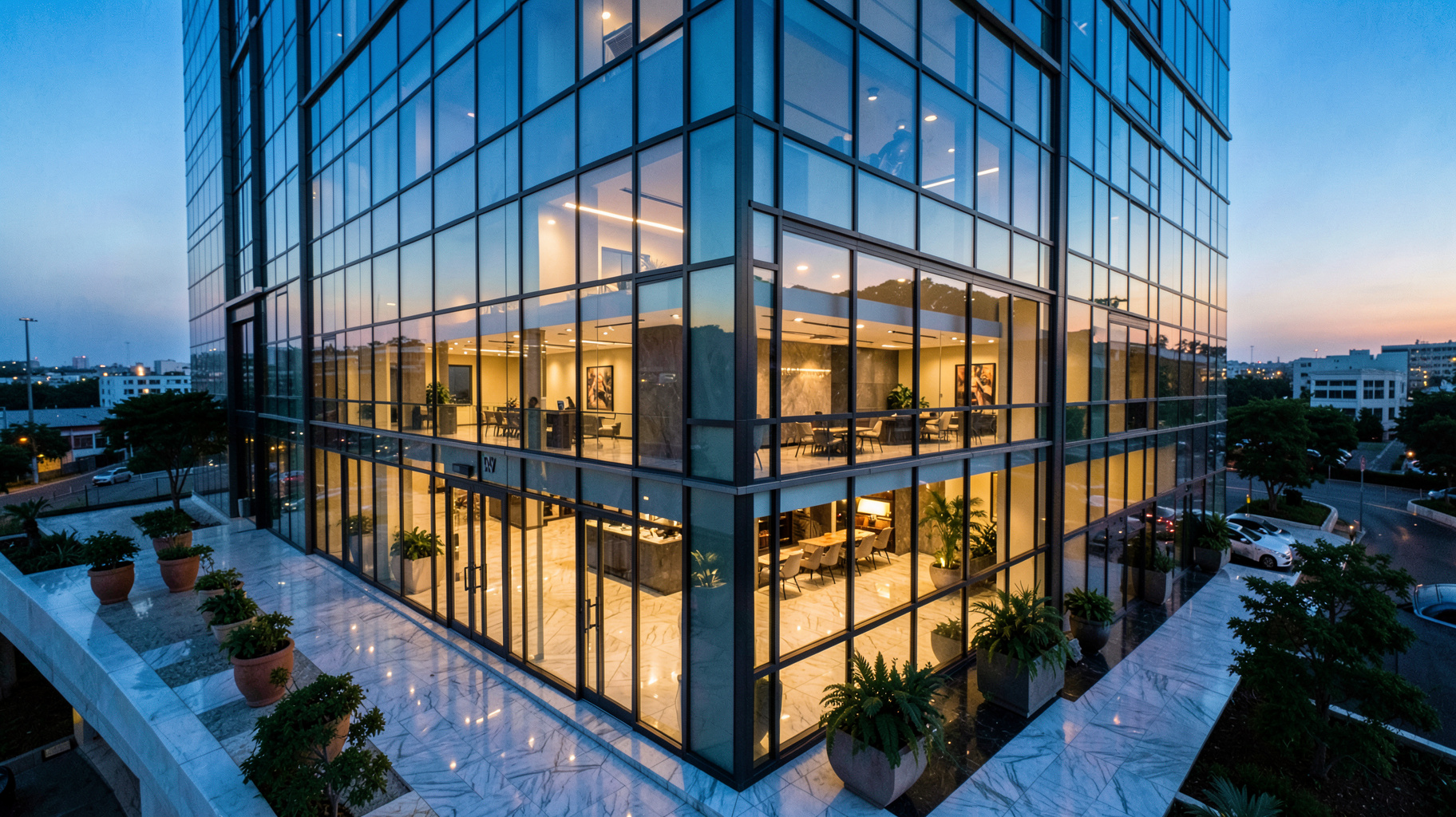
The key is to ensure the AI doesn't just darken the image, but actually simulates the lighting of a sunset. A professional AI tool will add a warm glow to the interior windows and a deep indigo to the sky, creating a high-contrast, "cinematic" look. This is the most powerful way to make a property feel prestigious. I recommend applying this specifically to the main exterior shot, as it is the most effective way to stop a user from scrolling.
How do I avoid the "AI Look" where images look too perfect or fake?
The secret is in the "intensity" settings. Avoid pushing saturation and contrast to 100%. Instead, focus on "natural enhancement." Ensure that shadows remain present; a photo with zero shadows looks like a 3D render and feels untrustworthy. The best AI edits are the ones where the viewer doesn't realize AI was used at all. Focus on correcting colors and removing distractions rather than fundamentally altering the scene.
Is AI photography compatible with all types of property management?
Absolutely. Whether you are managing a portfolio of low-income rentals or high-end luxury condos, AI allows you to create a consistent brand image. For property managers, the biggest value is scalability. Instead of hiring a different photographer for every single unit, you can use a standardized AI workflow to ensure every listing in your portfolio meets the same professional threshold, regardless of the property's current condition.
Final Thoughts on AI Real Estate Photography
The transition to AI real estate photography is not a trend; it is a fundamental shift in how property is marketed in 2026. We have moved past the era where a simple camera was enough. Today, the "image" is a data-driven asset designed to trigger a specific psychological response in the buyer. By automating the tedious parts of editing—sky replacement, decluttering, and staging—you reclaim your time and increase your conversion rates.
If you are tired of waiting days for edited photos or struggling with complex software, the solution is to move toward a specialized AI studio. RealVisionAI Blog - AI Real Estate Photography & Virtual Staging allows you to achieve these professional results in seconds, ensuring your listings are always market-ready.
Stop letting poor lighting and empty rooms kill your deals. Visit realvisionaire.com and transform your visual strategy today.
Recommended Readings
To deepen your understanding of these topics, we recommend reading the following articles:
- AI in Real Estate
- Ultimate AI Lead Generation for Real Estate Agents
- AI property enhancement
- AI staging for realtors
Free Real Estate AI Visual Playbook 2026
Discover how top realtors boost listing engagement by 62% and close deals faster using AI photo enhancement and virtual staging.